Views: 0 Author: Site Editor Publish Time: 2025-08-21 Origin: Site


The latest trends in manhole cover gratings for 2025 highlight a shift toward better materials and smart technology. Cities and companies now prefer carbon fiber composites because they are strong, rust-resistant, and environmentally friendly. The global market for manhole covers was about USD 6.61 billion in 2024, and experts believe it will continue growing as urban populations increase. Innovative ideas like IoT-enabled sensors and real-time monitoring improve safety and efficiency. These latest trends indicate that manhole covers will soon feature new designs that perform better, prevent theft, and support environmental sustainability.
Smart manhole covers have sensors and live monitoring. These help keep people safe. They also help city workers fix things fast.
New materials like composite, ductile iron, and fiber-reinforced polymers are used. These make covers stronger and lighter. They last longer and do not rust easily. They are also harder to steal.
Safety features include anti-slip surfaces and locks that cannot be tampered with. These keep people safe. They also stop people from getting in without permission.
Eco-friendly designs use recycled materials and collect energy. This helps lower pollution. It also saves energy.
Custom manhole covers help show off city brands and design. They make streets safer and look better. They also help cities become smarter as they grow.
Manhole grating technology is getting smarter. Cities use IoT-enabled sensors in manhole covers. These sensors help cities become smarter and safer. They watch underground utilities and keep workers and people safe.
Many new gratings have special holes for sensors. These sensors can check for gases, water flow, and if the cover is still strong. New molding methods let sensors fit right into the cover. This makes the grating stronger and helps it last longer.
The most used sensors in smart manhole covers are:
Light sensation sensors check if the cover is open or closed.
Vibration sensors find out if someone tries to steal or move the cover.
Position sensors watch if the lock is on or off.
Gas sensors look for dangerous gases like methane and carbon monoxide.
Temperature sensors check if it gets too hot or cold inside.
Ultrasonic sensors measure water levels to find blockages.
Smart manhole grating systems use these sensors to send alerts right away to city workers. This helps stop accidents and keeps the city working well.
| Sensor Type | Model | Function |
|---|---|---|
| Light Sensation Sensor | GL5506 | Checks if the cover is open or closed by sensing light. |
| Vibration Sensor | SW-18010P | Finds tampering or break-ins by feeling strange shakes. |
| Position Sensor | OKD-GPS01 | Watches the lock by measuring space between lock parts. |
These new technologies help cities follow safety and environmental rules. They also make grating systems easier to use and more dependable.
Real-time monitoring is a big trend for manhole gratings in 2025. Smart covers now use wireless signals and cloud computers to send updates about the manhole. This includes temperature, humidity, water, and gas information.
City workers can see this data on one main screen. They know when a cover is unlocked or if there is trouble inside. This helps them act fast in emergencies and fix things before they get worse.
Real-time monitoring helps with:
Managing all manhole gratings from one place.
Quick action to stop accidents and damage.
Saving money by fixing problems early.
Controlling who can open the manhole.
Stopping cable theft and break-ins.
Smart manhole gratings work well even in tough weather. They have batteries that last a long time and keep working in hard places. These features help cities fix problems before they get big, making everything safer and better.
The newest trends in manhole gratings show that real-time monitoring and IoT sensors are changing how cities take care of their underground systems. These changes help cities become smarter and grow safely.
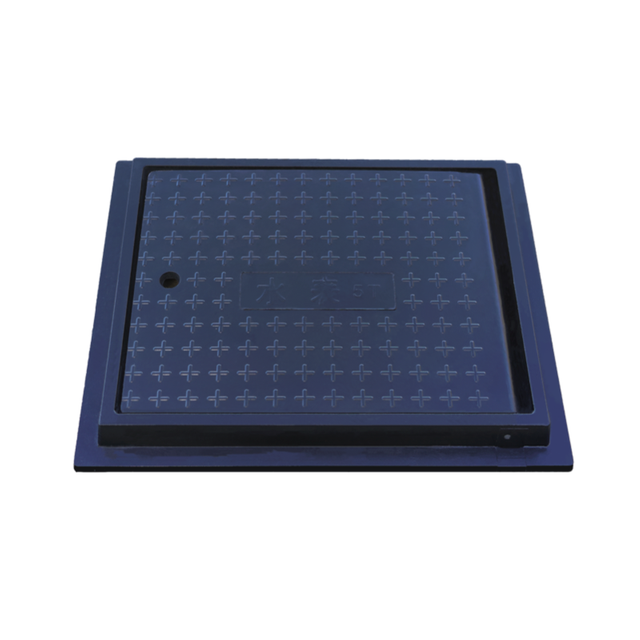
Cities now use new materials for manhole covers. Composite covers are strong and light. They do not rust or get stolen easily. Ductile iron covers are tough and last a long time. They work well on busy roads.
| Innovation/Feature | Composite Manhole Covers | Ductile Iron Manhole Covers and Gratings |
|---|---|---|
| Water-tight and Air-tight Sealing | Stops leaks and smells, makes fixing easier | Not available |
| Lightweight Handling | One person can move it, less chance of injury | Lighter than old iron, easier to move |
| Theft Reduction | Not metal, so thieves ignore it | Hinges and locks help stop theft |
| Corrosion Resistance | No rust, lasts longer in bad weather | Strong, does not break easily |
| Strength and Load Capacity | Good for cities, but not as strong as ductile iron | Handles lots of cars and trucks |
| Ergonomic and Safety Features | Not available | Hinges, locks, and safe design |
| Cost Effectiveness | Cheaper than cast iron, needs less fixing | Costs less than gray iron, lasts longer |
| Noise Reduction | Not available | Special rings make it quieter |
Composite covers last longer because they do not rust. Workers can lift them easily, so they stay safe. Ductile iron covers are very strong and do not break. They are good for places with lots of cars. Hinges and locks make ductile iron covers safer and harder to steal. Both types help cities save money by needing less fixing and replacing.
Cities pick composite and ductile iron covers because they are safe, strong, and save money. These new ideas help make streets better and safer.
Fiber Reinforced Concrete (FRC), Glass Fiber Reinforced Polymer (GFRP), and Fiber Reinforced Polymer (FRP) are new choices for manhole gratings. These materials make covers stronger and last longer. FRC uses glass fibers from recycling, so the concrete is tougher. GFRP waste powder in concrete makes it stronger and keeps out water. FRP uses recycled fibers and resin to make covers that last a long time.
KK-FRP makes FRP covers that are safe and strong. Their covers do not rust and last longer than old ones. Using recycled stuff in FRP helps the planet and saves money. FRC with glass fibers is over 20% stronger. Adding polypropylene fiber makes it even tougher. These materials help make covers that are strong and good for the earth.
FRP and GFRP covers help cities follow safety rules and build greener. They last a long time and need little fixing, so they are a smart pick.
Aluminum dome covers are a new way to cover manholes and tanks. Aluminum is light and does not rust, so these covers last a long time. The dome shape spreads weight, so it stays strong in storms or earthquakes. Tension rings help keep the dome safe and strong.
Main good things about aluminum dome covers:
Stays strong in bad weather and with chemicals
Light weight makes it cheaper to put in
Needs no fixing because it does not rust
Many ways to install it safely
Can be made special for different jobs
Extras like vents, windows, and doors
Aluminum dome covers are used in cities, factories, and oil places. Their design follows new safety rules and can cover big spaces without extra help. Aluminum domes are good for the earth and help cities build better.
Aluminum dome covers protect for a long time and are easy to put in. They are light, strong, and great for new manhole systems.
Manhole covers in 2025 have better anti-slip designs. These designs help keep people safe and make covers easier to use. Makers add slip-resistant coatings and bright colors. This makes covers easy to see and safer to walk on. A Canadian utility company saw fewer accidents after using these coatings. They work well in wet or icy weather. Fiber Reinforced Polymer (FRP) grating gives good grip in slippery places. Its rough surface helps stop slips and falls. Workers clean and check the covers often to keep them safe. Studies in Taipei City show metal covers get less safe over time. Keeping covers with high skid-resistance helps protect people. Many cities pick composite covers because they are light and do not conduct electricity. This also helps stop theft. To learn more about composite covers, visit JSCACOMPOSITE’s manhole cover page.
Tip: Non-slip textures like Sure Grip help stop slips and keep people safe.
Security is very important for manhole covers. New locking systems use biometric scanners and electronic keypads. These locks stop people who should not open the covers. Smart sensors watch the covers and send alerts if someone tries to open them. Strong materials like steel and composite alloys make covers hard to break. Cloud computers and wireless sensors help workers act fast if there is trouble. These tools protect underground utilities and save money. Extra locks and better frame designs make covers even safer. For more about smart covers, visit Customized Smart Manhole Covers.
Main tamper-proof features:
Biometric and electronic locks
Real-time monitoring with IoT sensors
Strong materials for extra safety
Smart locks for quick action
New manhole covers can hold heavy cars and trucks. Engineers make sure covers meet strict rules like EN 124 and ASTM A48. This keeps people and cars safe. Cast iron and ductile iron covers are strong and last a long time. Workers check covers often for cracks, rust, or movement. Cleaning and oiling stops rust and keeps covers working. Damaged covers get replaced quickly to keep everyone safe. Keeping the right design and materials helps follow safety rules. Some covers use new ways to mount equipment to vault walls. This helps covers stay strong. For more about strong covers, visit Inspection Manhole Covers.
| Feature | Benefit |
|---|---|
| High load capacity | Holds up under heavy traffic |
| Corrosion resistance | Stays strong for a long time |
| Slip-resistant surface | Helps stop accidents |
| Anti-theft features | Keeps underground utilities safe |
Regular checks and good materials keep manhole covers strong and safe. This helps protect roads and keeps cities working well.
Many cities pick manhole covers made with recycled stuff. These covers use steel fibers from old things. This means cities do not need as much new steel. Using old steel helps lower pollution and saves energy. Some covers mix concrete with fly ash or slag. This makes the concrete better for the earth. The table below shows how using recycled materials helps the planet and makes covers work better:
| Aspect | Evidence Summary |
|---|---|
| Use of recycled materials | SFRC manhole covers use recycled steel fibers, cutting down on new steel and emissions. |
| Sustainable concrete | Fly ash and slag in concrete lower the carbon footprint. |
| Durability | SFRC covers last longer, so cities replace them less often. |
| Energy efficiency | Making these covers uses less energy than cast iron. |
| Environmental safety | SFRC covers do not leak harmful chemicals. |
| Climate resilience | These covers stand up to harsh weather. |
| Green certifications | Using SFRC covers can help cities earn green building credits. |
Some companies use spent foundry sand in their concrete. This sand takes the place of natural sand and makes the concrete stronger. These choices help the earth and let cities build better places. For more, check eco-friendly product pages on top company websites.
Makers now use eco-friendly materials for manhole covers. Composite materials like SMC, BMC, FRP, and GRP are common. These covers are light, strong, and can be recycled. They do not rust and last longer than old covers. Studies show SMC covers have a much smaller carbon footprint. Lighter covers are faster to put in, which saves time and helps the earth. Cast iron is still a good choice because it can be used again and again. Bengal Iron Corporation makes strong cast iron covers that help cities stay green. Covers with anti-slip textures and no metal parts are safer and harder to steal.
Eco-friendly manhole covers help cities stay safe and protect the earth.
Some new manhole covers can make energy from cars. Engineers put piezoelectric sensors inside the covers. When cars drive over, the sensors turn the pressure into power. This power can run sensors or small lights nearby. The table below shows how energy harvesting works:
| Aspect | Description |
|---|---|
| Technology Integrated | Piezoelectric sensors inside covers |
| How it works | Sensors change pressure from cars into electricity |
| Energy use | Powers sensors, lights, or sends energy to the grid |
| Benefits | Monitors pavement, powers devices, and uses wasted energy |
| Challenges | Needs strong design for heavy traffic and more research for long-term use |
Energy harvesting lets cities use less outside power. It also helps the earth by turning wasted energy into something useful.
The manhole cover and grating market is growing fast in 2025. More people are moving to cities, especially in Asia Pacific and new economies. Cities need stronger roads and systems, so they want more manhole grating. Governments spend money on roads, phone lines, and power. The U.S. Infrastructure Investment and Jobs Act gives extra money, which helps the market grow.
Key reasons for market growth are:
More people live in cities, so urban areas get bigger.
Cities fix and improve roads and pipes, so they need better infrastructure.
Old manhole grating needs fixing, so the market keeps growing.
Cities want to use recycled materials for manhole covers and gratings.
Metal manhole covers, like cast iron, are popular because they last long in busy places.
Phone and power companies use more manhole grating for new jobs.
The market gets bigger as cities get new buildings and fix old ones. Both new projects and repairs help the market grow. Cities want strong, safe, and earth-friendly manhole grating, so demand goes up.
Manufacturers help the manhole cover and grating market grow. They use new materials like cast iron, ductile iron, steel, and special composites. These materials make manhole grating lighter and harder to steal. Companies design covers that are easy to use and add smart sensors for real-time checks. This helps smart city projects and makes upgrades easier.
Manufacturers work on:
Making covers stronger and less slippery for safety.
Creating manhole grating that can be changed for different uses.
Using green and rust-proof materials so covers last longer.
Meeting new rules for building and the environment.
New ideas in the manhole cover and grating market help cities keep up with change. Companies make strong, safe covers for roads, pipes, and storm drains. Growth and new ideas make sure city systems stay safe and work well for a long time.
Manufacturers are making manhole grating better for cities. Their new ideas help the manhole cover and grating market keep growing.
City branding changes how cities look and feel. Manhole covers now help with this. Designers put logos, mascots, and slogans on covers. These covers show local pride. Kolkata uses artistic covers as city landmarks. Bengaluru made safer covers and saw fewer accidents. Maintenance costs also went down. New York City has the Millennial Manhole Cover. It has abstract patterns that show the city’s global network. Japanese cities mix old and new styles. They use special insignias to show unity and diversity.
| City | Branding Feature |
|---|---|
| Kolkata | Artistic covers as cultural landmarks |
| Bengaluru | Safety-focused covers reflecting innovation and city branding |
| New York | Abstract designs symbolizing global connectivity |
| Japan | Regional insignias blending tradition and modernity |
Custom covers fit walkways, driveways, campuses, and parking lots. The process starts with talking to planners. Then, they make CAD drawings, molds, and cast the covers. Urban planners use these steps for safety and style. Decorative covers make city spaces look better. They help bring people together. For more custom covers, visit JSCACOMPOSITE’s manhole cover page.
Custom manhole covers help cities show their identity and support smart city plans.
Urban integration means covers match the city’s look. Composite covers can change shape, size, color, and texture. Planners pick covers that fit sidewalks, parks, and roads. SFRC precast concrete covers can have logos or emblems. This helps covers blend in with their surroundings. It also supports harmony and city strength.
Manhole covers do more than protect underground systems. They also make the city look nice. Covers with grip styles and bolts keep people safe. Custom designs help cities grow and change. The market offers covers for many places.
Benefits of urban integration:
Covers match city design
Helps cities grow and modernize
Makes things safer and more useful
Brings new ideas to design
Urban planners use these covers to make spaces look good. The market keeps growing as cities want better infrastructure. For more about custom covers, visit JSCACOMPOSITE’s customized smart manhole cover page or contact JSCACOMPOSITE.
Cities and utility companies notice big changes coming for manhole covers. Smart systems and new materials help keep streets safer. Real-time monitoring lets workers fix problems faster. Composite covers are light and easy to move. They also protect well, like the ones at JSCACOMPOSITE.
These new ideas help cities save money and keep people safe. They also help build better city systems. City leaders should look at new technology and materials. This can make cities safer and last longer.
Cities use smart sensors and new strong materials. They also use eco-friendly materials for covers. These new designs make things safer and easier to use. Many covers help smart city projects and make cities stronger. Learn more at JSCACOMPOSITE.
New materials like composite covers and ductile iron are used. Recycled materials are also picked for covers. These choices make covers last longer and need less fixing. They help cities build in a way that is good for the earth. For details on eco-friendly materials, visit JSCACOMPOSITE’s manhole cover page.
Real-time monitoring uses IoT sensors to watch covers. These systems tell workers about problems fast. Smart systems help cities fix things quickly and upgrade their systems. This makes cities safer and easier for everyone.
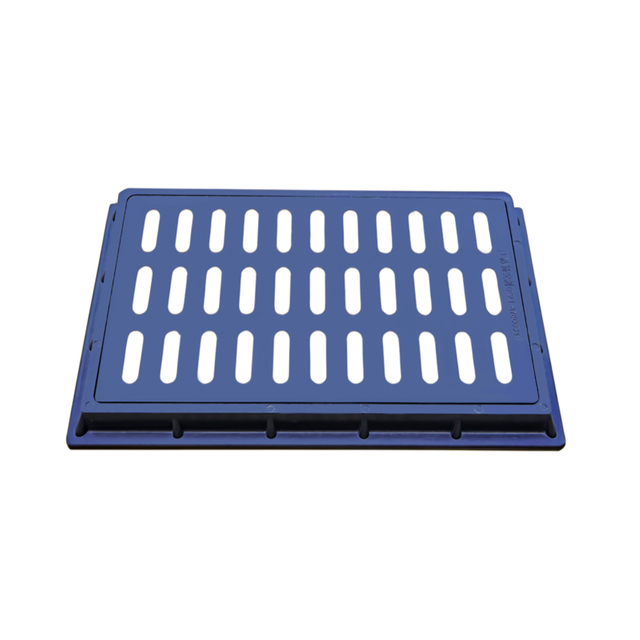
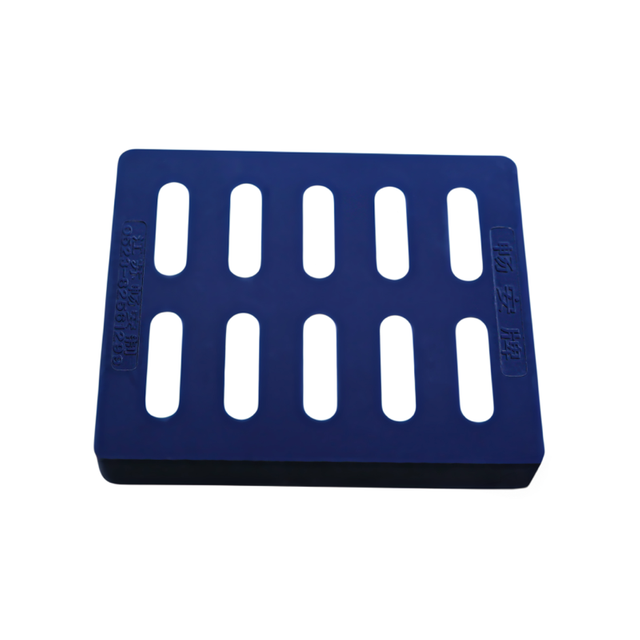
Modern covers and gratings work for many jobs. Cities use them for water, cable, and checking pipes. Visit Water Grate or Cable Trench Cover Plate for more information.
The manhole cover and grating market is getting bigger. More people in cities means more covers are needed. Companies work on making covers safer and easier to use. This helps cities grow in a way that is good for the earth. Learn about market growth and innovation at JSCACOMPOSITE About Us.