Views: 0 Author: Site Editor Publish Time: 2025-12-18 Origin: Site


Water grates are vital for efficient drainage systems, directing water and preventing flooding. However, without regular maintenance, they can become clogged with debris, leading to water damage and costly repairs.
In this article, we'll explore essential tips for maintaining water grates and preventing clogs. You'll learn practical ways to keep your drainage system working efficiently for the long term.
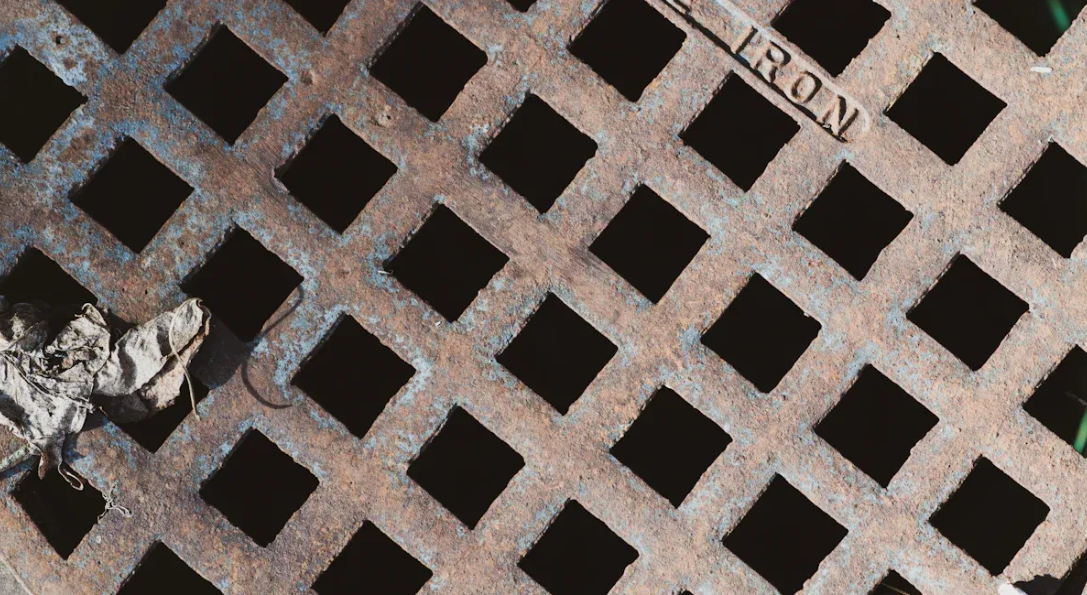
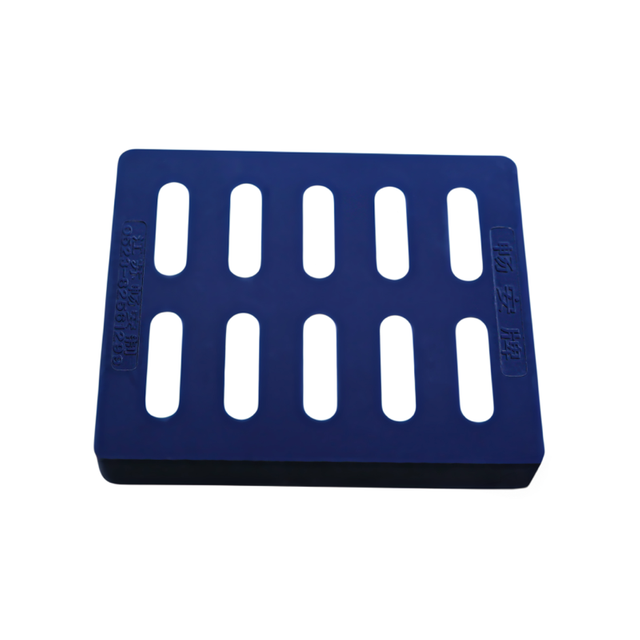
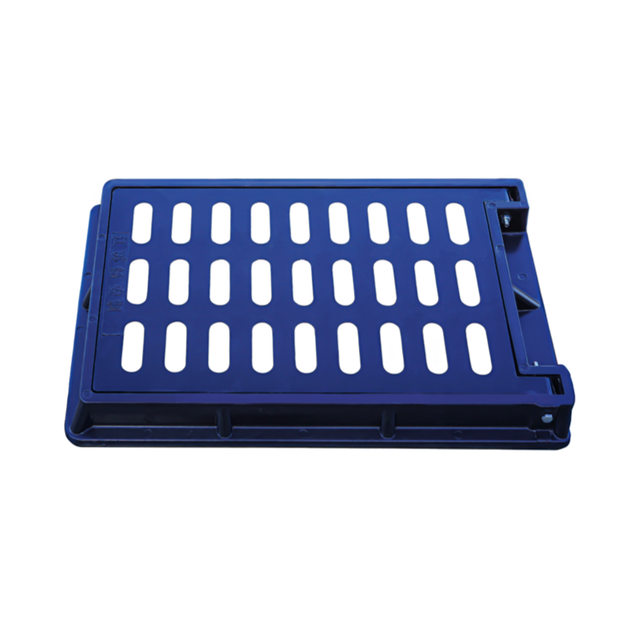
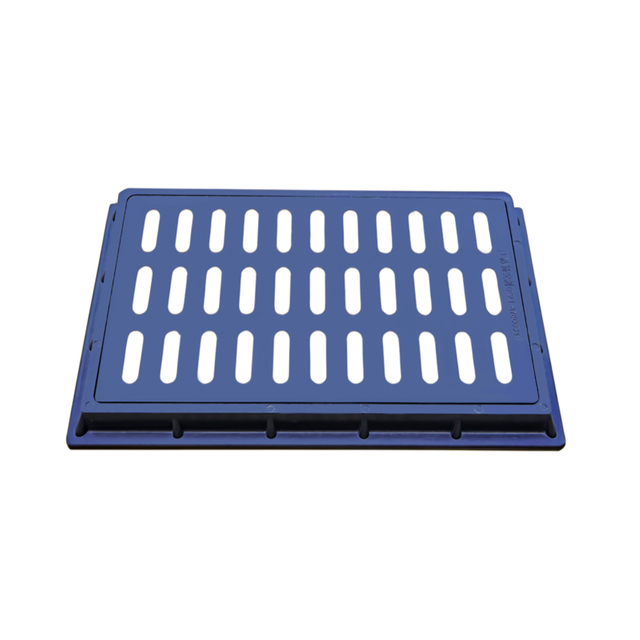
Water grates are designed with the specific purpose of allowing stormwater to flow freely into the drainage system. They act as the first line of defense against debris that could potentially block the flow of water. By preventing water from pooling on the surface, water grates help maintain a dry and safe environment, especially in areas prone to heavy rainfall or snowmelt. Without these grates, water would have nowhere to go, leading to severe water damage, soil erosion, and potential flooding.
In addition, water grates play an important role in controlling stormwater runoff. When managed correctly, this runoff can be channeled away from streets, buildings, and other structures. In urban areas where there is limited open land, water grates help prevent water from flooding paved areas and reduce the risk of erosion that can damage infrastructure. By keeping water flowing properly, water grates reduce the strain on the entire drainage system and ensure its efficient operation.
Clogged water grates are a major cause of flooding in urban environments. When debris such as leaves, dirt, and trash accumulate, it blocks the flow of water, causing backups. This can lead to pooling water, which over time can erode pavements, damage roads, and even weaken the foundation of buildings. Without the free flow of water, areas such as streets, parking lots, and sidewalks can become flooded, creating unsafe conditions for pedestrians and vehicles.
Additionally, when water cannot drain properly, it may spill over the grates and into nearby structures, resulting in localized flooding. This type of flooding can disrupt daily activities, cause property damage, and incur costly repair bills. In extreme cases, clogged water grates can lead to significant damage to the surrounding environment, such as soil erosion, foundation damage, and the deterioration of pavement or other infrastructure.
Tip: Regularly cleaning water grates can prevent costly repairs, minimize the risk of flooding, and extend the lifespan of your infrastructure.
Regular inspections are crucial for identifying potential issues before they escalate into major problems. Ideally, water grates should be inspected quarterly, or more frequently in areas with heavy foot or vehicle traffic. Inspections involve checking the grates for visible damage, debris buildup, or signs of corrosion. It's also important to assess the surrounding drainage system for blockages, cracks, or any structural damage that could impact performance.
During inspections, look for any signs of wear and tear, such as cracks in the grate, rusting, or warping. Additionally, inspect the drainage pipes and connections to ensure they are free from any obstructions. By conducting regular inspections, you can catch small issues early, preventing them from affecting the overall drainage performance. Inspections also help you determine the need for repairs or replacements before they become urgent and costly.
Clogged grates are often visible during heavy rainfall when water pools around the grate instead of flowing through it. A blocked or partially blocked water grate can cause water to back up, resulting in pooling around the grate and nearby areas. Common signs of a blockage include:
Standing water around the grate.
Slow drainage or pooling in nearby areas, particularly after rainfall.
Visible debris or dirt accumulation on or around the grate, preventing water from passing through.
A foul odor emanating from the grate, which could indicate the buildup of organic material such as leaves, twigs, or even algae.
If you notice any of these signs, it's crucial to take action as soon as possible to prevent the issue from escalating into a larger drainage problem. Left unchecked, blockages can lead to severe water damage, structural issues, and costly repairs.
Water grates are prone to collecting debris such as leaves, twigs, and litter, especially during the fall or in areas with heavy foliage. Over time, this debris can accumulate and block the flow of water, which increases the likelihood of flooding and damage to the surrounding infrastructure. Regular cleaning is essential to keep the grates functioning efficiently.
For areas with heavy foliage or high traffic, consider installing protective covers or debris catchers to reduce the amount of debris entering the system. Mesh covers allow water to pass through but trap larger debris, making it easier to clean. This will help maintain proper water flow and reduce the frequency of manual cleaning. In addition, cleaning the grates after a heavy rainstorm or seasonal weather changes is crucial for preventing debris buildup and ensuring the system remains clear.
Cleaning water grates is relatively simple, but it’s important to use the right tools to avoid damaging the system. Here’s a step-by-step guide to cleaning your water grates:
Remove Visible Debris: Use a rake, shovel, or gloved hands to remove leaves, twigs, and other debris from the surface of the grate.
Flush the Grates: Use a hose or pressure washer to clean off any remaining dirt and ensure water can flow freely through the grates. It’s important to remove any stubborn dirt or grime that may have settled into the grate’s surface.
Check the Drain: After cleaning the surface, check the surrounding drainage system for any blockages that could impede water flow. You may need to clear the drainage pipes to ensure optimal performance.
Pressure washing is an effective method for cleaning water grates, especially when there’s stubborn debris or mineral buildup. However, it’s important to use the right pressure settings to avoid damaging the grate. A medium-pressure setting is usually sufficient to remove dirt, algae, and other debris without causing harm to the grate or surrounding system.
Make sure to use the pressure washer from an appropriate distance to avoid forcing debris deeper into the drainage system. Keep the nozzle at an angle, and avoid using excessive force that could damage the materials.
| Cleaning Method | Recommended Tool(s) | Frequency | Notes |
|---|---|---|---|
| Remove Visible Debris | Rake, Shovel, Gloved Hands | After rain or seasonally | Prevents larger debris from clogging |
| Flush the Grates | Hose or Pressure Washer | As needed, seasonally | Clears dirt and grime buildup |
| Clear Stubborn Clogs | Drain Snake, High-Pressure Water Jet | As needed | For tougher blockages in drains |
| Pressure Wash | Pressure Washer | Occasionally | Use medium pressure to avoid damage |
If the grate is clogged with mud, sand, or other stubborn materials, a simple rinse may not be enough. In such cases, use a drain snake or a high-pressure water jet to dislodge tough blockages. Start by removing the grate to access the drainage pipes, and use the snake or jet to clear the debris from the system.
In severe cases, it may be necessary to remove the entire grate and thoroughly clean the drainage pipes with more specialized tools, such as a drain auger or high-pressure water hose.
When selecting water grates, it’s essential to choose a design that fits the specific needs of your drainage system. Factors to consider include:
Material: Stainless steel, aluminum, and cast iron grates are durable and resistant to rust, making them ideal for outdoor use and high-traffic areas.
Size and Shape: Grates come in various sizes and configurations, so ensure that the grate you choose is compatible with your drainage system. A grate that is too small may clog quickly, while one that is too large may allow too much debris through.
Safety Features: Some grates are designed with ADA compliance in mind, making them safer for pedestrians by preventing slips and providing a smoother surface for walkers, particularly in high-traffic areas.
Choose water grates with wider slots if debris is not a significant concern, as this allows for faster drainage and reduces clogging risks.
Investing in high-quality water grates can significantly reduce the frequency of maintenance required. Durable grates are less likely to corrode, rust, or wear out over time, reducing long-term repair costs. Additionally, higher-quality materials and designs can improve the efficiency of your drainage system, reducing the likelihood of blockages and ensuring smooth water flow. Consider the cost-benefit ratio when selecting water grates—while high-quality grates may cost more upfront, they save money in the long run by minimizing maintenance and preventing major repairs.
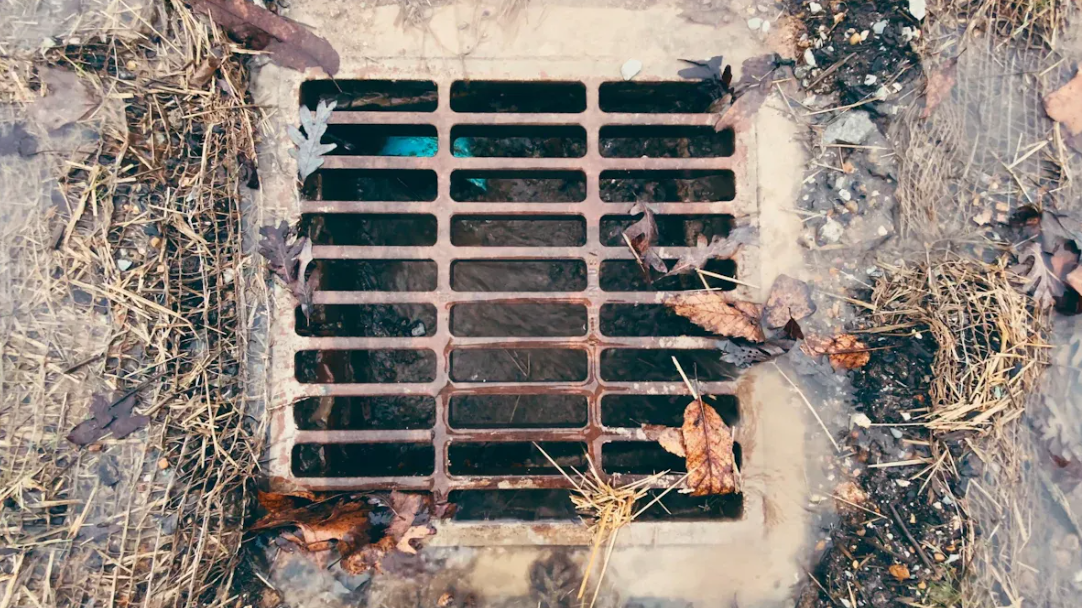
Proper drainage design is essential for preventing strain on your water grates. Ensure that the system is appropriately sized to handle local rainfall and runoff levels. An overloaded system is more likely to experience clogs and failures, leading to flooding, erosion, and water damage. Consult a drainage expert when designing or upgrading a drainage system to ensure it meets local requirements and weather patterns.
Erosion can damage water grates and their surrounding infrastructure. By implementing erosion control methods, such as using silt fences, planting grass, or installing retaining walls, you can prevent soil from washing into the drainage system. This also helps maintain the stability of the surrounding area and ensures that the water grates function properly over time.
Protective covers or barriers can reduce the amount of debris entering the water grate system, minimizing the need for frequent cleaning. These devices can catch large pieces of debris, such as leaves and branches, while still allowing water to flow freely. Ensure the protective devices you choose are durable enough to withstand harsh weather conditions without obstructing water flow.
To ensure your water grates perform at their best, set up a consistent maintenance routine. This should include periodic inspections, cleaning, and minor repairs. A well-maintained grate system can help prevent blockages, reduce the risk of flooding, and extend the life of your drainage system. Create a maintenance calendar to track inspections and cleanings, ensuring that no grate is overlooked.
While DIY inspections and cleaning are effective for routine maintenance, it’s important to schedule professional cleanings at least once a year. Professionals can provide a more thorough inspection and may identify issues that are not visible to the untrained eye. Combining DIY efforts with professional services ensures that your water grates remain in top condition. Professional services may be especially important for large commercial or industrial drainage systems, where maintenance requirements are more complex.
Proper maintenance of water grates is crucial for preventing clogs, flooding, and infrastructure damage. Regular inspections and cleaning, combined with high-quality materials, will keep your drainage system running efficiently. Taking proactive measures now can save you from costly repairs and long-term water damage.
For reliable solutions, Jiangsu Chang'an Manhole Cover Co., Ltd. offers high-quality water grates designed to ensure optimal drainage performance and durability. Their products provide superior value, improving system efficiency and preventing long-term issues.
A: Water grates are drainage components that allow water to flow through while blocking debris. They help prevent flooding and water pooling by directing stormwater into the drainage system efficiently.
A: It's recommended to clean water grates at least once a season or after heavy storms. Regular cleaning ensures that debris doesn’t block water flow, preventing clogs and flooding.
A: Water grates allow rainwater to flow freely into the drainage system, preventing pooling on streets and reducing the risk of flooding, especially in high-traffic areas or during heavy rainfall.
A: Signs of clogged water grates include standing water around the grate, slow drainage, visible debris, and foul odors. These indicate a blockage that could lead to flooding if not addressed.
A: Yes, using a pressure washer is an effective method for cleaning water grates. It helps remove dirt and stubborn debris, but make sure to use medium pressure to avoid damaging the grate.