Views: 0 Author: Site Editor Publish Time: 2025-12-05 Origin: Site


Water grates are crucial for managing surface water runoff, preventing flooding, and minimizing water damage. Whether you're dealing with residential or commercial spaces, choosing the right grate ensures effective drainage and water management.
In this article, we’ll discuss the different types of water grates, their benefits, and how to select the best one for your needs. From understanding material choices to considering environmental factors, this guide will help you make an informed decision.
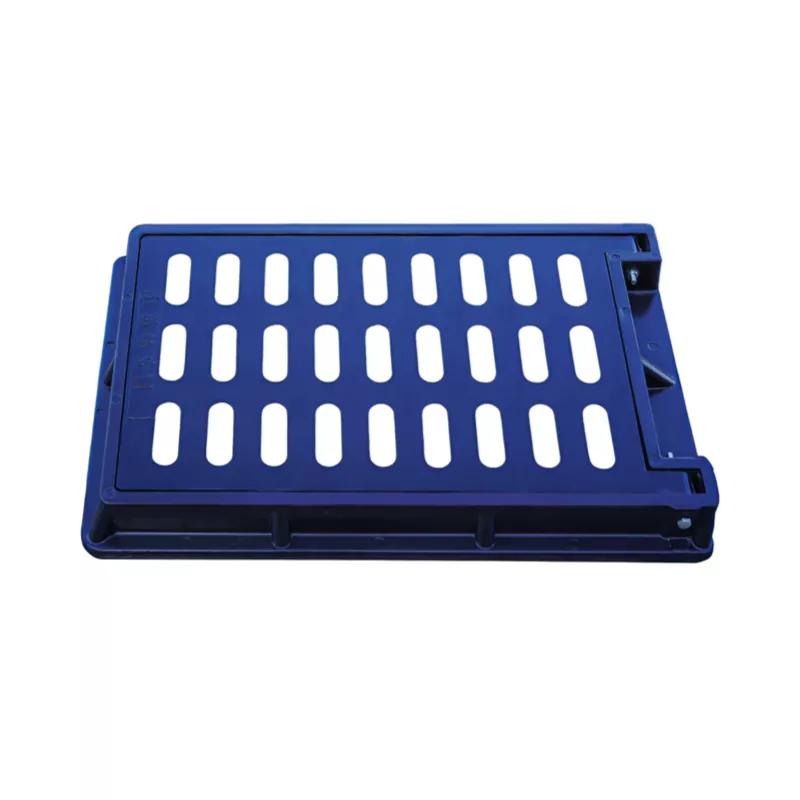
Water grates serve as the first line of defense against flooding by allowing surface water to flow into the drainage system. They are designed to intercept rainwater and direct it into trench drains or other drainage channels. The shape, size, and material of a water grate directly impact its effectiveness in channeling water away from vulnerable areas.
A well-chosen grate ensures that excess water doesn’t accumulate on the surface, reducing the risk of water damage. In areas with frequent rainfall or heavy foot traffic, a high-flow grate is essential to direct water away quickly, preventing pooling or damage to surrounding surfaces. The proper design also ensures water flows smoothly and efficiently, particularly during intense rainfall events.
Water grates can be a safety hazard if not designed properly. Pedestrians, especially those with mobility aids like wheelchairs or canes, may find it difficult to navigate poorly designed grates. The Americans with Disabilities Act (ADA) sets guidelines for grate design, ensuring that they don’t impede access.
For commercial and public spaces, it’s crucial to select grates that are ADA-compliant. Heel-proof grates, which prevent high heels and small objects from getting stuck, are a good option for walkways and plaza areas where pedestrian safety is a top priority. Ensuring that grates are accessible and safe for all users not only complies with regulations but also contributes to the overall safety of the space.
When choosing a water grate, several factors need to be considered to ensure it meets your specific needs. These include:
Load capacity: Depending on the location (residential, commercial, or industrial), the grate should be able to handle pedestrian or vehicular traffic without damage.
Material: Different materials offer varying levels of durability, resistance to corrosion, and strength. Selecting the right material ensures the grate performs well in specific environmental conditions.
Design: The opening size and shape of the grate should allow water to flow efficiently while preventing debris from clogging the system. Consider whether the design is practical for the intended environment.
Environmental impact: Grates should be durable and resistant to corrosion, especially in areas prone to wet conditions. Materials like stainless steel or galvanized steel offer better long-term performance in such environments.
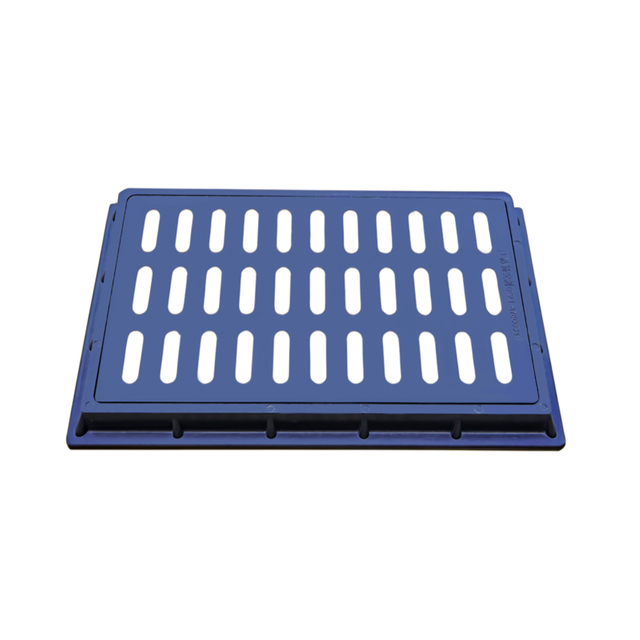
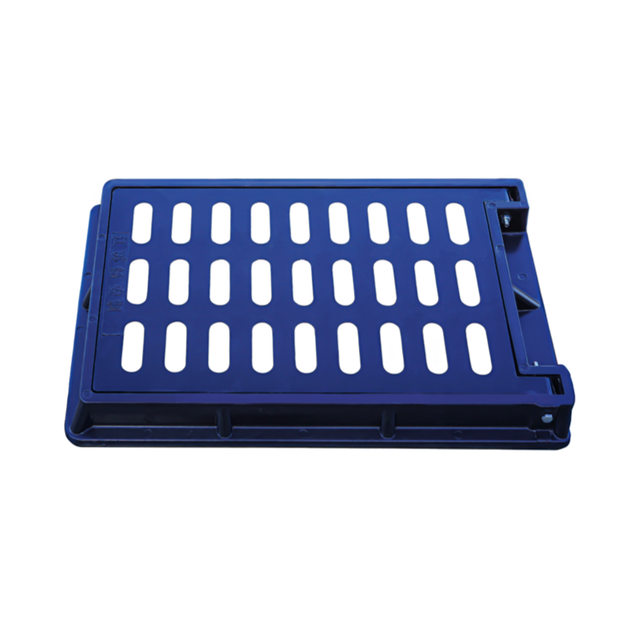
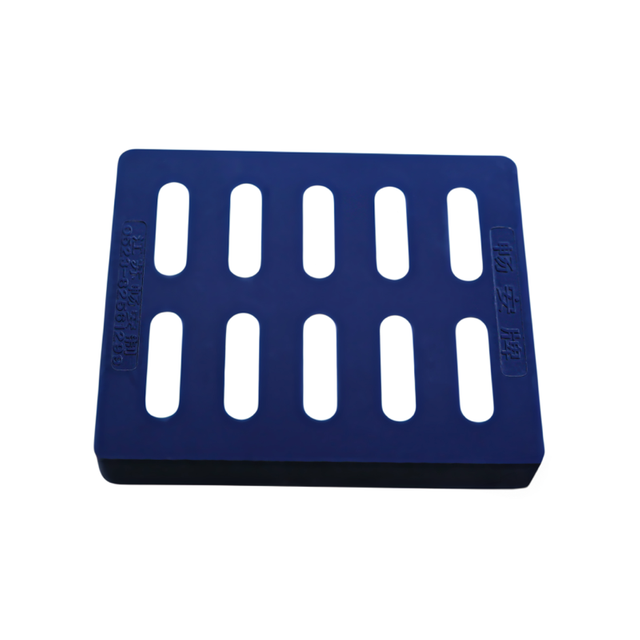
Slotted grates are often the go-to option for areas with heavy vehicle or foot traffic, such as parking lots and driveways. These grates have linear or offset slots that allow for a high flow rate, making them perfect for preventing water buildup in high-traffic environments.
Slotted grates are also versatile and can be used in various commercial and industrial settings. They provide a simple and cost-effective solution for areas where drainage is needed, especially in parking areas or roads that experience heavy vehicle load.
Heel-proof grates are designed specifically to prevent high heels, cane tips, or other small objects from getting stuck in the openings. With narrow openings that limit the size of debris that can enter, these grates are ideal for pedestrian spaces where safety is a concern.
These types of grates are frequently used in walkways, public plazas, and commercial areas where there is heavy foot traffic. They ensure that people, regardless of their mobility, can safely pass over the grates without any obstruction. Additionally, heel-proof grates help to reduce the risk of accidents or injuries in high-traffic pedestrian areas.
Perforated grates feature round, square, or custom holes that allow water to pass through while preventing larger debris from entering. These are commonly used in environments where sanitation is a top priority, such as in restaurants, clean rooms, and food processing areas.
In these settings, cleanliness is essential, and perforated grates offer a solution that reduces the accumulation of debris while still allowing water to drain effectively. They also offer ease of maintenance, as cleaning is relatively simple compared to other grate types. These grates are especially useful in areas with strict hygiene standards, such as food production zones.
For residential properties and luxury developments, decorative grates offer both function and style. These grates can be customized with various patterns and finishes, allowing them to blend seamlessly with the surrounding landscape or architecture. They provide an attractive alternative to the more industrial-looking options, contributing to the overall design of the space.
In addition to their aesthetic appeal, decorative grates can be durable and functional. Many decorative designs are also designed to meet ADA standards, ensuring that they are safe for all users. Whether installed in parks, gardens, or high-end residential developments, these grates enhance the beauty of the environment while providing effective water drainage.
Heavy-duty bar grates are built to withstand extreme conditions. These grates are commonly found in industrial environments like warehouses and forklift traffic zones. Their robust design and high load capacity make them perfect for areas subjected to heavy machinery or vehicle traffic.
These grates are engineered to handle the high stresses associated with industrial use, providing long-term durability and performance even in the most demanding conditions. Their strength makes them suitable for areas where frequent, heavy loads are expected, ensuring that they won’t fail under pressure.
High-Density Polyethylene (HDPE) grates are lightweight, resistant to chemicals and UV rays, and cost-effective. These grates are commonly used in residential applications and landscaping, offering an affordable solution for areas with low traffic.
HDPE grates are easy to install and replace, making them an excellent choice for residential and light-duty commercial applications. They provide a lightweight solution without sacrificing durability, making them a cost-effective option for areas where heavy traffic is not a concern.
Slot drains feature narrow linear openings built directly into the drain channel, with no separate grate required. This type of drainage system is commonly used in sanitary environments where cleanliness and ease of maintenance are crucial.
The lack of a grate means there are fewer parts to clean or replace, reducing long-term maintenance costs. Slot drains are commonly used in breweries, clean rooms, and other sanitary facilities where hygiene is a top priority. They also ensure that there is no debris buildup, improving water flow and reducing the risk of clogging.
| Water Grate Type | Best for | Key Benefits |
|---|---|---|
| Slotted Grates | Parking lots, driveways, general commercial use | High flow rate, cost-effective, simple design |
| Heel-Proof Grates | Sidewalks, public plazas, ADA-compliant walkways | Prevents high heels and cane tips from getting stuck, ensures pedestrian safety |
| Perforated Grates | Restaurants, clean rooms, food and beverage production | Easy to sanitize, reduces debris accumulation |
| Decorative Grates | Residential properties, luxury developments, parks | Aesthetic appeal, available in various designs and finishes |
| Heavy-Duty Bar Grates | Industrial sites, warehouses, forklift traffic zones | High load capacity, industrial durability |
| HDPE Grates | Residential use, landscaping, light-duty areas | Lightweight, UV and chemical resistant, cost-effective |
| Slot Drains | Sanitary applications, breweries, clean environments | No removable parts, easy to clean, CIP compatible |
Choosing the correct load rating for a water grate is essential to ensure it can handle the required traffic. Grates are classified by load class, ranging from pedestrian traffic (A15) to heavy vehicles (F900). Knowing the traffic load will help you select a grate that won’t fail under pressure.
It’s important to assess the expected volume and type of traffic (pedestrian vs. vehicular) to avoid overloading the grate or causing damage to the drainage system. Make sure to match the load class to the expected traffic to ensure both safety and functionality.
Each material offers different advantages:
| Material | Durability | Cost | Best Use |
|---|---|---|---|
| Steel | Durable, rust-prone | Moderate | Commercial and industrial sites |
| Cast Iron | Extremely strong, long-lasting | High | Heavy-duty and high-traffic areas |
| Plastic (HDPE) | Lightweight, corrosion-resistant | Low | Residential use, landscaping, light-duty areas |
| Stainless Steel | Corrosion-resistant, modern | High | Premium commercial and luxury residential areas |
Consider the environmental factors, such as exposure to chemicals, UV rays, or extreme weather, to choose a material that offers the best durability for your specific needs.
The design of the grate plays a crucial role in its hydraulic efficiency. Grates with larger openings or better flow characteristics will allow water to drain more quickly, preventing flooding or water buildup. Ensure that the grate design matches the drainage needs of the area to maximize performance.
When selecting a grate for public or pedestrian spaces, ensure it meets ADA standards for accessibility. This will prevent safety hazards for those with mobility aids and ensure that the grate doesn’t impede access. Compliance with ADA standards also helps avoid legal issues in public spaces and commercial properties.
The ease of cleaning and debris management is one of the key factors in determining the long-term effectiveness of a water grate. Grates with larger openings or simple designs are generally easier to maintain as they reduce the chances of debris accumulation. For instance, perforated grates, with their round or square holes, allow water to flow smoothly while minimizing the buildup of debris. This is particularly important in areas like restaurants, food production facilities, or public walkways, where sanitation is essential.
In contrast, grates with smaller openings or intricate designs, such as slotted or bar grates, can quickly become clogged with dirt, leaves, and other debris. Regular cleaning may be necessary to prevent the system from becoming blocked, leading to inefficient drainage and potential flooding. Grates designed to minimize debris buildup reduce the frequency of cleaning, saving time and maintenance costs. Choosing the right design based on the location’s exposure to debris can ensure a more cost-effective and low-maintenance solution.
The longevity of a water grate is closely linked to the material and design used in its construction. Cast iron grates, known for their robustness, are often used in high-traffic areas such as roads, parking lots, and industrial sites where strength and durability are paramount. Cast iron can withstand heavy loads and resist wear from frequent use, making it ideal for environments subjected to heavy machinery or large vehicles.
On the other hand, materials like HDPE (High-Density Polyethylene) are more lightweight and resistant to corrosion but may not be as durable under heavy loads or in environments with extreme traffic. While HDPE grates are a more affordable option, their lifespan could be shorter compared to metal grates in demanding applications. It's important to match the material’s properties with the environmental conditions. For example, areas exposed to moisture, chemicals, or harsh weather conditions will benefit from grates made of corrosion-resistant materials like stainless steel or galvanized steel.
The design of a water grate plays a significant role in how often it requires cleaning. Grates with small openings or complex patterns are prone to trapping dirt and debris, which can impede water flow over time. For example, bar grates, which have narrow gaps, tend to collect more debris, requiring more frequent cleaning to keep them functioning properly. In areas with high foot or vehicle traffic, this could lead to increased maintenance time and costs.
On the other hand, grates with simpler designs, like slotted or perforated grates, tend to be easier to maintain. Their larger openings allow debris to pass through more easily, reducing the need for frequent cleaning. These designs are particularly beneficial in areas where debris buildup is a concern, such as parks, roads, or industrial sites with constant exposure to dirt. By choosing a simpler, open design, you can ensure the grate requires less frequent maintenance, providing both ease of use and cost savings over time.
Water grates come in a wide range of prices, depending on the material, design, and intended application. HDPE and galvanized steel grates are often more affordable than stainless steel or cast iron grates, making them popular choices for residential or light-duty commercial applications. These grates offer an affordable solution, particularly in areas where high load-bearing capacity is not a requirement.
However, it’s important to consider that cheaper materials may not be as durable or long-lasting as more expensive options. For instance, while HDPE grates are corrosion-resistant and lightweight, they might not withstand heavy vehicle traffic or harsh environmental conditions as effectively as cast iron or stainless steel. For applications where the grate will be subjected to extreme conditions, investing in a more durable material may be a wise choice to avoid frequent replacements and the associated costs. Balancing the initial cost with the anticipated lifespan of the grate will help ensure the best value for money in the long run.
When selecting a water grate, the upfront cost should be weighed against the long-term costs associated with maintenance and replacement. While lower-cost grates may seem like an attractive option initially, they might not offer the same durability or performance over time. Cheaper materials could require more frequent repairs or replacements, which can add up over time, ultimately making them more expensive in the long term.
On the other hand, investing in higher-quality grates, such as cast iron or stainless steel, may involve a higher initial outlay, but these materials tend to last longer and require less maintenance. For example, cast iron grates are built to withstand heavy traffic and harsh conditions, making them ideal for industrial and high-traffic environments. The higher cost of these materials is often offset by their durability, reducing the need for frequent maintenance or replacements.
In conclusion, selecting the right grate involves considering both the initial purchase cost and the long-term value. It’s crucial to choose a grate that fits both your budget and your performance requirements to ensure a durable, efficient, and cost-effective solution.
Choosing the right water grate requires careful consideration of the space's specific needs. Whether managing a high-traffic commercial area or a residential driveway, selecting the appropriate grate ensures efficient drainage, safety, and long-term durability. By understanding the benefits and limitations of each type of grate, you can make an informed decision that balances function, safety, aesthetics, and cost.
Jiangsu Chang'an Manhole Cover Co., Ltd. offers high-quality water grates that provide reliable performance in both residential and commercial applications. With durable materials and a focus on safety and ease of use, their products ensure optimal drainage and value.
A: Water grates are used to manage surface water runoff, preventing flooding and directing water to drainage systems. They are essential in both residential and commercial settings to ensure effective water flow and reduce water damage.
A: When selecting a water grate, consider factors like traffic load, material durability, and the environment. Choose a design that suits your drainage needs while balancing safety, aesthetics, and cost.
A: The main types of water grates include slotted, heel-proof, perforated, decorative, heavy-duty, HDPE, and slot drains. Each type serves a specific purpose depending on traffic, environment, and sanitation needs.
A: Perforated water grates are easier to sanitize compared to slotted or bar grates. Their design helps prevent debris buildup, making them ideal for restaurants or food production areas where hygiene is essential.
A: Water grates vary in cost depending on material and design. HDPE and galvanized steel are more affordable, while stainless steel or cast iron grates may be more expensive but offer higher durability for commercial or industrial use.
A: The maintenance frequency of water grates depends on their design. Simple, open designs like slotted grates are easier to clean, while intricate designs may require more frequent upkeep due to debris accumulation.