Views: 0 Author: Site Editor Publish Time: 2025-10-27 Origin: Site


Have you ever noticed the manhole covers on city streets? These everyday objects are crucial to keeping pedestrians and vehicles safe. Manhole covers protect underground systems, but improper standards can lead to dangerous accidents.
In this article, we’ll explore why safety standards for manhole covers matter in urban infrastructure. We will also highlight how these standards safeguard public safety and enhance urban resilience.
The safety of pedestrians and vehicles is one of the key reasons for implementing stringent standards for manhole covers. A faulty or misaligned manhole cover can pose significant risks, leading to serious accidents, injuries, or even fatalities. In fact, poorly maintained or incorrectly installed covers are responsible for thousands of accidents annually, including vehicle damage and pedestrian falls.
For example, in high-traffic urban areas, where manhole covers must withstand the weight of buses and trucks, the load-bearing capacity must be carefully monitored to prevent any failures. A manhole cover that fails to meet load-bearing standards can lead to dangerous situations, such as roads caving in or causing severe damage to vehicles. Hence, standards such as those set by EN 124 and ASTM F1142 play a crucial role in preventing such hazards, ensuring that the infrastructure is safe for both pedestrians and vehicles.
Without proper load-bearing standards, there is a high risk that manhole covers will become dislodged or compromised under the weight of traffic, leading to costly repairs, vehicle damage, and potential legal liabilities. In regions with heavy traffic or industrial zones, manhole covers must be rated to withstand much higher loads than those in residential areas, which makes adherence to safety standards even more crucial in these high-risk zones.
Utility workers who access underground systems through manhole covers face unique risks, such as exposure to dangerous gases or unstable conditions. Properly secured, robust covers help prevent accidents during maintenance work by ensuring that only authorized personnel can access these areas. They also serve to protect workers from falling debris, floods, or other environmental hazards.
Locking mechanisms, slip-resistant surfaces, and corrosion-resistant materials enhance worker safety. For instance, new designs now include smart manhole covers equipped with sensors to detect gas leaks or monitor the structural integrity of the cover, offering real-time safety data to prevent accidents before they happen. These technological advancements can detect unsafe conditions and alert workers in real-time, allowing them to take immediate corrective actions.
Providing safer, more efficient access for workers ensures that maintenance can be conducted without compromising worker safety. Additionally, the improved design of modern covers reduces the chances of accidental exposure to hazardous materials, which can be vital for preventing injuries in hazardous work environments.
The choice of material for a manhole cover significantly influences its safety and durability. Common materials include cast iron, ductile iron, and composite materials, each offering varying levels of strength and resilience. For example, ductile iron is particularly known for its strength-to-weight ratio, making it suitable for areas with heavy traffic. Composite materials, while lightweight, offer corrosion resistance, making them ideal for areas exposed to harsh weather conditions.
Each material must meet specific standards for load-bearing capacity and environmental resistance. Manhole covers made from low-quality or inappropriate materials could fail under pressure, causing damage or creating unsafe conditions. For instance, a manhole cover that rusts quickly or cracks under pressure could lead to severe infrastructure issues. This highlights the critical need for materials that are not only strong but also resistant to environmental factors such as rust, corrosion, and impact.
Choosing the appropriate material for the local environment can make a huge difference in maintaining both the manhole cover’s longevity and its performance. Cities in coastal areas, for example, would benefit from composite or stainless steel covers, which offer superior corrosion resistance compared to traditional iron materials. In contrast, areas with heavy traffic would require stronger materials like ductile iron, which can absorb shock without cracking.
Material | Strengths | Weaknesses | Common Applications |
Cast Iron | Durable, corrosion-resistant, long-lasting | Heavy, prone to rust, expensive | High-traffic areas, highways, industrial sites |
Ductile Iron | Strong, flexible, impact-resistant, corrosion-resistant | Heavier than composites, costlier | Busy streets, airports, bridges |
Composite | Lightweight, corrosion-resistant, easy to handle | Higher cost, not as strong as metals | Pedestrian zones, areas requiring easy lifting |
Stainless Steel | Corrosion-resistant, aesthetic, strong | Prone to scratching, higher initial cost | Coastal areas, industrial zones, luxury areas |
The load-bearing capacity of manhole covers is a critical factor in urban infrastructure. Different areas require covers rated for different load classes. For example:
● A15 is for pedestrian areas.
● B125 handles light vehicle traffic.
● D400 is used for main roads and highways.
● F900 is designed for heavy-duty applications, such as airports or docks.
These standards are essential in ensuring that covers can withstand varying traffic loads without failure. Proper load classification also prevents costly repairs and potential safety hazards due to underestimating the required strength for specific urban settings. Without clear standards, cities would risk using the wrong covers in areas that demand higher load tolerances, increasing the risk of accidents and subsequent infrastructure damage.
In busy urban areas, it’s especially important to consider the load-bearing capabilities of manhole covers to ensure they meet the needs of high-density traffic. As urban centers evolve and face challenges with growing populations and vehicular traffic, adhering to these standards will be a key factor in maintaining a safe and durable infrastructure.
Load Class | Max Static Load (Tonnes) | Max Dynamic Load (Tonnes) | Typical Applications |
A15 | 1.5 | 1.0 | Pedestrian areas, gardens, sidewalks |
B125 | 12.5 | 10 | Car parks, driveways, light vehicle access |
C250 | 25 | 20 | Roads with light traffic, light-duty industrial |
D400 | 40 | 35 | Main roads, highways, heavy traffic |
E600 | 60 | 55 | Industrial estates, cargo yards |
F900 | 90 | 85 | Airports, docks, extra heavy-duty areas |
The design of manhole covers plays a significant role in ensuring public safety. Modern designs include features such as locking systems, anti-slip surfaces, and recessed covers, which are essential for improving both safety and usability. For example, anti-slip surfaces reduce the risk of slips during wet conditions, while recessed covers can blend in seamlessly with surrounding surfaces, reducing tripping hazards.
Additionally, sealing technologies ensure that manhole covers are properly fitted, preventing debris, water, and contaminants from entering underground systems. In flood-prone areas, watertight covers are essential for protecting the infrastructure beneath. Proper design ensures that these covers can handle the demands of both safety and functionality, making them integral to the infrastructure's overall performance.By ensuring that manhole covers are designed with safety features such as robust locking mechanisms, secure seating, and anti-slip surfaces, urban planners can mitigate many of the safety risks that typically arise from poorly maintained covers.
A manhole cover is only as safe as its installation. If a cover is misaligned or not properly seated, it can shift or even be dislodged by traffic or environmental forces. Ensuring a secure installation includes proper frame depth, secure seating, and the use of locking mechanisms to prevent unauthorized access. When manhole covers are installed securely, they stay in place under heavy traffic and weather conditions, minimizing risk to both pedestrians and vehicles.A secure installation also involves proper testing and regular maintenance to ensure that manhole covers remain in top condition. Routine inspections can help identify signs of wear, corrosion, or loosening, which can then be addressed before they become significant safety issues.
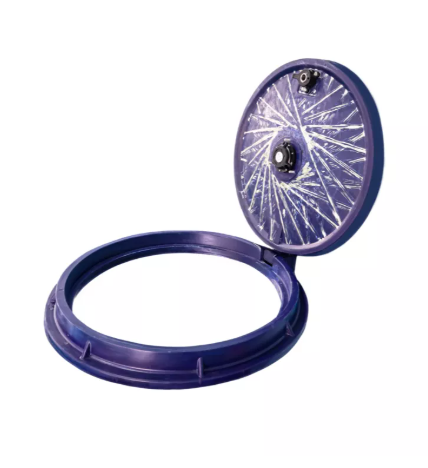
Several regulations govern the safety and installation of manhole covers, ensuring that they meet the necessary standards for durability and safety. For example, OSHA regulations for hazardous environments and EN 124 for load classes are fundamental in protecting both workers and the public. These standards dictate everything from the materials used in manhole cover construction to their load-bearing capacities and installation requirements.
Furthermore, compliance with local laws is essential to prevent legal issues and ensure that infrastructure projects meet safety guidelines. Municipalities and utility companies must regularly assess and update their infrastructure to comply with new regulations. This ensures that manhole covers continue to meet evolving safety standards as cities grow and traffic patterns change.
Regulation | Description | Importance |
OSHA 1910.146 | General industry standard for confined space entry | Protects workers from hazardous environments |
EN 124 | European standard for load-bearing capacity and safety | Ensures manhole covers meet international safety requirements |
ASTM F1142 | Standard for strength and durability of manhole covers | Provides benchmarks for material and structural integrity |
OSHA 1926.953 | Construction standard for safe manhole cover removal | Protects workers during construction and maintenance tasks |
While international and national standards like EN 124 provide broad guidelines, local regulations often introduce additional requirements based on specific environmental and traffic conditions. For example, cities in flood-prone areas may require manhole covers with higher levels of watertight sealing, while coastal cities may prioritize corrosion-resistant materials.Navigating these compliance challenges requires staying up-to-date with evolving standards and adapting to the unique needs of each urban environment.
With the advent of smart technology, manhole covers are becoming more sophisticated. IoT-enabled covers are now equipped with sensors that monitor factors like water flow, gas levels, temperature, and even structural integrity. These smart systems allow for real-time monitoring, enabling cities to proactively address issues such as gas leaks, flooding, or compromised structural conditions.
The integration of smart technology ensures that manhole covers remain secure, reducing the risk of accidents and improving the efficiency of urban infrastructure management. By collecting real-time data on manhole cover conditions, cities can make more informed decisions about maintenance, leading to reduced costs and faster response times in the event of problems.
Automation is also playing an increasingly important role in manhole cover safety. Automated systems can detect tampering or damage, triggering alerts to maintenance teams. By integrating smart systems, cities can reduce the need for manual inspections and ensure faster response times when issues arise.
Corrosion from environmental factors like moisture, salt, and extreme weather can significantly reduce the lifespan of manhole covers. As such, using corrosion-resistant materials such as ductile iron or composites is critical to ensuring the longevity and safety of covers in harsh environments. Regular maintenance and coating treatments also help protect covers from environmental wear.
The shift toward sustainable materials in manhole covers is driven by both environmental concerns and the need for durable, cost-effective solutions. Composite materials and recycled metals are gaining popularity for their lightweight properties and reduced environmental impact. By choosing eco-friendly materials, cities can enhance both the safety and sustainability of their infrastructure.
Material | Sustainability Benefits | Durability | Common Use Cases |
Cast Iron | Long-lasting, recyclable | Very durable but prone to rust | High-traffic areas, roads, highways |
Ductile Iron | Recyclable, lower environmental impact than cast iron | Strong, flexible, resistant to corrosion | Busy urban areas, airports |
Composite | Lightweight, corrosion-resistant, recyclable | Less durable than metals but sufficient for light-duty applications | Pedestrian areas, environmentally conscious zones |
Recycled Materials | Reduced environmental impact, cost-effective | Durability varies depending on the material | Green urban areas, eco-friendly initiatives |
Safety standards for manhole covers are critical for ensuring safe and functional urban infrastructure. They protect public safety, enhance durability, and help cities meet regulatory requirements. As urban areas expand, adopting smart technologies and eco-friendly materials will be vital for shaping the future of manhole cover design.By adhering to these safety standards, cities can prevent accidents, reduce maintenance costs, and improve infrastructure reliability. As cities evolve, the role of manhole covers in protecting infrastructure becomes increasingly important.
Jiangsu Chang'an Manhole Cover Co., Ltd. offers high-quality manhole covers that meet strict safety standards. Their products ensure enhanced durability and reliability, providing lasting value for urban infrastructure projects.
A: Safety standards ensure that manhole covers are durable, reliable, and able to withstand traffic loads, preventing accidents and damage to vehicles and pedestrians.
A: Common materials include cast iron, ductile iron, and composite materials, each offering varying levels of strength, durability, and corrosion resistance.
A: Properly secured manhole covers prevent unauthorized access and protect workers from exposure to dangerous conditions when accessing underground systems.
A: Load-bearing standards like EN 124 ensure manhole covers can handle varying traffic loads, such as those found in pedestrian, vehicle, or heavy-duty industrial areas.
A: Smart manhole covers equipped with sensors can monitor environmental conditions like gas leaks, providing real-time data to ensure safety and timely maintenance.