Views: 0 Author: Site Editor Publish Time: 2025-10-25 Origin: Site


Manhole covers are essential for urban infrastructure, ensuring safety and accessibility. As cities grow, so does the need for innovative manhole cover solutions. Over time, materials and designs have evolved to meet higher demands for durability, safety, and sustainability.
In this article, we will explore the latest trends in manhole cover grating designs, focusing on new materials, smart technology integration, and eco-friendly innovations that will define the future of urban infrastructure.
Manhole covers have come a long way since their inception. Traditionally, manhole covers were made from cast iron, prized for its strength and durability. However, over the years, as the demands on infrastructure increased, ductile iron became more common. Ductile iron is a superior material compared to cast iron due to its increased flexibility and resistance to cracking. It also offers better corrosion resistance, making it more suitable for high-stress environments such as roadways and highways.
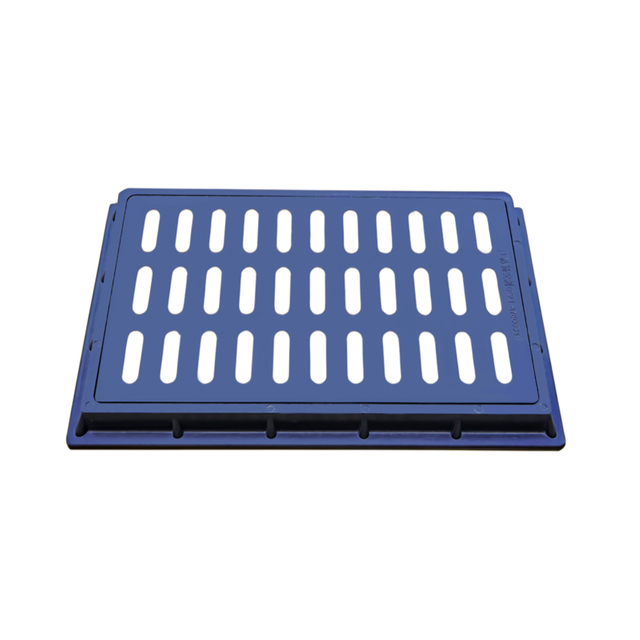
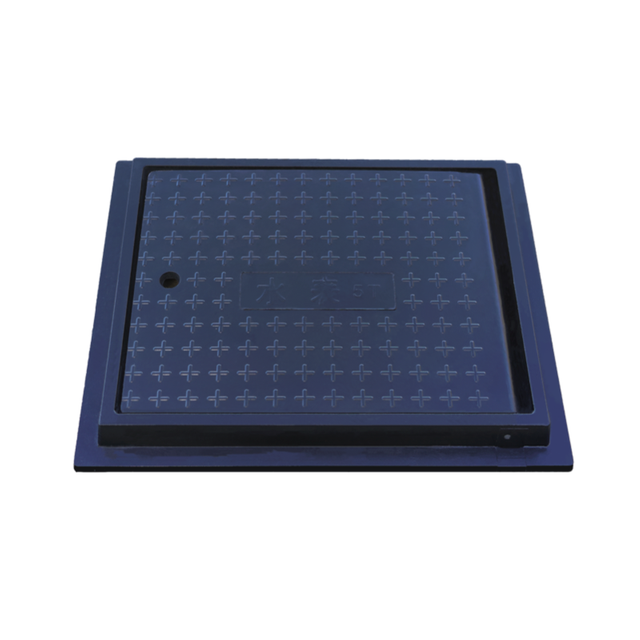
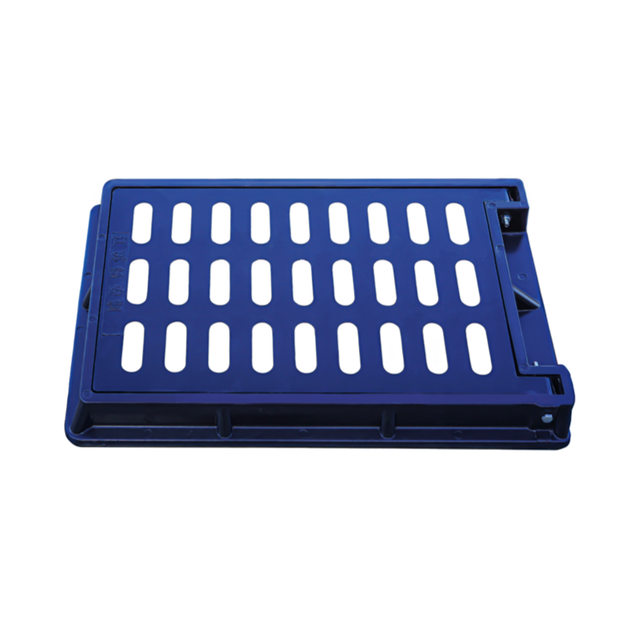
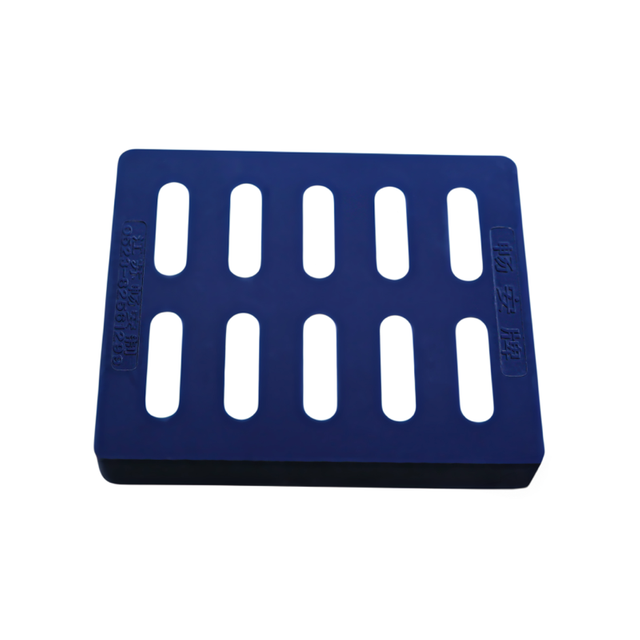
In more recent years, the development of composite materials has revolutionized the manhole cover industry. These materials, such as fiberglass, polypropylene, and composite steel-reinforced concrete, are much lighter than traditional metals. They are also resistant to corrosion and theft, making them highly advantageous for various applications, particularly in areas that require frequent maintenance or replacement.
Urbanization and increased vehicle traffic are two major drivers of change in manhole cover designs. As cities continue to grow and evolve, the demand for durable, high-load-bearing manhole covers has increased. The rise of smart cities and the push for more sustainable urban infrastructure have also accelerated this shift. With more focus on sustainability, environmental concerns have led to a push for more eco-friendly and sustainable materials. Manufacturers are now focusing on materials such as recycled steel, composites, and eco-friendly polymers that help reduce environmental footprints without compromising on durability.
Safety concerns, too, play a significant role in redesigning manhole covers. As pedestrian and vehicular traffic increases in urban areas, the risk of accidents involving poorly designed or damaged covers has become a growing concern. Enhanced design features, such as anti-slip surfaces and tamper-proof mechanisms, are increasingly incorporated to ensure the safety of both workers and pedestrians.
Another emerging trend is the move toward customization in manhole cover designs. Urban planners and designers are realizing that manhole covers are not just functional but can also be used as a canvas for city branding and aesthetic enhancement. Many cities are now opting for custom designs that reflect their cultural identity. Artistic and decorative covers have become popular in cultural districts, parks, and pedestrian areas. For example, some cities use unique logos, patterns, or even 3D designs to make their manhole covers stand out as landmarks, turning them into symbols of local pride.
This trend also helps create a more cohesive urban aesthetic, where functional infrastructure elements blend seamlessly into the environment, adding visual appeal while maintaining safety and durability. In cities like Kolkata and New York, artistic and unique manhole covers are used as part of the city’s branding efforts, contributing to the local culture and tourism.
Composite manhole covers are increasingly gaining popularity due to their lightweight nature, ease of installation, and superior durability. These materials, including fiberglass and polypropylene, are much lighter than traditional metals, making them easier to transport, install, and maintain. Additionally, they are resistant to corrosion and do not rust over time, unlike cast iron or steel. This makes composite materials an ideal choice for environments where rust resistance is crucial, such as coastal or industrial areas. Composite covers also have the advantage of being non-conductive, which makes them safe for installation in environments where electrical conductivity could be a concern.
Furthermore, composite manhole covers are typically more cost-effective over their lifespan. While they may cost more upfront compared to traditional materials, their long-term durability and lower maintenance costs make them a smart investment for cities looking to reduce overall infrastructure expenses.
Material Type | Weight | Durability | Corrosion Resistance | Typical Applications |
Composite (Fiberglass, Polypropylene) | Lightweight | High | Excellent | Coastal areas, industrial sites, low-traffic zones |
Ductile Iron | Heavy | Very High | Good (corrosion-resistant coatings) | High-traffic roads, airports, industrial zones |
Steel Fiber Reinforced Concrete (SFRC) | Moderate | High | Good (environmentally friendly) | Sustainable urban areas, medium traffic zones |
Cast Iron | Heavy | Moderate | Poor (prone to rust) | Older infrastructure, historic districts |
While composite materials are becoming more common, ductile iron remains a preferred choice in areas with heavy traffic or high load requirements. Ductile iron offers excellent tensile strength and impact resistance, making it ideal for roads, highways, and locations where manhole covers must withstand extreme conditions. Advances in alloy formulations have further enhanced the properties of ductile iron, increasing its strength and resistance to corrosion. This makes ductile iron manhole covers suitable for a wide range of applications, from high-traffic urban roads to industrial sites and airport runways.
Ductile iron’s strength-to-weight ratio has also improved, making it more efficient in load-bearing applications. Additionally, its ability to absorb impacts without cracking or breaking ensures the long-term performance of manhole covers in busy urban environments.
With growing environmental concerns, the use of eco-friendly materials in manhole covers has become a focal point for urban planners and infrastructure developers. Steel Fiber Reinforced Concrete (SFRC) is one such innovation. By incorporating steel fibers, SFRC enhances the durability and strength of concrete manhole covers while reducing the environmental impact associated with traditional concrete manufacturing processes.
Recycled materials are also being increasingly used to create manhole covers that contribute to the circular economy. Manufacturers are now using recycled steel, composite fibers, and other sustainable materials to reduce the carbon footprint of manhole covers. This shift to eco-friendly materials aligns with global sustainability goals and helps cities create greener infrastructures.
One of the most exciting developments in manhole cover technology is the integration of IoT (Internet of Things) sensors. These sensors, embedded within manhole covers, allow for real-time monitoring of various conditions, such as temperature, gas levels, and vibrations. For example, gas sensors can detect the presence of harmful gases like methane or carbon monoxide, which are commonly found in underground utility systems. Vibration sensors can detect tampering or theft attempts, while light sensors can confirm whether the cover is securely in place.These sensors send data to a centralized monitoring system, providing authorities with real-time updates on the condition of manhole covers across the city. This technology not only enhances the safety of workers and pedestrians but also helps to prevent costly repairs by detecting issues early.
Real-time monitoring is becoming a crucial aspect of smart city planning. With the integration of wireless communication and cloud-based solutions, city officials can now remotely monitor the condition of manhole covers in real-time. This allows for more efficient maintenance planning, as city workers can address issues like loose covers, flooding, or gas leaks before they lead to larger problems.By using real-time data from smart manhole covers, cities can optimize their infrastructure management, reducing downtime, and improving response times during emergencies. This technology is especially useful for monitoring hard-to-reach or hazardous areas, ensuring that workers can access manholes only when it is safe to do so.
For cities, the benefits of smart manhole covers are clear. They provide cost-effective solutions for infrastructure management, improving safety and reducing long-term maintenance costs. For workers, these innovations make their jobs safer by providing real-time alerts to dangerous conditions, such as gas leaks or mechanical failures. By preventing accidents and facilitating timely maintenance, these technologies help ensure the smooth functioning of urban systems.
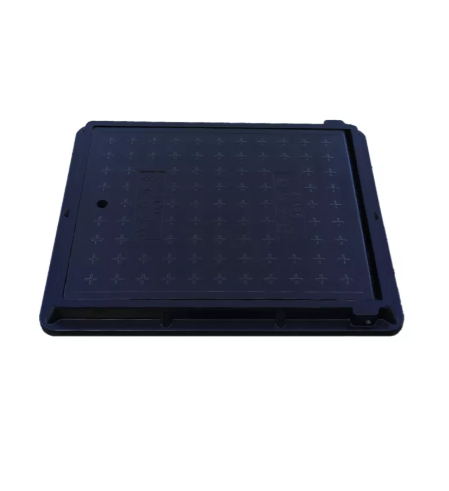
With the increase in heavy traffic and urban development, manhole covers must meet higher load-bearing requirements. The latest load-bearing classifications ensure that covers are capable of withstanding increased pressure from vehicles and machinery. These upgraded classifications include covers designed to handle everything from pedestrian traffic to the weight of industrial vehicles.
For example, in areas with high-speed traffic, such as highways and airports, manhole covers must meet higher load-bearing classes. These covers are made from durable materials like ductile iron, ensuring that they can withstand extreme conditions without compromising safety or functionality.
Load Classification | Load Capacity (kg) | Suitable Locations | Material Type |
A15 | 1,500 | Pedestrian Areas, Sidewalks | Composite, Ductile Iron |
B125 | 12,500 | Residential Areas, Small Vehicles | Composite, Ductile Iron |
C250 | 25,000 | Roads, Light Trucks | Ductile Iron, Steel Fiber Concrete |
D400 | 40,000 | High-Traffic Roads, Trucks | Ductile Iron, Steel Fiber Concrete |
E600 | 60,000 | Airports, Heavy Machinery | Ductile Iron |
As urban infrastructure becomes more advanced, the need for enhanced security in manhole covers has grown. Anti-theft features, such as locking mechanisms and tamper-proof designs, are becoming standard in modern manhole cover systems. These innovations help prevent the theft of valuable materials, such as cast iron, which has been a persistent issue in many urban areas.
In addition to security, anti-slip surfaces are also critical, especially in areas with heavy pedestrian traffic. New manhole covers are being designed with textured surfaces that prevent slips, ensuring safety for both workers and pedestrians. Anti-slip coatings are now common in covers used in wet or icy conditions, providing an added layer of safety.
As safety regulations evolve, manhole covers must comply with stricter standards. New global safety regulations mandate that covers meet specific requirements for weight capacity, durability, and environmental resistance. These standards ensure that manhole covers provide the necessary protection for underground utilities while maintaining public safety.
Sustainability is at the forefront of manhole cover innovation. Manufacturers are now focusing on producing covers made from recycled materials, including steel, plastic, and concrete. These eco-friendly covers help reduce waste and lower the environmental impact of infrastructure projects. By using recycled materials, cities can contribute to the circular economy while maintaining the strength and durability needed for urban infrastructure.
Energy harvesting is another exciting development in the world of manhole covers. Piezoelectric sensors embedded in manhole covers can generate energy from the pressure exerted by passing vehicles. This energy can be used to power sensors or other small devices, contributing to smart city infrastructure. By harnessing this energy, cities can reduce their reliance on external power sources, making their infrastructure more sustainable and energy-efficient.
Circular manhole covers are designed to be easily recyclable at the end of their lifecycle, ensuring that materials are reused rather than discarded. This approach contributes to reducing the demand for raw materials and minimizing waste. The use of circular manhole covers helps cities build more sustainable and resilient infrastructure while reducing the environmental impact of urban development.
As urbanization accelerates, the demand for durable and sustainable manhole covers continues to grow. Cities are expanding their infrastructure to accommodate rising populations, and this expansion includes upgrading existing systems and building new ones. This growing demand is driving innovation in manhole cover materials, designs, and technologies, as cities seek more efficient, sustainable solutions.
The adoption of smart technologies is playing a crucial role in the manhole cover industry. Smart city planning involves integrating IoT-enabled manhole covers into broader urban infrastructure systems, allowing for better data collection, real-time monitoring, and predictive maintenance. As smart cities evolve, manhole covers are becoming an integral part of the digital infrastructure, helping cities become more efficient and resilient.
The global manhole cover market is expected to continue growing, driven by technological advancements, sustainability trends, and urbanization. As cities focus on building smarter, more sustainable infrastructures, the demand for advanced manhole covers—incorporating new materials and technologies—is expected to rise significantly. Manufacturers are focusing on developing smarter, more eco-friendly products to meet the needs of modern cities.
Manhole cover grating technologies in 2025 are evolving rapidly, driven by innovations in materials, smart technologies, and sustainability. From composite materials and advanced alloys to IoT-enabled smart covers, these innovations are reshaping how cities manage their underground infrastructure. As urban areas continue to expand, adopting these new technologies will be crucial for ensuring safe, efficient, and sustainable urban environments. City planners, manufacturers, and infrastructure experts should continue to embrace these innovations to meet the challenges of modern urban living.
Jiangsu Chang'an Manhole Cover Co., Ltd. offers high-quality manhole covers that incorporate these cutting-edge innovations. Their products, designed for durability and safety, provide significant value to urban projects, ensuring both efficiency and sustainability in infrastructure management.
A: The latest innovations in manhole covers include advanced materials like composites, IoT-enabled smart covers, and eco-friendly options that improve durability, safety, and sustainability.
A: Composite materials are lightweight, corrosion-resistant, and durable, making them ideal for urban areas where maintenance and safety are priorities for manhole covers.
A: Smart manhole covers equipped with sensors can monitor real-time conditions, such as gas leaks or damage, ensuring quicker response times and reducing maintenance costs.
A: Ductile iron manhole covers offer excellent strength, corrosion resistance, and flexibility, making them suitable for high-traffic areas and harsh environments.
A: Many modern manhole covers are made from eco-friendly materials and can be recycled, contributing to the circular economy and reducing urban infrastructure's carbon footprint.