Views: 0 Author: Site Editor Publish Time: 2025-10-24 Origin: Site


Have you ever considered the importance of choosing the right manhole cover? Selecting the wrong one can lead to serious safety issues and costly repairs.
In this article, we’ll explore the factors you must consider when choosing a manhole cover grating. You'll learn about material options, load-bearing capacities, and installation tips to ensure your infrastructure is safe, durable, and reliable.
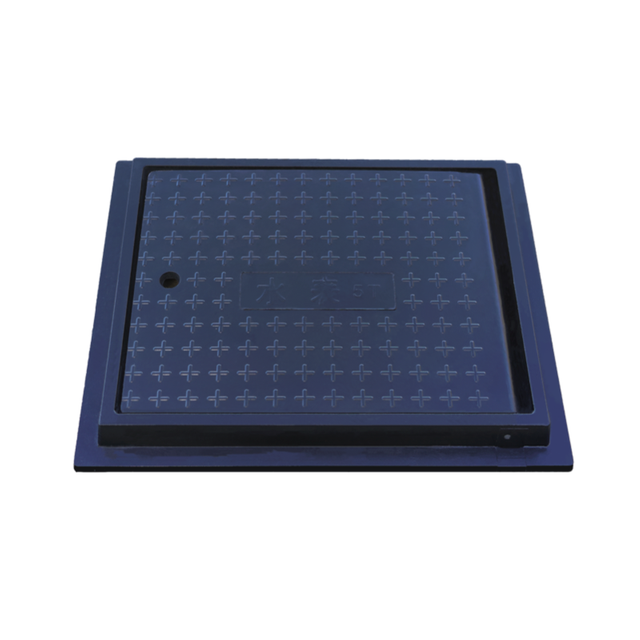
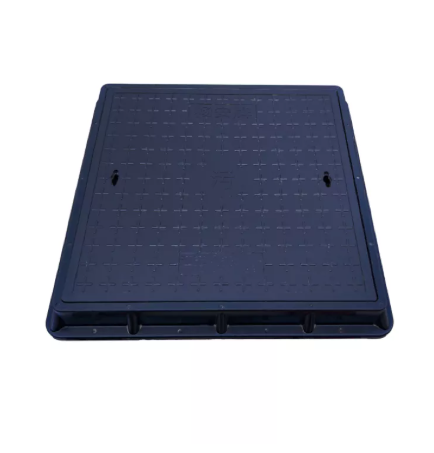
A manhole cover is a solid, removable plate that covers an underground opening, providing access to essential utilities such as sewage, water lines, or telecom networks. These covers serve as safety barriers to prevent accidents while allowing workers access for maintenance and repairs.
Manhole covers are typically made from durable materials such as ductile iron, cast iron, or composite materials. These materials are chosen for their strength, resistance to wear, and ability to withstand heavy loads, especially in high-traffic areas. The choice of material depends on several factors, such as the load capacity, environmental conditions, and the type of traffic the cover will endure. For example, a manhole cover in a city street would need to withstand the weight of vehicles and heavy foot traffic, while a cover in a residential area may not need to be as robust.
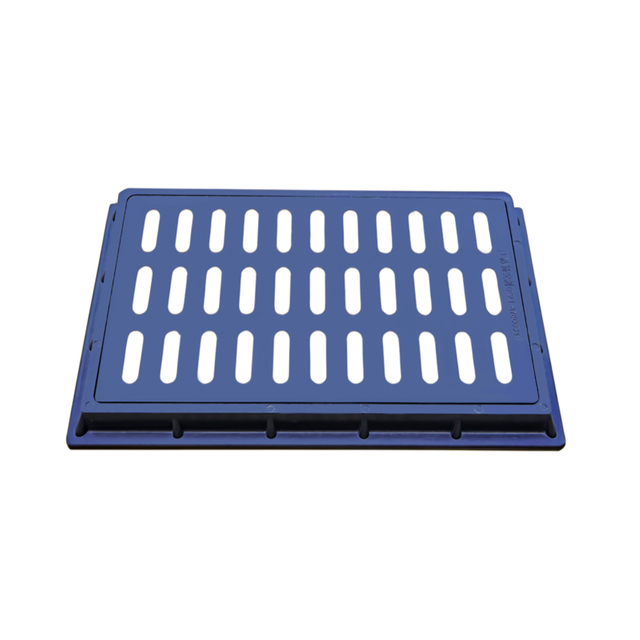
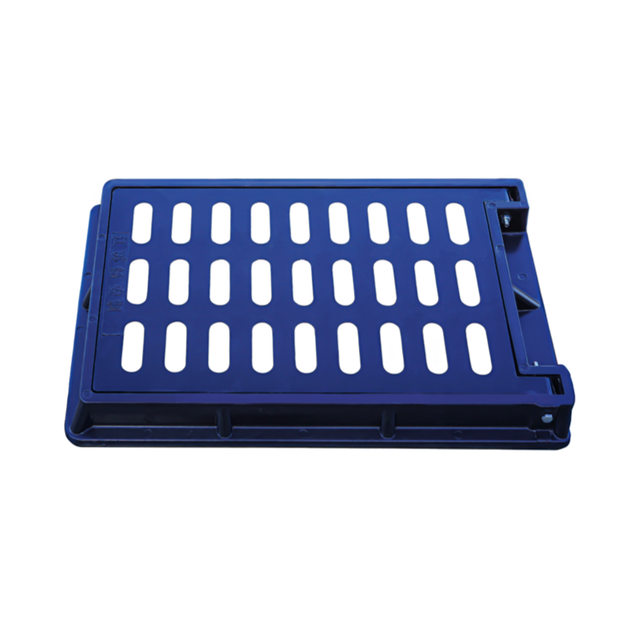
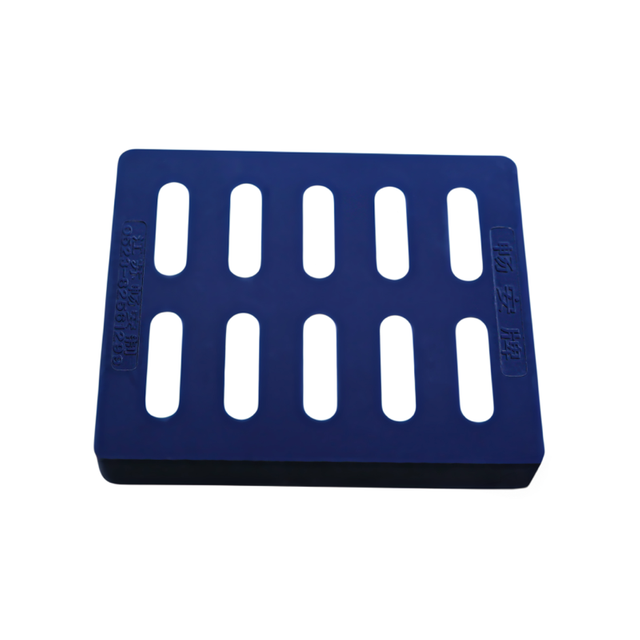
Drain grates are used to cover storm drains or catch basins. Unlike manhole covers, drain grates are designed with slotted openings that allow water to pass through while keeping debris out. These grates help manage rainwater and runoff, reducing the risk of flooding on streets and sidewalks. Without them, streets would be prone to waterlogging and accidents from slippery surfaces.
Materials used for drain grates include steel, stainless steel, polymer concrete, and cast iron. The material selected will vary based on the location and expected traffic load. For instance, steel and stainless steel are often used in high-traffic or corrosion-prone areas, while polymer concrete may be used in environments that require lightweight solutions. Some drain grates are also designed to be corrosion-resistant, which is particularly important in coastal areas or regions that experience harsh weather conditions.
While both manhole covers and drain grates serve protective functions, they differ significantly in design and application. A manhole cover is solid and prevents unauthorized access to underground utilities, whereas a drain grate is open, designed to allow water to flow into drainage systems while preventing debris from clogging them.
It’s crucial to choose the right type for your project: a solid manhole cover is essential for safety and protection, while a grate is needed for effective water management, particularly in flood-prone areas. The choice between a solid cover and a slotted grate largely depends on the function it needs to serve—whether for access or drainage.
The load-bearing capacity is one of the most important factors to consider when selecting a manhole cover. Depending on the location—whether it’s a highway, residential street, or industrial site—the cover needs to be able to withstand varying traffic loads.
The EN 124 standard defines different load classes for manhole covers. These load classes range from A15 for pedestrian areas to F900 for areas that support extremely heavy loads such as airports. For instance, a D400 cover would be ideal for high-traffic roads, whereas a lighter A15 class would be sufficient for a park or residential walkway. Understanding the expected load ensures that the cover can handle the required stress without cracking or causing safety hazards.
Load Class | Maximum Load (Tonnes) | Typical Applications |
A15 | 1.5 | Pedestrian areas, gardens, sidewalks |
B125 | 12.5 | Car parks, driveways, light vehicles |
C250 | 25 | Roads with light traffic |
D400 | 40 | Main roads, highways, heavy traffic |
E600 | 60 | Industrial estates, cargo yards |
F900 | 90 | Airports, docks, extra heavy duty |
Selecting the right material is key to the durability and performance of your manhole cover. The most common materials include:
● Ductile Iron: Known for its superior strength and resilience, ductile iron is ideal for heavy-duty applications, especially in high-traffic areas. It is capable of withstanding the impact from heavy vehicles and extreme weather conditions.
● Cast Iron: A traditional and reliable choice, cast iron is known for its durability but can be prone to corrosion over time, especially in harsh environments. It is still widely used due to its longevity and ability to resist significant wear.
● Composite Materials: Lightweight, corrosion-resistant, and often used for lighter-duty applications, composite covers are ideal for residential or pedestrian areas. These materials are resistant to chemicals and provide a longer lifespan in areas prone to environmental damage.
Each material has its own advantages, so it’s important to choose one that aligns with your project's specific needs, considering factors like traffic, environmental exposure, and expected longevity.
Material | Advantages | Disadvantages | Common Applications |
Ductile Iron | High strength, flexible, corrosion-resistant | Heavy, higher cost | High-traffic areas, industrial zones |
Cast Iron | Strong, durable, corrosion-resistant | Prone to rust, heavy | Urban roads, medium traffic areas |
Composite | Lightweight, corrosion-resistant, non-conductive | More expensive than metal options | Residential areas, pedestrian zones |
Safety is a crucial factor when selecting manhole covers. They must be designed to prevent accidents, such as falls or vehicle damage. Non-slip surfaces and secure locking mechanisms are vital for pedestrian and vehicle safety, especially in high-traffic areas or public spaces.Maintenance is another important aspect. Some materials, like ductile iron, require less maintenance and have a longer lifespan compared to others like cast iron. Regular cleaning and inspection are necessary to ensure that the covers remain safe and functional, particularly in high-traffic or industrial areas where wear and tear can occur quickly.
Feature | Ductile Iron | Cast Iron | Composite |
Non-Slip Surface | Available with textured finishes | Available, but may wear over time | Often includes anti-slip features |
Locking Mechanisms | Typically included for security | Available for high-security areas | Usually not included |
Maintenance Frequency | Low maintenance, resistant to wear | Requires regular inspections | Low maintenance, corrosion-resistant |
For urban areas or high-traffic streets, manhole covers must be able to support heavy loads from vehicles, trucks, and emergency vehicles. Ductile iron and steel are the go-to materials for these applications due to their strength and ability to handle high impact. Ductile iron, in particular, offers excellent performance in areas with heavy traffic.
In residential or low-traffic areas, lighter materials such as composite or polypropylene may be suitable. These materials offer corrosion resistance and are easier to handle, though they may not be able to withstand the heavy load of high-traffic areas.
Recessed covers, which allow surrounding paving or tiles to blend with the cover, are also an excellent choice for pedestrian areas or residential zones, where aesthetics are important. These covers blend seamlessly into the surrounding environment, improving the overall visual appeal of the area while still maintaining functionality.
Industrial sites often have unique requirements, including exposure to chemicals, heavy machinery, and harsh weather conditions. Stainless steel or specially coated gratings offer the strength and corrosion resistance needed for these environments. These materials are ideal for locations such as factories, ports, and chemical plants.
Material | Advantages | Disadvantages | Ideal Use Cases |
Steel | Strong, durable, cost-effective | Can rust in harsh environments | Industrial sites, high-traffic areas |
Stainless Steel | Corrosion-resistant, high strength | More expensive than steel | Coastal areas, chemical plants |
Polymer Concrete | Lightweight, corrosion-resistant, durable | Less impact resistance than metals | Light-duty, residential, pedestrian areas |
Ensuring that your manhole cover fits properly is essential for safety and functionality. The cover must fit securely within the frame, preventing movement or accidental dislodging. Accurate measurements of the clear opening size and frame depth are vital for selecting the correct cover.A poorly fitting cover could lead to safety hazards, such as tripping or the cover shifting under heavy load. Proper installation is key to preventing such risks. Always double-check your measurements and ensure the cover fits tightly within the frame.
For maximum safety, manhole covers should be installed with proper seating and sealing. Installation should be carried out by professionals to ensure that the cover is secure and able to withstand the expected load. It is crucial to make sure that the cover sits flush with the surrounding surface and that there are no gaps.
While the initial cost of a manhole cover may vary based on material and design, it’s important to consider the long-term savings in maintenance and replacement. Opting for durable, high-quality materials may require a higher upfront investment but will reduce the need for frequent replacements and repairs. Over time, this can lead to significant cost savings.
Balancing budget and quality can be challenging, but safety and performance should always be a priority. In areas with high traffic or extreme conditions, it’s better to invest in high-quality, durable materials that will last longer and reduce the risk of accidents. If you’re unsure about the material, opting for a slightly higher load rating and durable material is always a safer investment. Choosing quality materials ensures safety and reduces the risk of future problems, ultimately saving money in the long run.
Selecting the right manhole cover grating is essential for infrastructure safety and durability. Key considerations include load-bearing capacity, material choice, and safety features. Ensuring compliance with standards guarantees reliability.When in doubt, consult with professionals to make the best decision. Prioritize quality to protect your infrastructure and public safety.
Jiangsu Chang'an Manhole Cover Co., Ltd. offers high-quality manhole covers that provide long-lasting durability, impact resistance, and value for your project needs.
A: Manhole covers are used to provide access to underground utilities while protecting workers and preventing accidents.
A: Consider factors like load-bearing capacity, material, and safety features. Ensure the cover meets the traffic requirements and environmental conditions.
A: Common materials include ductile iron, cast iron, and composite materials, each offering different strengths and durability for various applications.
A: Load-bearing capacity ensures the cover can withstand traffic loads, preventing damage or safety hazards in high-traffic areas.
A: Check for compliance with local regulations, use high-quality materials, and ensure proper installation to maintain safety and functionality.