Views: 0 Author: Site Editor Publish Time: 2025-10-28 Origin: Site


Manhole covers play a vital role in protecting underground infrastructure. They ensure safety for pedestrians and vehicles while keeping contaminants out.
In this article, we will explore the pros and cons of steel, concrete, and FRP manhole covers. You’ll learn about their durability, costs, and best use cases.By the end of this post, you’ll understand which material is right for your project based on factors like traffic load and environmental conditions.
Manhole covers are integral components of urban infrastructure, serving as essential protective barriers for underground utilities like water, gas, and sewage systems. These covers prevent accidents by ensuring that pedestrians, vehicles, and other individuals stay safe from falling into deep, uncovered access points. Additionally, manhole covers help maintain the integrity of the underground network by keeping debris, water, and other contaminants out. Their design, material, and durability make them critical in ensuring the safety and functionality of urban spaces.
Manhole covers come in several materials, each offering distinct advantages depending on the environmental conditions, traffic loads, and maintenance requirements of the area. Steel, concrete, and FRP (Fiberglass Reinforced Plastic) are three of the most commonly used materials for manhole covers. Each of these materials has unique benefits that make them suitable for different applications.
Choosing the appropriate material for manhole covers depends on a range of factors. These include the expected traffic load (e.g., heavy vehicles or pedestrians), environmental conditions (such as exposure to chemicals or coastal weather), and the anticipated long-term maintenance requirements. High-traffic roads, for example, require manhole covers that can withstand heavy weight, while areas with a higher likelihood of chemical exposure or saltwater may require corrosion-resistant materials.
It is also essential to consider the installation process, as some materials are heavier and more difficult to handle than others. Furthermore, some materials, like FRP, are more eco-friendly and sustainable, which could be an important factor in a project focused on reducing environmental impact. With these considerations in mind, selecting the right manhole cover material is critical for ensuring both safety and cost-effectiveness in the long term.
Steel manhole covers are known for their exceptional strength and long-lasting durability, making them a top choice for applications where high load-bearing capacity is required. These covers can withstand heavy traffic loads, including those from trucks, buses, and other large vehicles, making them ideal for use in busy roadways and industrial areas. The strength of steel ensures that manhole covers remain intact under intense pressure and continue to perform optimally over time.
Steel's durability makes it an excellent choice for high-traffic areas where performance and longevity are essential. However, it is important to note that while steel provides superior strength, it is also relatively heavy, which can complicate transportation and installation.
Material | Durability | Load Capacity | Best Use Case |
Steel | High | High | Heavy-duty applications (e.g., roads, industrial areas) |
Concrete | Moderate | Moderate | Low to moderate traffic (e.g., residential streets) |
FRP | High | Low | Pedestrian areas, parks, and corrosion-prone environments |
While steel offers significant strength, it is also vulnerable to corrosion when exposed to harsh weather conditions, especially in areas with high humidity or proximity to saltwater. Steel manhole covers are often galvanized to provide some level of corrosion resistance, but even with this protection, regular maintenance and re-coating may still be necessary to preserve their integrity.
Without proper maintenance, steel covers can begin to rust and degrade over time, which could impact their strength and safety. This is particularly a concern for areas exposed to environmental factors like rain, snow, or saltwater. To ensure that steel covers continue to perform well, it is important to implement regular inspections and maintenance routines.
Material | Corrosion Resistance | Maintenance Needs | Frequency of Maintenance |
Steel | Moderate to Low | High (Coating, Repainting) | Regular inspections, re-coating |
Concrete | Low | Moderate | Repair cracks, seal against moisture |
FRP | High | Low | Minimal (occasionally cleaning) |
Steel manhole covers are generally more affordable compared to other materials like FRP or ductile iron. However, while the initial cost may be lower, the long-term maintenance costs should be considered. Regular upkeep may include applying protective coatings to prevent rust, which can add to the overall cost of ownership. For areas where maintenance costs are a critical consideration, steel can still be a viable option, but its potential for corrosion should be factored into the decision.
Material | Initial Cost | Long-term Maintenance Cost | Overall Cost-Effectiveness |
Steel | Moderate | High | Moderate |
Concrete | Low | Moderate | Cost-effective for low traffic |
FRP | High | Low | High long-term savings |
Steel manhole covers, especially those made from cast iron, are often targeted for theft due to their high scrap value. This is particularly problematic in urban environments, where the theft of manhole covers can create significant safety hazards. When a manhole cover is stolen, it leaves an open and dangerous hole in the ground, which can result in accidents or damage to vehicles.To combat this issue, some municipalities and construction projects have started to use locking mechanisms, tamper-proof designs, and even composite covers to reduce the risk of theft. Steel remains a popular choice, but it is important to consider the security implications when selecting this material.
Concrete manhole covers are known for their solid load-bearing capabilities, which makes them suitable for low-traffic areas, parking lots, and residential streets. These covers are designed to support moderate to heavy loads and can handle pressures from cars, light trucks, and pedestrians. However, concrete's load-bearing capacity is limited compared to steel, which makes it less suitable for areas with intense traffic, such as highways or industrial zones.When compared to steel and FRP, concrete's load-bearing capabilities are sufficient for many applications but can be less adaptable to dynamic, high-load conditions. The static nature of concrete’s design means it is most effective in areas with predictable traffic loads.
Concrete is a naturally durable material, making it suitable for long-lasting infrastructure. However, it is more vulnerable to cracking under extreme weather conditions, such as freezing and thawing cycles, or from heavy vehicle impacts. When exposed to moisture, concrete can absorb water, which can lead to cracking and deterioration over time, particularly in colder climates where freezing and thawing occur frequently.In areas with harsh weather, concrete may require more maintenance to ensure it continues to perform optimally. Regular inspections are important to identify any cracks or damage that may need repair, as concrete can become weakened by prolonged exposure to water and extreme temperatures.
One of the key advantages of concrete manhole covers is their lower upfront cost compared to steel and FRP options. Concrete is more affordable and can be a good choice for municipalities or construction projects with budget constraints. Additionally, concrete manhole covers are easy to install, as they are generally lighter than steel and do not require special handling equipment.However, the lower initial cost of concrete may be offset by the increased maintenance requirements and potential for damage over time. As such, while concrete is an affordable option, the long-term performance and repair needs should be considered when making a decision.
Concrete covers are less likely to be stolen compared to steel due to their lower scrap value. This makes them a safer option for areas where theft is a significant concern. Since concrete covers are heavy and not valuable for resale, they are less likely to be targeted by criminals, making them ideal for locations where theft prevention is a priority.
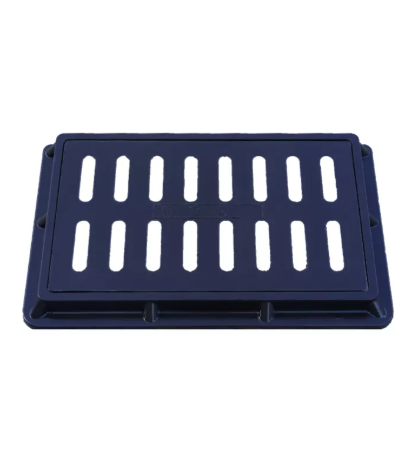
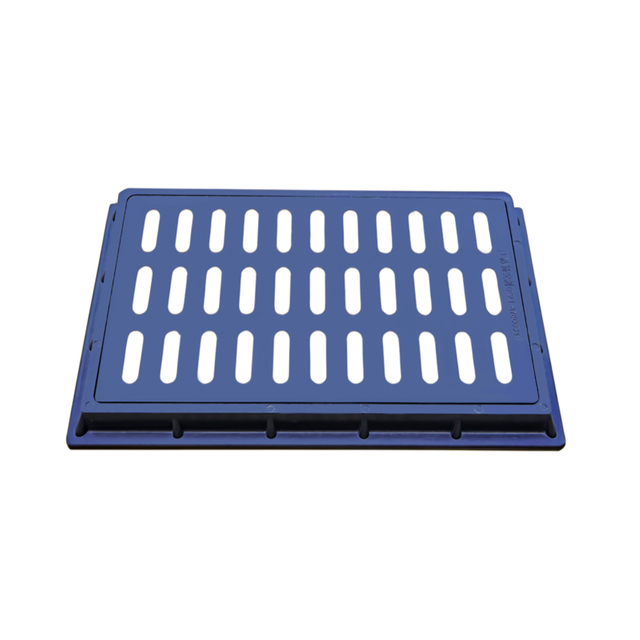
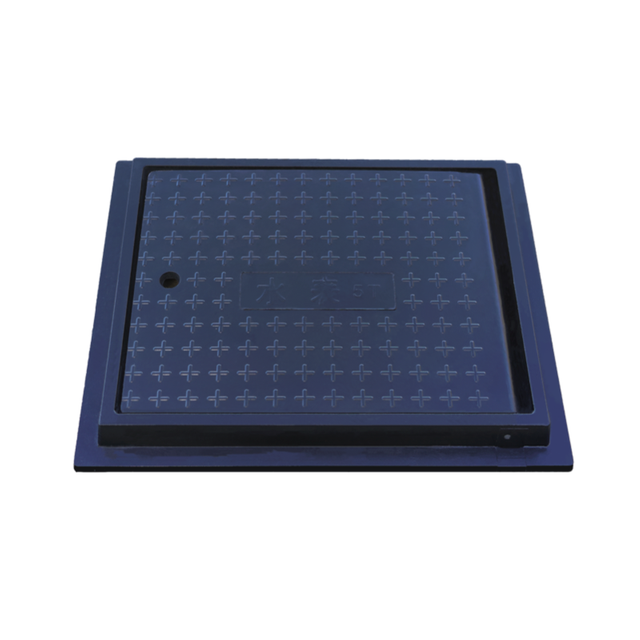
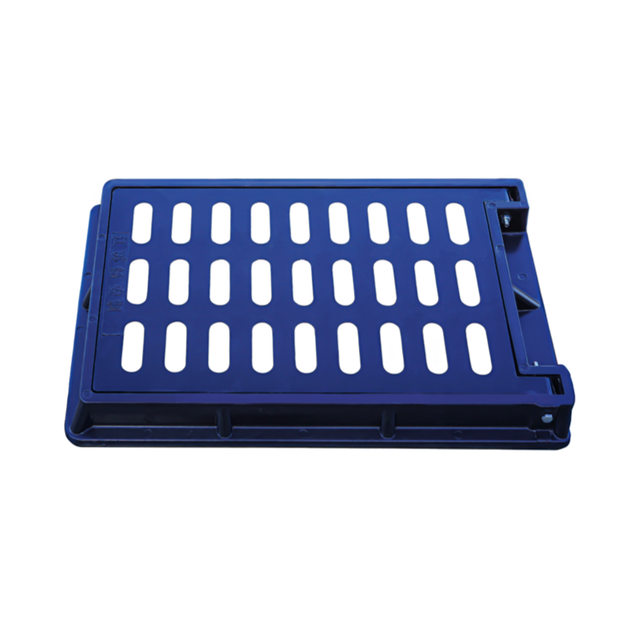
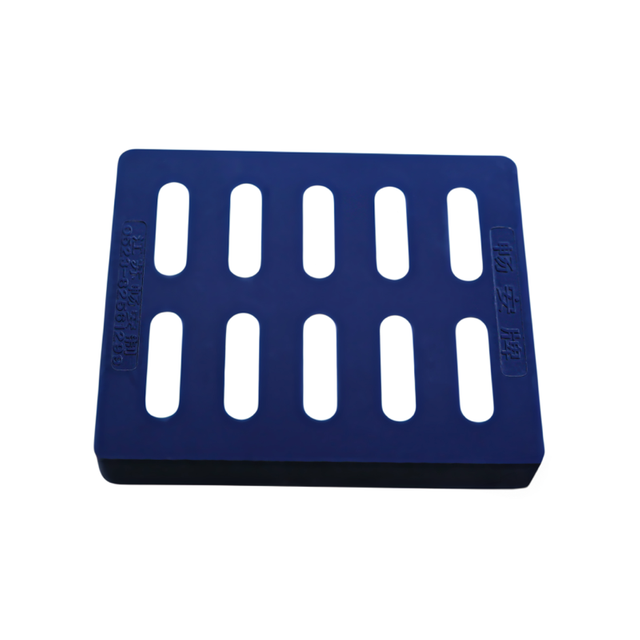
FRP manhole covers are significantly lighter than steel and concrete, making them easier to handle, transport, and install. The lightweight nature of FRP reduces transportation costs and installation time, which can be a considerable benefit for large-scale projects. Additionally, FRP provides excellent corrosion resistance, making it ideal for environments that are exposed to chemicals, saltwater, or high humidity.FRP's non-conductive properties make it a safer option for electrical utility applications, as it prevents electrical hazards. It is an ideal choice for industrial applications where the risk of electrical accidents is a concern.
FRP manhole covers are durable and resistant to wear, but their load-bearing capacity may be lower than that of steel or concrete. This makes FRP a better fit for lighter-duty applications, such as pedestrian areas, parks, and residential streets. While FRP offers excellent corrosion resistance, it is not as suitable for areas with high traffic volumes or extreme load requirements.Advances in FRP manufacturing technology have improved its strength and load-bearing capacity, making it more suitable for a wider range of applications. However, in areas with high vehicular traffic, steel or concrete may still be the preferred choice.
FRP manhole covers are typically more expensive upfront compared to steel and concrete options. However, their long lifespan and minimal maintenance needs can provide cost savings in the long run. FRP’s corrosion resistance means it does not require regular re-coating or repairs, unlike steel, which can rust over time.In terms of environmental impact, FRP is an eco-friendly material. It is made from recyclable materials and is lightweight, which helps reduce carbon emissions during transportation. FRP manhole covers contribute to a more sustainable infrastructure by offering a long-lasting, low-maintenance solution.
FRP manhole covers are resistant to theft because they have little to no scrap value. This makes them an excellent option for areas where theft is a concern. FRP covers also often feature slip-resistant surfaces and ergonomic designs, making them safer for pedestrian-heavy areas. Their lightweight design reduces the risk of injury during installation and maintenance.
Steel excels in high-traffic areas due to its superior strength and ability to withstand heavy loads. Concrete can also handle high traffic but is less flexible under dynamic loads, making it more prone to cracking in such environments. FRP, while excellent in terms of corrosion resistance, falls short in high-load applications and is typically used for lighter-duty purposes.
Steel requires regular maintenance to protect against rust and corrosion, especially in coastal areas. Concrete may crack over time and require frequent repairs, particularly in regions with freeze-thaw cycles. FRP requires the least maintenance, as it resists corrosion and weathering, providing a longer lifespan with minimal upkeep.
Steel and concrete are durable but come with a significant environmental footprint. Steel requires energy-intensive manufacturing processes, while concrete contributes to carbon emissions due to cement production. In contrast, FRP is lightweight and highly recyclable, making it a more sustainable option with a lower environmental impact.
Choosing the right material for manhole covers is crucial. Steel provides strength and durability but requires regular maintenance. Concrete is cost-effective but may not hold up in extreme environments. FRP is corrosion-resistant and lightweight, ideal for specific applications but with lower load-bearing capacity.As cities move towards smarter infrastructure, innovations like IoT integration and sustainable materials will improve manhole cover performance and safety.
Jiangsu Chang'an Manhole Cover Co., Ltd. offers high-quality manhole covers, designed to provide durability and security for various infrastructure needs. Their products offer exceptional performance in demanding environments, making them a valuable choice for urban development projects.
A: The most common types of manhole covers are made from steel, concrete, and FRP. Each offers unique benefits depending on factors like load capacity, corrosion resistance, and installation requirements.
A: FRP manhole covers are lightweight, corrosion-resistant, and require minimal maintenance. They are ideal for pedestrian areas and environments exposed to chemicals or saltwater.
A: Steel manhole covers are generally more expensive than concrete but offer better durability and load-bearing capacity. Concrete is cost-effective upfront but may require more maintenance over time.
A: Yes, steel manhole covers are often targeted for theft due to their high scrap value. Security measures like locking mechanisms are recommended to reduce this risk.
A: Concrete manhole covers are durable but may crack over time due to extreme weather or heavy impact. Regular maintenance is required to ensure longevity.