Views: 0 Author: Site Editor Publish Time: 2025-12-20 Origin: Site


Water grates are crucial for effective urban drainage. As cities face rapid growth and more extreme weather events, these components are under increasing pressure to perform better.
In this article, we will explore the latest trends in water grate design and materials for 2025. You will learn how innovations like smart technologies, sustainable materials, and modular systems are shaping the future of water management in urban areas.
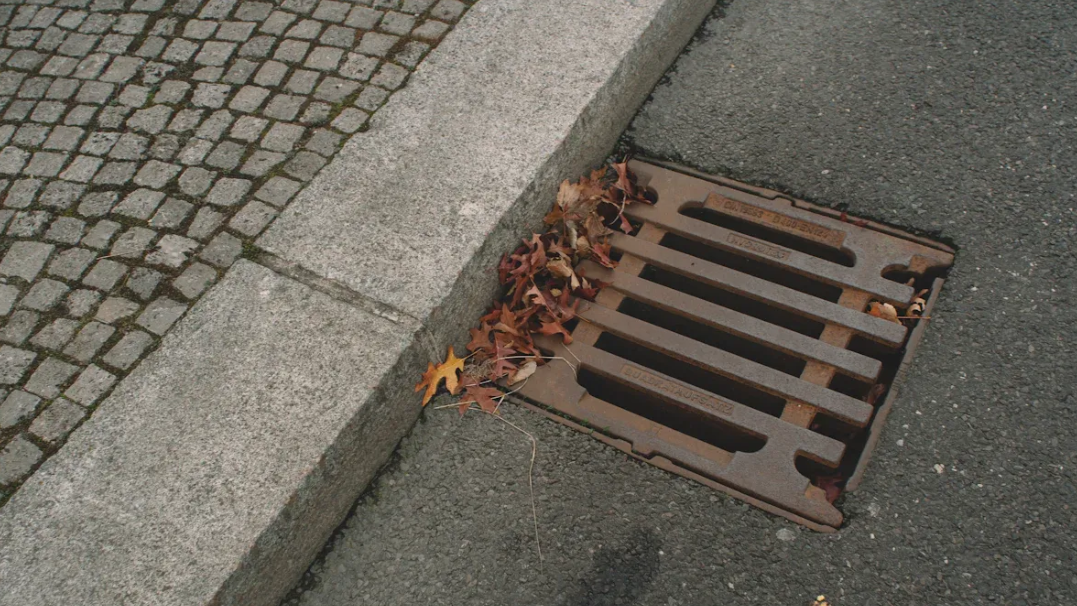
As cities embrace the concept of "smart cities," water grates are being integrated with sensors and data collection technologies to monitor water flow, blockages, and potential flooding events in real-time. These sensors provide valuable data that can help predict and prevent drainage issues before they turn into major problems, minimizing disruptions and damage.
Integration of Sensors and Data Analytics: The real-time data collection provided by these sensors helps cities react immediately to changes in weather patterns and drainage conditions. This proactive approach not only reduces maintenance costs but also helps prevent major flooding events by addressing drainage issues before they become critical. Cities can use the data for predictive analytics, adjusting water flow management systems based on upcoming weather forecasts, ensuring efficiency and minimizing the risk of blockages.
Adaptive Water Management for Flood Prevention: Smart water grates can automatically adjust their drainage capacity based on live data. This means they can respond to sudden rainfall events or changing weather conditions, preventing flooding in urban areas. By optimizing drainage capacity in real-time, these smart systems help ensure water is managed efficiently, reducing the chances of urban flooding and waterlogging. Installing smart water grates in flood-prone areas can greatly reduce the risk of urban flooding by allowing immediate interventions based on real-time data, preventing costly damage and improving overall water management.
Modular water grates are becoming increasingly popular due to their flexibility and scalability. These modular systems can be installed in different configurations and easily expanded as urban areas grow, addressing the increasing demand for efficient drainage solutions in both new and existing infrastructure projects.
Ease of Installation and Future Expansion: One of the main advantages of modular water grates is their ease of installation. These systems can be quickly deployed with minimal disruption to existing infrastructure. Moreover, the modularity of the design allows for future expansion, enabling cities to scale their drainage systems in response to population growth and urban development without overhauling entire systems.
Adapting to Urban Growth and Changing Needs: Modular systems are adaptable, offering the flexibility to respond to shifting urban requirements. For example, if a neighborhood experiences rapid growth, the drainage system can be expanded without needing to replace the entire setup. These systems can be customized to meet the specific needs of an area, whether for managing increased traffic, higher water runoff, or different seasonal rainfall patterns. Opting for modular water grates provides long-term cost savings as cities can scale up or modify drainage systems to meet future needs, making them a smart investment for both new developments and infrastructure upgrades.
Green infrastructure is becoming an integral part of modern urban planning, helping cities manage stormwater naturally. By combining water grates with rain gardens, permeable pavements, and other natural elements, these systems work together to enhance water quality, reduce runoff, and improve overall urban ecology.
Combining with Rain Gardens and Permeable Surfaces: Modern water grates are now often designed to integrate with permeable surfaces and rain gardens. These features allow water to soak back into the ground, replenishing groundwater and reducing surface runoff. This eco-friendly approach not only manages water more effectively but also helps mitigate the urban heat island effect and improves air quality.
Innovative Tree Grate Designs for Urban Environments: Tree grates are designed to allow rainwater to reach tree roots, promoting tree health in urban areas. In addition to providing valuable green spaces, these grates help manage urban runoff and prevent soil erosion, ensuring that trees thrive in challenging environments. By enhancing the functionality of urban trees, these grates contribute to overall environmental sustainability. Incorporating green infrastructure with water grates can help cities manage water more efficiently and improve their environmental impact, creating more sustainable urban spaces.
To summarize the key trends shaping water grate design, here’s a comparison of the main features, benefits, and application areas:
| Trend | Key Features | Benefits | Application Areas |
|---|---|---|---|
| Smart Water Grates | Sensors, real-time monitoring, data analytics | Flood prevention, predictive maintenance | Urban areas, flood-prone zones |
| Modular Design Systems | Easy installation, scalable, flexible components | Adaptable to growth, cost-effective | Residential, commercial, large-scale |
| Green Infrastructure Integration | Rain gardens, permeable surfaces, tree grates | Reduces runoff, improves water quality | Parks, streets, public spaces |
| Adaptive Water Management | Automatic adjustment based on weather and data | Efficient use of resources, prevents flooding | Commercial properties, city-wide grids |
Sustainability is a driving force behind the design and material selection of modern water grates. The move toward eco-friendly materials helps reduce environmental footprints while maintaining the high performance required of urban drainage systems.
Recycled Plastics and Composite Materials: Using recycled materials, such as high-density polyethylene (HDPE), for water grates reduces the need for virgin plastics, thereby reducing waste and minimizing the environmental impact of production. These recycled materials are strong, lightweight, and long-lasting, making them an ideal choice for urban drainage systems.
Natural Materials for Sustainable Water Grates: Natural materials like rubber and bamboo are gaining attention in the design of water grates. These materials are biodegradable, environmentally friendly, and contribute to sustainability goals. As demand for green building materials increases, the use of such sustainable materials will continue to rise. Choosing water grates made from recycled and natural materials can significantly reduce the environmental impact of urban drainage systems, making them a more sustainable option for cities looking to meet sustainability targets.
Here’s a comparison of the sustainable materials used in water grates, showcasing their benefits and environmental impact:
| Material Type | Key Benefits | Common Applications | Sustainability Impact |
|---|---|---|---|
| Recycled Plastics (HDPE) | Lightweight, strong, long-lasting | Urban drainage, stormwater management | Reduces plastic waste, eco-friendly |
| Stainless Steel | Corrosion-resistant, durable | High-traffic areas, industrial settings | Highly recyclable, long lifespan |
| Aluminum | Lightweight, corrosion-resistant | Residential, commercial applications | Recyclable, low maintenance |
| Rubber | Flexible, weather-resistant | Tree grates, landscaping | Biodegradable, renewable resource |
| Bamboo | Biodegradable, eco-friendly | Green infrastructure, urban spaces | Renewable, low environmental impact |
Metals and polymers are commonly used in water grates due to their durability, flexibility, and resistance to corrosion. These materials ensure that water grates can withstand the rigors of urban environments, including exposure to extreme weather, chemicals, and heavy traffic.
Corrosion-Resistant Metals for Longevity: Stainless steel, aluminum, and other corrosion-resistant metals are widely used in water grates due to their strength and resistance to rust. These materials ensure that water grates can withstand the harshest weather conditions, maintaining their performance and appearance over time. Metals also offer an aesthetically pleasing, modern look for urban areas.
Polymer-Based Grates for Flexibility and Resistance: Advanced polymers, such as HDPE and polypropylene, offer excellent resistance to chemicals and corrosion while providing flexibility in design. These materials are ideal for use in areas with shifting or uneven terrain, as they can easily conform to changes in the landscape. For areas subject to extreme weather or heavy use, opt for corrosion-resistant metal grates that provide long-lasting durability and require minimal maintenance.
Concrete remains a staple material for water grates due to its incredible strength and durability. Innovations in concrete design and surface coatings have improved its performance, particularly in harsh urban environments where grates need to withstand high loads and extreme weather conditions.
High-Strength Concrete for Heavy-Duty Use: Reinforced concrete is used in water grates designed to withstand heavy vehicles and high-impact areas. Its ability to handle large volumes of water and pressure makes it ideal for high-traffic commercial and industrial areas.
Advanced Coating Technologies for Reduced Maintenance: Coatings such as epoxy, galvanizing, and powder coating help protect concrete from the elements. These protective layers extend the lifespan of concrete grates by reducing the risk of corrosion and damage, lowering the need for frequent maintenance. Concrete grates with advanced coatings offer a high-strength, low-maintenance solution for industrial and heavy-duty applications, providing long-lasting performance in challenging environments.
Water grates are no longer purely functional but are now designed to complement the urban landscape. As cities evolve, the visual appeal of water grates is becoming as important as their performance, leading to innovations that seamlessly blend form and function.
Sleek and Minimalist Water Grates for Modern Landscapes: Designers are increasingly opting for minimalist, sleek water grates that blend harmoniously with urban landscapes. These grates are not only practical but also enhance the overall aesthetic of streets, parks, and public spaces.
Customization Options for Unique Designs: The trend toward customization allows urban planners and developers to choose from a variety of colors, materials, and patterns, tailoring the design of water grates to meet specific architectural and environmental needs. Customization ensures that drainage systems contribute to a cohesive, aesthetically pleasing urban design. Choosing customizable water grates helps align drainage systems with the aesthetic goals of urban development projects, offering both functional and visual benefits.
Innovative water grate designs are also focusing on multiple functionalities. These multi-functional grates can serve as more than just drainage solutions, playing a role in enhancing the overall urban experience.
Integration with Hardscapes for Better Drainage: Water grates are increasingly integrated into pathways, driveways, and other hardscape features. This integration ensures that water runoff is effectively managed while maintaining the functionality and aesthetics of the surrounding area.
Durable and Low-Maintenance Grates for Long-Term Use: Many modern water grates are designed for durability and ease of maintenance. These grates require minimal upkeep while maintaining high levels of performance, making them ideal for use in high-traffic public spaces and commercial areas. Multi-functional water grates improve the overall efficiency and durability of urban drainage systems while contributing to sustainable urban development.
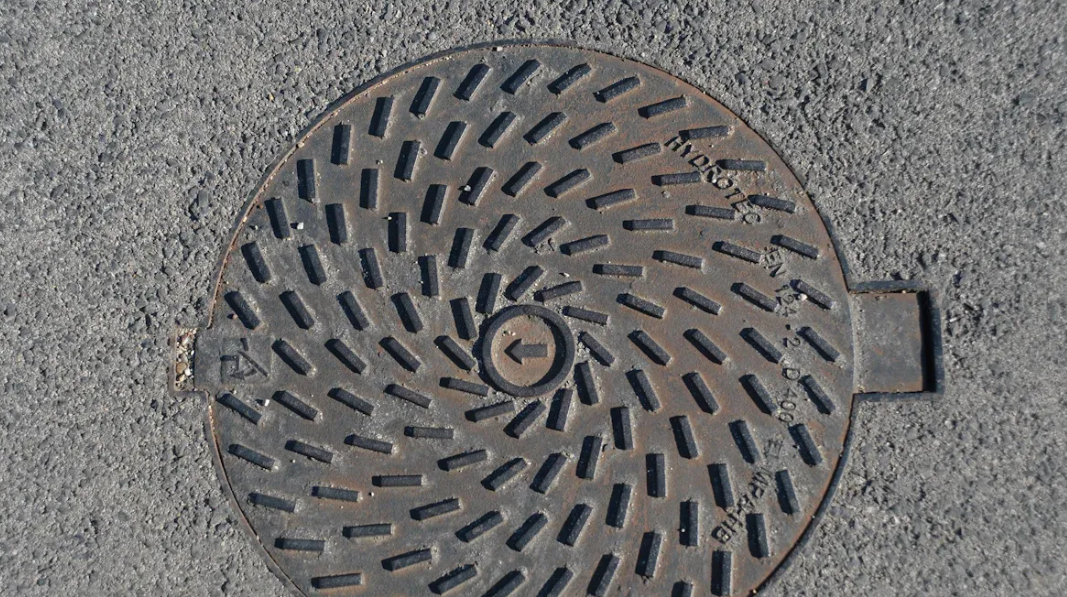
Water grates play a critical role in both residential and commercial applications. While residential grates must blend with the surrounding landscape, commercial grates must handle heavier traffic and larger volumes of water.
Design Preferences in Residential Drainage Solutions: Homeowners and developers are increasingly seeking water grates that not only manage water runoff effectively but also complement the aesthetics of their properties. These grates are often integrated into garden paths, driveways, and other landscape features.
Commercial Applications for High-Traffic Areas: In commercial and public spaces, such as shopping centers, office complexes, and plazas, water grates must be durable enough to handle high foot traffic and large amounts of water runoff while maintaining an attractive design. For commercial properties, choosing durable and aesthetically pleasing water grates that can handle high traffic and large water volumes ensures both functionality and visual appeal.
Water grates are vital for municipal drainage systems, ensuring that urban environments can effectively manage stormwater and prevent flooding. Large-scale urban projects require water grates that can handle substantial water volumes and endure harsh environmental conditions.
Upgrading Urban Drainage Systems for Flood Control: As cities grow, upgrading urban drainage systems with advanced water grates helps prevent flooding, protect infrastructure, and improve water management efficiency.
Ensuring Resilience in Public Infrastructure Against Climate Change: With climate change leading to more extreme weather events, municipalities must adopt resilient drainage solutions that can handle increased rainfall and other climate challenges. For large-scale urban projects, prioritizing water grates that can withstand extreme weather conditions and offer long-term resilience against flooding ensures robust urban infrastructure.
The trends in water grate design and materials for 2025 emphasize improved functionality, sustainability, and adaptability. Smart technologies, modular designs, and eco-friendly materials are reshaping urban water management systems. These innovations not only enhance flood prevention but also support sustainable urban development.
As cities expand and face climate challenges, these advanced water grate solutions are key to building resilient, future-proof drainage systems. Adopting these innovations ensures long-term flood resilience and sustainability.
Jiangsu Chang'an Manhole Cover Co., Ltd. offers cutting-edge solutions with their durable, eco-friendly products that provide value in modern water management. Their products ensure high-performance and sustainability for urban infrastructure projects.
A: The latest trends focus on smart technologies, modular designs, and eco-friendly materials. Water grates are becoming more adaptive, with real-time monitoring and smart systems that manage drainage based on weather conditions.
A: Smart water grates use sensors and real-time data analytics to monitor water flow and adjust drainage capacity automatically, preventing flooding in urban areas by optimizing water management systems.
A: Sustainable materials like recycled plastics, bamboo, and rubber reduce environmental impact, making water grates eco-friendly while maintaining high performance and durability in urban drainage systems.
A: Modular water grates offer flexibility and scalability, allowing for easy installation and future expansion. They adapt to changing urban needs and can be customized to manage varying water volumes.
A: Integrating water grates with green infrastructure, such as rain gardens and permeable pavements, reduces runoff, improves water quality, and promotes sustainability in urban spaces.
A: While eco-friendly materials may have a higher initial cost, they provide long-term savings by reducing maintenance needs and improving the sustainability and resilience of urban drainage systems.