Views: 0 Author: Site Editor Publish Time: 2025-12-13 Origin: Site


Flooding is a growing concern in urban areas due to climate change. As storms intensify, many drainage systems struggle to cope with the excess water. But there’s a crucial yet often overlooked component in these systems — water grates.
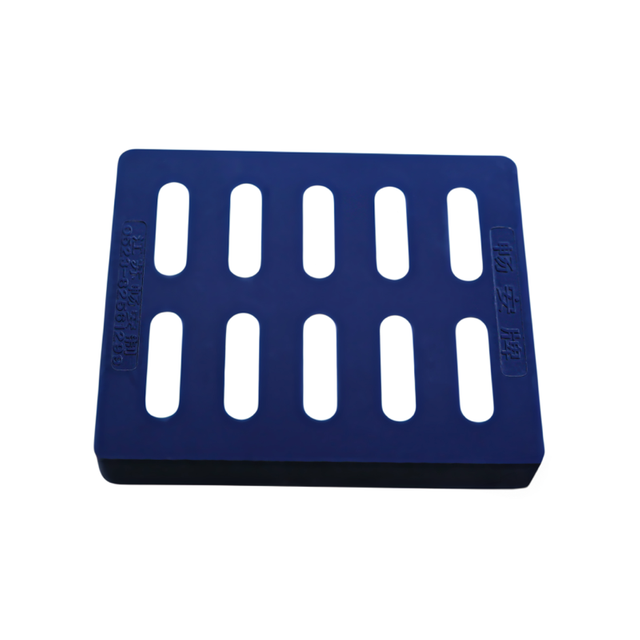
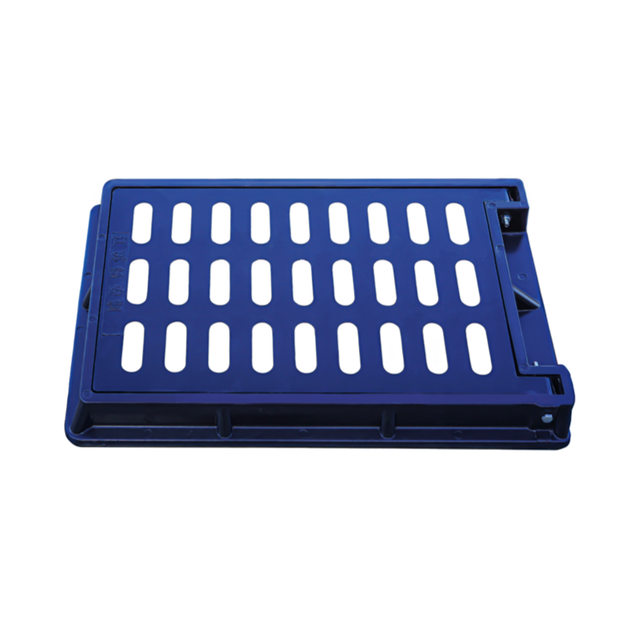
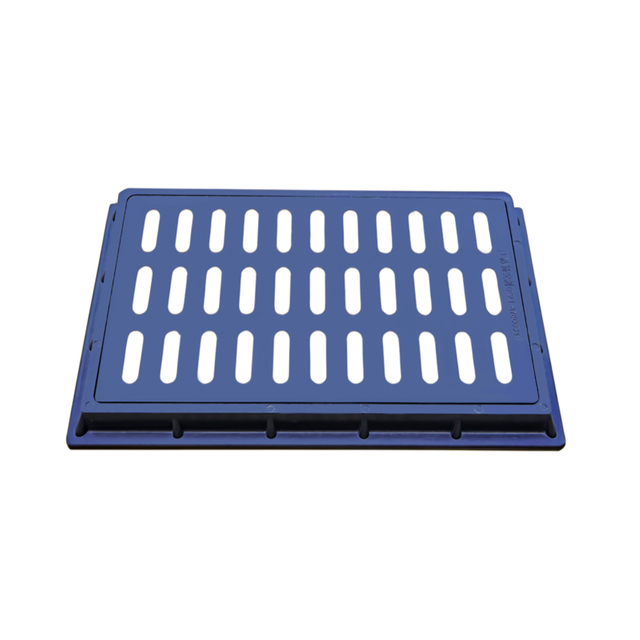
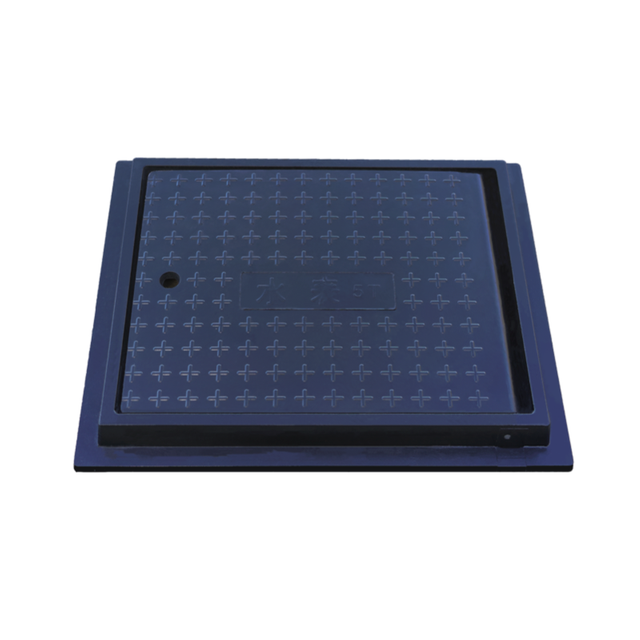
Water grates ensure the smooth flow of water into drainage channels, preventing accumulation on streets and sidewalks. In this article, we’ll explore why water grates are essential for modern drainage systems, their key functions, materials, and designs.
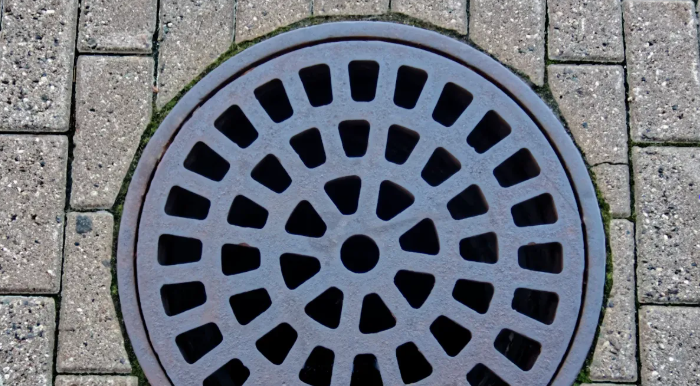
Flooding and water accumulation are major concerns in urban drainage systems, particularly during heavy rainstorms. Water grates serve as the first line of defense by efficiently managing stormwater runoff, allowing rainwater to flow freely into the drainage system without causing blockages. Without these grates, excess water would accumulate on streets, creating hazardous conditions and potentially damaging infrastructure.
A well-designed water grate helps reduce the chances of clogs and blockages, ensuring the system continues to function effectively. Water grates are designed with multiple slots or perforations that allow water to flow through while blocking larger debris. This is especially important in flood-prone areas, where water can quickly overwhelm drainage systems. By allowing rainwater to pass through freely into drainage channels, water grates prevent costly infrastructure damage and help maintain safety during storms. When installing water grates, it is essential to place them in the right locations to channel water away from high-risk areas like basements and low-lying properties, reducing the risk of flooding.
Water grates not only manage water flow but also play a significant role in preventing environmental pollution. As rainwater flows off urban surfaces like roads and rooftops, it often carries with it debris, oil, chemicals, and other pollutants. Water grates are designed to capture large debris such as leaves, trash, and branches, preventing these materials from entering the drainage system, which could otherwise lead to clogged pipes and polluted waterways.
In addition to blocking debris, modern water grates often feature additional filtration systems or silt traps that help remove smaller particles from the water before it enters the drainage network. This helps prevent the contamination of natural water sources and protects aquatic ecosystems from harmful pollutants. Water grates with built-in filters significantly contribute to preserving water quality by minimizing pollutants entering the drainage system, ensuring that water that is diverted into local rivers or lakes is cleaner and safer.
Water grates also play an important role in improving safety, especially in high-traffic areas such as sidewalks, parking lots, and streets. Many water grates are designed with slip-resistant surfaces that help prevent accidents by reducing the risk of slips and falls in wet conditions. This feature is particularly important in public spaces, where large numbers of people walk daily, such as parks, plazas, and transportation hubs.
By using durable materials like stainless steel or cast iron and incorporating anti-slip features into their design, water grates ensure pedestrian and vehicle safety, even during rain or snow. The ability to walk or drive over a grate without slipping or causing accidents is vital for maintaining public safety and accessibility. When choosing water grates for pedestrian-heavy areas, it is essential to prioritize slip-resistant models to improve safety and minimize liability concerns for property owners and municipalities.
In residential settings, water grates are often installed in basements, gardens, driveways, patios, and other outdoor areas to manage water runoff and prevent flooding. Water grates help divert water away from foundation walls and crawlspaces, preventing water infiltration that could lead to mold growth, structural damage, and costly repairs.
In addition to preventing water damage, water grates contribute to the overall longevity of the drainage system. They help maintain the smooth flow of water by preventing the buildup of debris and silt in the drainage channels. Regular maintenance and proper installation of water grates are crucial to ensuring the drainage system functions as intended. In areas prone to heavy rainfall, homeowners should consider installing grates with larger openings to accommodate greater volumes of water, ensuring their homes stay protected from flooding.
For commercial and industrial properties, such as warehouses, parking lots, and manufacturing plants, water grates must be designed to handle heavy loads and high volumes of water runoff. These facilities are often exposed to large amounts of water, particularly in areas with high foot or vehicle traffic, making durable, heavy-duty grates a necessity.
Materials like ductile iron, aluminum, and stainless steel are ideal for commercial and industrial water grates, as they can withstand heavy weights, harsh weather conditions, and chemical exposure. Water grates in these areas are designed to efficiently manage stormwater while maintaining the integrity of the infrastructure. Properly sized grates ensure that water does not accumulate in high-traffic areas, preventing accidents and protecting both workers and vehicles from flooding-related hazards. When selecting water grates for commercial and industrial use, it is essential to choose grates with high load-bearing capacities to ensure safety and longevity.
Water grates are essential for managing stormwater runoff in roadways, highways, and other public spaces. Roads experience large volumes of water during storms, and water grates help divert this water into the drainage system, reducing the risk of flooding and making travel safer. Without water grates, water could pool on the road surface, leading to hydroplaning, which is a significant hazard for drivers.
Water grates installed in roadways must meet specific load-bearing standards to support the weight of vehicles. Additionally, they must be designed to withstand the corrosive effects of weather, salt, and chemicals, particularly in areas prone to winter weather. When installing water grates along roads or highways, it is crucial to select designs that are specifically built to handle vehicle traffic and environmental stress, ensuring that water is effectively diverted from the road surface and into the drainage system.
Water grates come in a range of materials, each with its unique advantages. Common materials used in water grate manufacturing include:
| Material | Advantages | Ideal Application |
|---|---|---|
| Plastic (HDPE) | Lightweight, corrosion-resistant, affordable | Residential or light-duty applications |
| Cast Iron | Durable, heavy-duty, long-lasting | Commercial, industrial, high-traffic |
| Ductile Iron | Flexible, strong, resistant to wear | Heavy-duty areas like roads, highways |
| Stainless Steel | Corrosion-resistant, chemical resistant | Harsh environments, coastal areas |
| Fiberglass | Abrasion-resistant, long lifespan | Industrial applications, high durability |
Choosing the right material depends on factors such as the expected load, exposure to corrosive elements, and the specific environment in which the grates will be installed. For areas prone to heavy traffic or harsh weather, materials like cast iron or stainless steel may be the most appropriate. When selecting materials for water grates, consider the local climate, traffic levels, and potential chemical exposure to ensure durability and functionality.
The design of water grates is a crucial factor in ensuring optimal water flow and preventing blockages. Different grate designs serve specific purposes depending on the drainage requirements. Common designs include:
| Grate Design | Description | Ideal Use Case |
|---|---|---|
| Mesh Grating | Criss-crossed slots to block debris while maximizing water flow | Residential, light-duty applications |
| Diagonally Slotted Grates | Angled slots for high-volume water passage | Areas with large water volumes (e.g., swimming pools) |
| Solid Grates | Narrow slots, suitable for aesthetic and minimal water flow needs | Gardens, public spaces, low water flow areas |
When selecting a grate design, consider the amount of water that needs to be managed, the type of debris present, and the specific environment in which the grate will be installed. Consider the type of area (residential, industrial, or roadway) and the water flow needs when selecting the appropriate grate design.
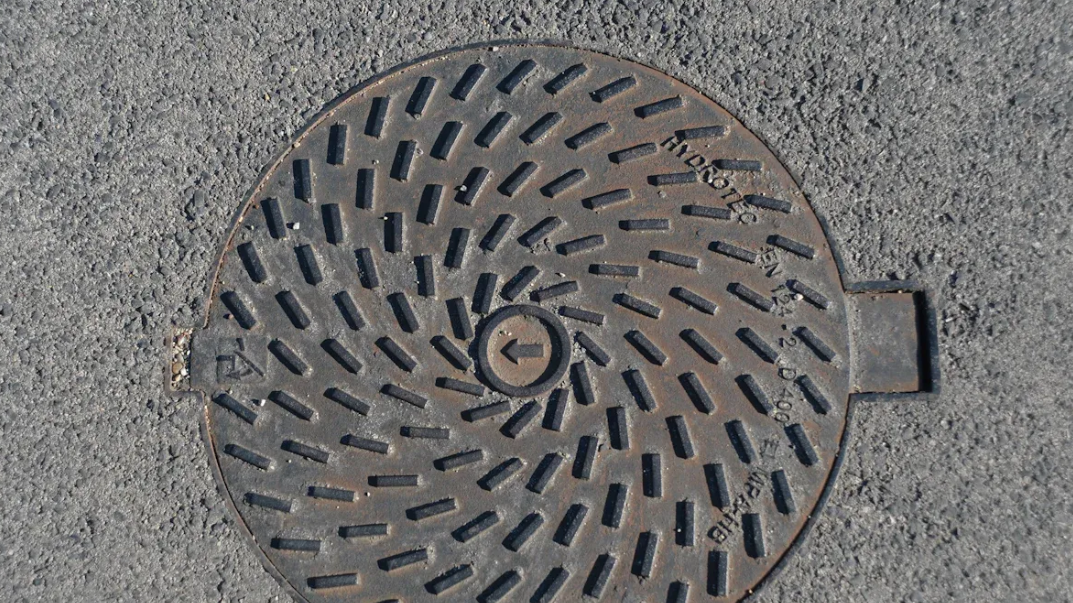
Water grates help prevent water infiltration into infrastructure, which can lead to significant damage over time. By diverting water away from roads, buildings, and other structures, grates reduce the risk of corrosion, erosion, and structural decay. This proactive measure helps extend the lifespan of roads and buildings, reducing the need for costly repairs and replacements.
Proper installation of water grates, especially in high-risk areas like basements, crawlspaces, and foundations, ensures that these areas remain dry and protected. Water grates can significantly reduce the risk of water-related damage to infrastructure, minimizing repair costs and improving the overall resilience of buildings and roads.
Urban sewer systems are often overwhelmed by excessive water runoff, leading to blockages and overflows. Water grates help alleviate this strain by efficiently channeling rainwater into the sewer system, reducing the chances of flooding and sewer backups. These grates help ensure that the stormwater is directed away from vulnerable areas, maintaining the efficiency of urban infrastructure.
By improving water flow and reducing the volume of water that enters sewer systems, grates play a vital role in maintaining the efficiency and longevity of urban infrastructure. Implementing a comprehensive stormwater management plan with strategically placed water grates can significantly reduce the pressure on municipal sewer systems and prevent costly upgrades or repairs.
To ensure that water grates remain effective, regular inspections and cleaning are essential. Over time, grates can become clogged with debris, dirt, and silt, which can reduce their efficiency and cause blockages. Periodic cleaning and maintenance help ensure that water flows smoothly through the drainage system, preventing backups and minimizing the risk of flooding.
It is also important to inspect water grates for cracks or loosened fittings that may develop over time. Identifying these issues early on can prevent costly repairs or replacements in the future. Scheduling routine inspections and cleanings of water grates, especially in high-traffic or flood-prone areas, will maintain their effectiveness and extend their lifespan.
In addition to regular cleaning, long-term maintenance strategies should include checking for corrosion, wear, and tear, particularly in areas exposed to harsh environmental conditions. Materials like stainless steel and fiberglass require less maintenance than cast iron or plastic, but all grates should be monitored for signs of damage or deterioration.
Proactive maintenance helps prevent water damage, ensuring that water grates remain functional and reliable for years to come. Implementing a long-term maintenance plan for water grates can significantly reduce repair costs, prevent unexpected failures, and improve the overall reliability of the drainage system.
Water grates are a vital part of modern drainage systems, preventing flooding and safeguarding infrastructure. They help manage stormwater runoff, ensuring water flows efficiently while keeping public spaces safe. By selecting the right materials and designs, businesses and homeowners can improve drainage system longevity and performance. Investing in high-quality water grates ensures effectiveness, especially during extreme weather. For reliable solutions, companies like Jiangsu Chang'an Manhole Cover Co., Ltd. offer durable and innovative products, enhancing the value and performance of drainage systems.
A: Water grates are essential components in drainage systems that allow water to flow while blocking debris. They help prevent flooding and protect infrastructure by managing stormwater runoff.
A: Water grates efficiently channel water into drainage channels, preventing water accumulation and blockages. They are designed to handle large amounts of water and prevent debris from clogging the system.
A: Water grates are made from materials like plastic, cast iron, ductile iron, stainless steel, and fiberglass. The choice of material depends on the environment and expected traffic load.
A: Water grates help control stormwater runoff by ensuring that water flows into drainage systems rather than accumulating on streets, preventing hazardous conditions and flooding.
A: While water grates require periodic cleaning and inspections, regular maintenance helps ensure they function efficiently and prevent costly repairs in the long run.
A: For residential areas, plastic or fiberglass water grates are ideal due to their corrosion resistance and cost-effectiveness. Larger openings can be selected for areas with high water flow.