Views: 0 Author: Site Editor Publish Time: 2025-12-17 Origin: Site


Water grates are vital to a home's drainage system. They help prevent flooding and water buildup around driveways, walkways, and other outdoor areas. Choosing the right water grate can protect your property from water damage and enhance its appeal.
In this article, we’ll explore the most popular types of water grates. You’ll learn their pros, cons, and how to choose the best option for your home’s needs.
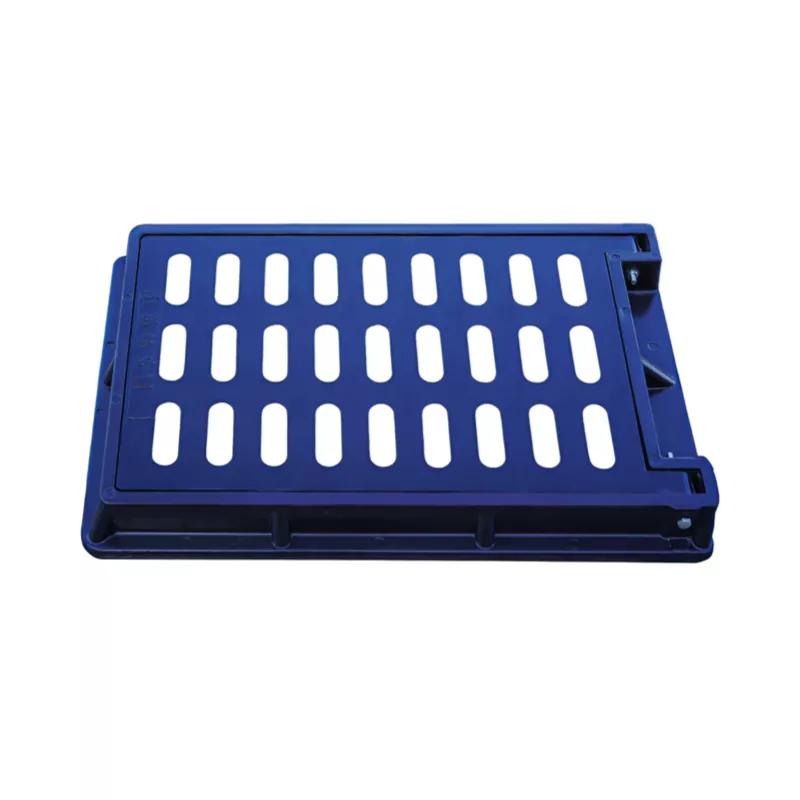
Water grates come in various materials and designs, and each type offers unique benefits. Understanding the pros and cons of each will help you make an informed decision based on your needs and the area where the grate will be installed. Let’s take a look at the most common types.
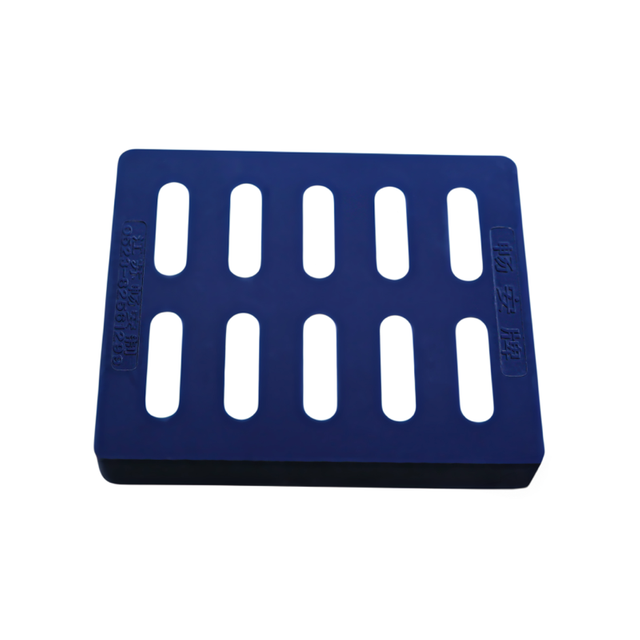
Plastic water grates are a popular choice for low-cost drainage solutions. Lightweight and easy to install, these grates are ideal for areas that don’t require heavy-duty drainage.
Pros: Plastic grates are lightweight, making them easy to transport and install. They are also affordable, which is an attractive option for homeowners on a budget. Additionally, plastic is resistant to rust and corrosion, making it suitable for areas with mild weather conditions.
Cons: While plastic grates are cost-effective, they are not as durable as other materials like cast iron or aluminum. Over time, exposure to harsh weather conditions—especially extreme heat or cold—can cause plastic to become brittle and crack. Plastic grates also have a lower load-bearing capacity and are not recommended for areas with heavy traffic.
Best for: Plastic grates are most suitable for low-traffic areas, such as garden paths, poolside drainage, or decorative drainage applications. They can also be used in areas where heavy vehicles will not drive over them.
Cast iron water grates are known for their strength and durability. They are perfect for areas that experience heavy foot traffic or vehicles, as they can withstand extreme wear and tear without cracking or breaking.
Pros: Cast iron grates are incredibly durable and resistant to corrosion. They are excellent for areas with heavy loads, like driveways, sidewalks, or parking lots. Cast iron also has a timeless, classic appearance that complements both modern and traditional landscapes.
Cons: The main downside of cast iron grates is their weight. Cast iron grates are heavy, which can make them more difficult to install. They may also be more expensive compared to plastic or aluminum options.
Best for: Cast iron water grates are best for high-traffic areas where durability is essential. They are ideal for driveways, sidewalks, and other locations exposed to heavy foot or vehicle traffic.
Aluminum grates combine the best of both worlds—strength and lightweight. Aluminum is highly resistant to corrosion, making it an excellent choice for wet or coastal areas where rust might be a concern.
Pros: Aluminum grates are lighter than cast iron, making them easier to install. They also offer excellent resistance to corrosion, which is a key benefit in areas that experience high moisture levels. Aluminum is also available in a variety of finishes, allowing homeowners to choose a grate that complements their landscape.
Cons: While aluminum grates are strong, they may not bear as much weight as cast iron grates. In heavy traffic areas, aluminum grates may require thicker material to provide adequate support.
Best for: Aluminum grates are ideal for areas that require high corrosion resistance, such as around pools or in coastal climates. They are also well-suited for aesthetically driven projects, as they can be painted and finished in a variety of colors and patterns.
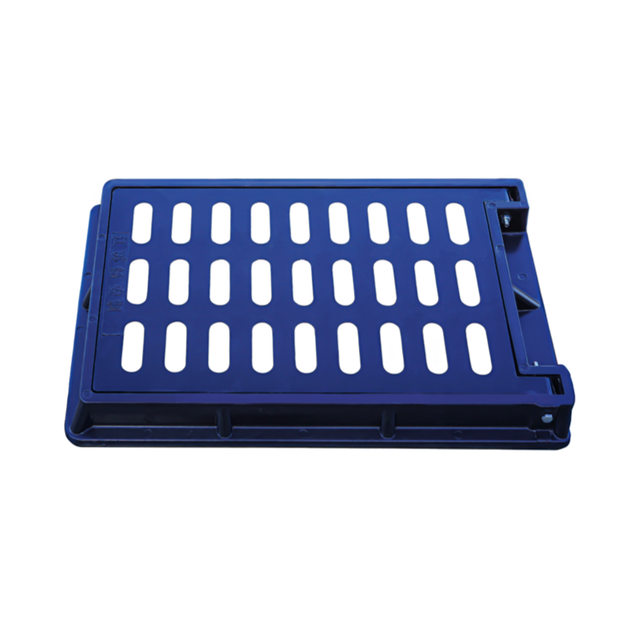
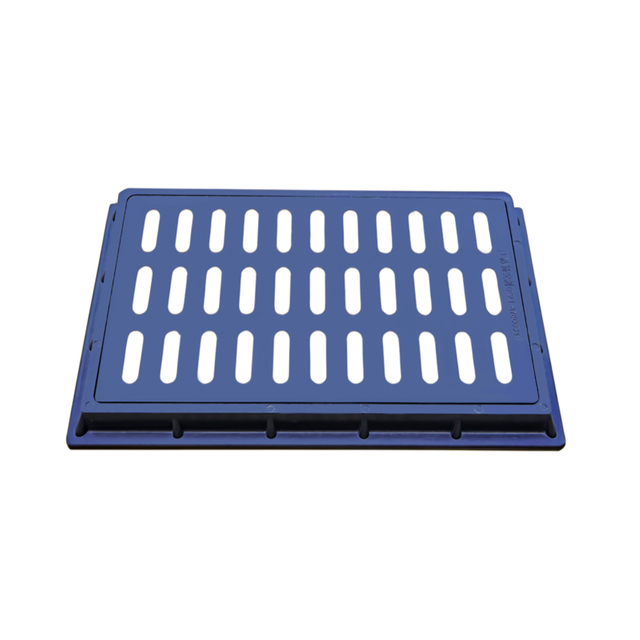
Fiberglass water grates are known for their durability and flexibility in design. They are commonly used in commercial or industrial settings but are also an excellent choice for residential areas that require high water flow capacity and customized grate designs.
Pros: Fiberglass grates are incredibly durable and resistant to corrosion, making them ideal for large-scale drainage systems. They are lightweight, yet strong, and can be customized in a variety of designs and sizes. Fiberglass grates are particularly effective in managing large volumes of water, which makes them perfect for high-water-flow areas.
Cons: The installation of fiberglass grates is more complex compared to plastic or aluminum. Additionally, fiberglass is generally more expensive, which may make it less appealing for budget-conscious homeowners.
Best for: Fiberglass water grates are best suited for heavy-duty drainage applications, such as in commercial parking lots, large residential properties, or areas prone to heavy rainfall. They are also ideal for homeowners looking for a custom-designed grate to suit a unique aesthetic.
To help you compare the different types of water grates, here's a table summarizing their key features and best uses:
| Material | Pros | Cons | Best For |
|---|---|---|---|
| Plastic | Lightweight, cost-effective, rust-resistant | Brittle under harsh weather, low load-bearing | Garden paths, poolside, decorative areas |
| Cast Iron | Highly durable, corrosion-resistant, strong | Heavy, more difficult to install, higher cost | Driveways, sidewalks, high-traffic areas |
| Aluminum | Corrosion-resistant, lightweight, aesthetic | Lower load-bearing, higher cost | Wet areas, coastal climates, aesthetic projects |
| Fiberglass | Corrosion-resistant, customizable, strong | Expensive, complex installation | Commercial settings, high-water-flow areas |
Choosing the best water grate involves more than just considering the material. You’ll need to assess various factors such as drainage capacity, aesthetic preferences, and maintenance requirements.
Not all grates are created equal when it comes to handling different volumes of water. Some grates are designed to allow water to flow freely, while others have smaller openings that may restrict flow:
| Grate Design | Water Flow Efficiency | Best For |
|---|---|---|
| Vane-Style | Maximizes absorption in the direction of flow | Areas with heavy rainfall or runoff |
| Diagonal Cross-Drain | Even water distribution across a large area | Wide open spaces or areas with consistent rainfall |
| Standard Horizontal | Slower, but consistent flow | Low-traffic areas or mild weather conditions |
Selecting the correct grate design ensures that water is channeled efficiently, preventing clogging and overflow. Be sure to consider the average rainfall in your region and how much water you need to manage.
While functionality is important, the appearance of your water grates should also complement the aesthetic of your outdoor space. Decorative grates can be used to enhance the look of your garden, patio, or driveway while maintaining effective drainage.
Materials like aluminum and cast iron can be painted or finished in various colors to match your existing outdoor decor.
Decorative patterns on the grates can add a personal touch, turning functional components into design features.
Balancing aesthetics with functionality ensures your grates serve their intended purpose without compromising the overall look of your outdoor space.
The durability and maintenance needs of a grate will depend on the material it is made from. Some materials, like plastic, require little maintenance but may need to be replaced more frequently. Others, like cast iron, require more upkeep but offer longer-lasting performance.
Cast iron requires periodic rust prevention treatments and maintenance to preserve its appearance and functionality.
Plastic grates need to be replaced when they begin to show signs of brittleness, especially if exposed to extreme weather.
Aluminum is low maintenance but should still be inspected regularly for signs of wear or corrosion.
Fiberglass requires careful installation and occasional cleaning to ensure water can flow freely.
Regular cleaning and proper care will ensure that your grates remain effective over time, reducing the likelihood of clogs or damage.
Understanding how water grates are used in real-life scenarios can help homeowners make informed decisions about which type of grate to use. Below are some examples of water grates in common residential settings.
In a typical suburban home, cast iron water grates are ideal for a driveway. These grates can easily handle the weight of vehicles without cracking or warping. The durability and load-bearing capacity of cast iron make it the best choice for high-traffic areas like driveways, where long-lasting performance is crucial.
For a garden or backyard pathway, plastic water grates can be an excellent choice. These grates are lightweight and cost-effective, making them easy to install. Since garden pathways don’t typically bear heavy loads, plastic grates provide adequate drainage and are a practical solution for these areas.
Around a pool, aluminum water grates are often chosen for their corrosion resistance. The constant exposure to moisture and pool chemicals makes aluminum the ideal material. It won’t rust or degrade over time like steel, ensuring that the drainage system remains intact and effective.
In a commercial setting like a parking lot, fiberglass water grates are perfect for handling large volumes of water. Their strength and corrosion resistance make them ideal for areas where high water flow is expected. Fiberglass also offers design flexibility, which is beneficial for large-scale drainage systems.
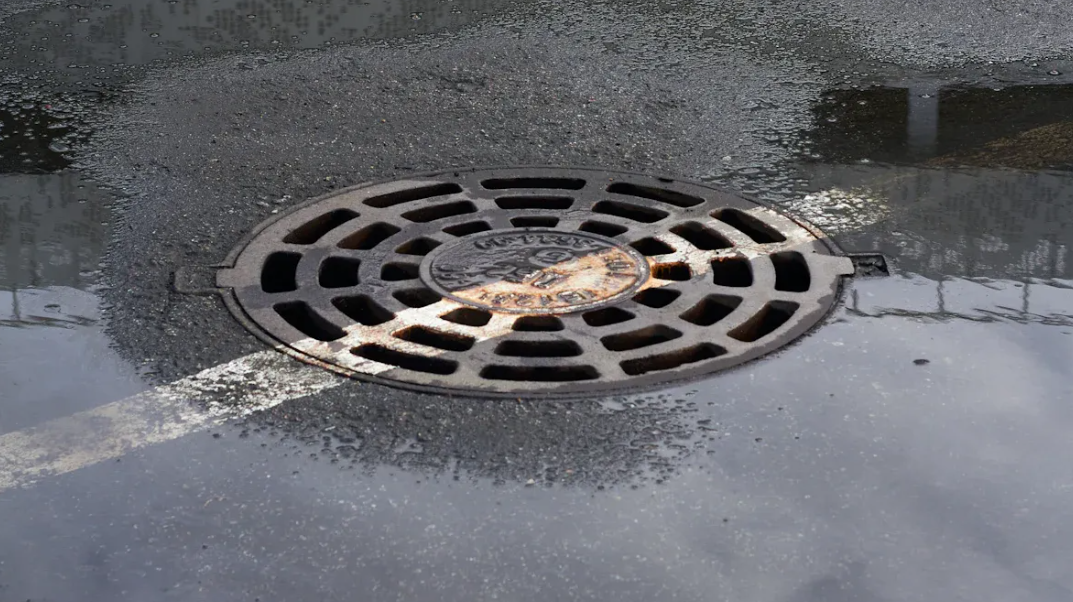
Proper installation and maintenance are essential to ensure that your water grates continue to function as intended. Here are some tips to help you get the most out of your grates.
Ensure the installation area is clean, level, and free of debris to prevent the grate from shifting or becoming unstable.
Check the weight capacity of the grate and ensure it is suitable for the expected load in the area where it will be installed.
| Material | Maintenance Required | Frequency of Maintenance | Additional Care |
|---|---|---|---|
| Cast Iron | Periodic rust prevention, cleaning | Annually or as needed | Apply rust-resistant coatings |
| Plastic | Occasional cleaning, replacement if brittle | Every 1-2 years or as needed | Check for cracks and brittleness |
| Aluminum | Light cleaning, corrosion check | Every 6 months to 1 year | Inspect for corrosion or wear |
| Fiberglass | Occasional cleaning, check for damage | Annually or as needed | Ensure no debris or blockages |
Choosing the right water grate for your home requires considering drainage needs, aesthetics, and maintenance. By evaluating different materials and designs, you can ensure your drainage system is efficient and durable.
For those seeking high-quality, durable water grates, Jiangsu Chang'an Manhole Cover Co., Ltd. offers exceptional products that meet these needs. Their grates combine strength and long-lasting performance, providing great value for homeowners.
A: Water grates are drainage systems that channel water away from driveways, walkways, and outdoor spaces. They prevent flooding and erosion, ensuring your property remains protected from water damage.
A: When selecting water grates, consider factors like material durability, drainage capacity, and aesthetic preferences. Choosing the right water grate depends on the area’s traffic, weather, and design needs.
A: The most common types of water grates include plastic, cast iron, aluminum, and fiberglass. Each has its own benefits, such as affordability, durability, corrosion resistance, and custom design options.
A: The cost of water grates varies depending on the material, size, and design. Plastic grates are typically more affordable, while cast iron and fiberglass grates can be more expensive due to their durability and performance.
A: While some water grates, like plastic ones, are easy to install yourself, heavier materials like cast iron and fiberglass may require professional installation due to their weight and complexity.
A: Regularly clean water grates to prevent debris buildup. Metal grates may require rust treatment, while plastic grates should be checked for cracks or brittleness.