Views: 0 Author: Site Editor Publish Time: 2025-12-03 Origin: Site


Ever wondered how cities manage stormwater effectively? Water grates play a vital role in stormwater systems, ensuring smooth water flow and preventing blockages.
In this article, we will explore what water grates are, how they function, and their significance in drainage systems. You'll learn about their different types, benefits, and why they are crucial in preventing flooding and infrastructure damage.
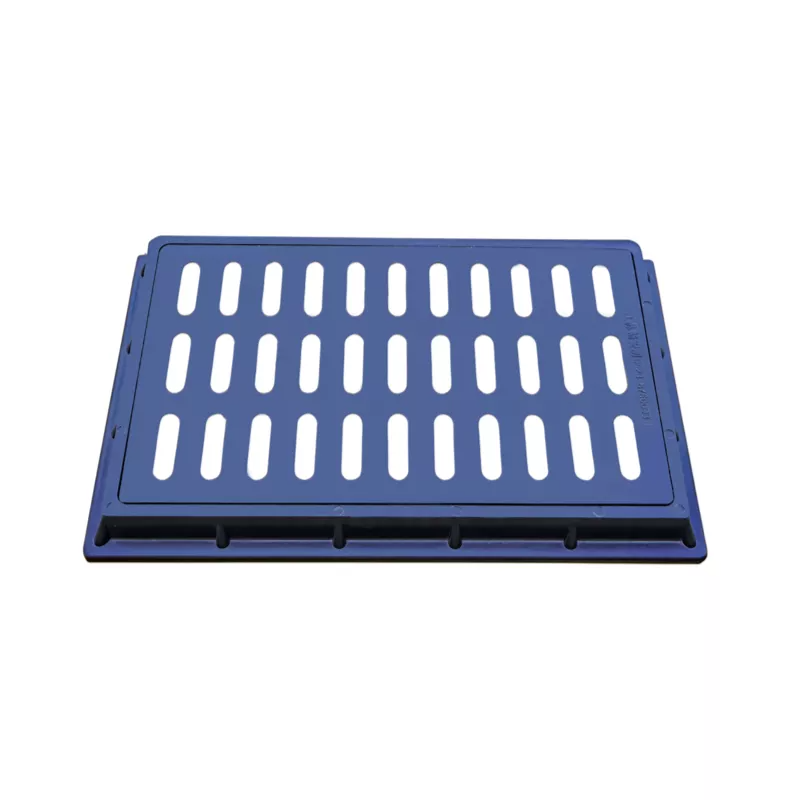
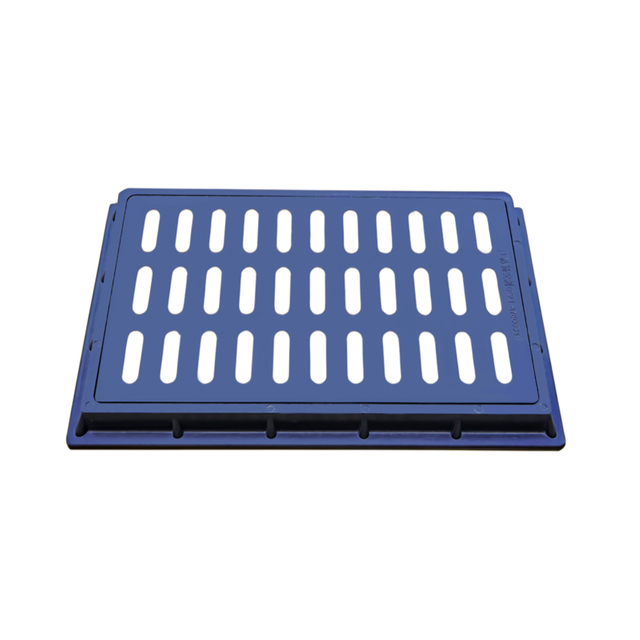
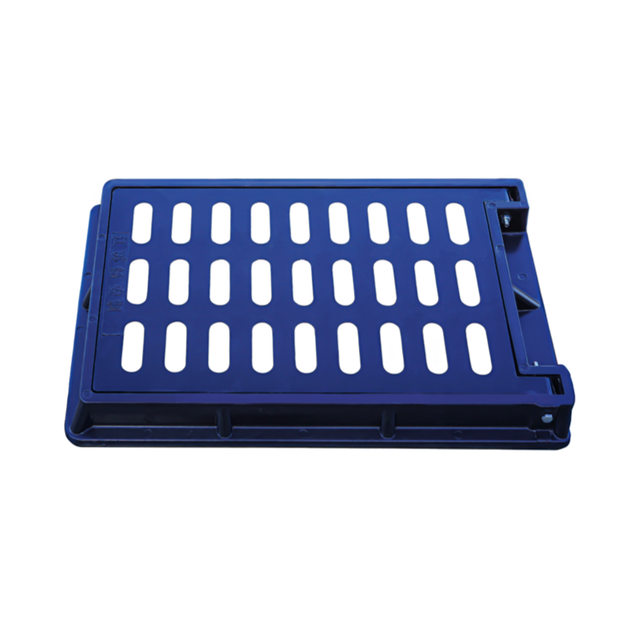
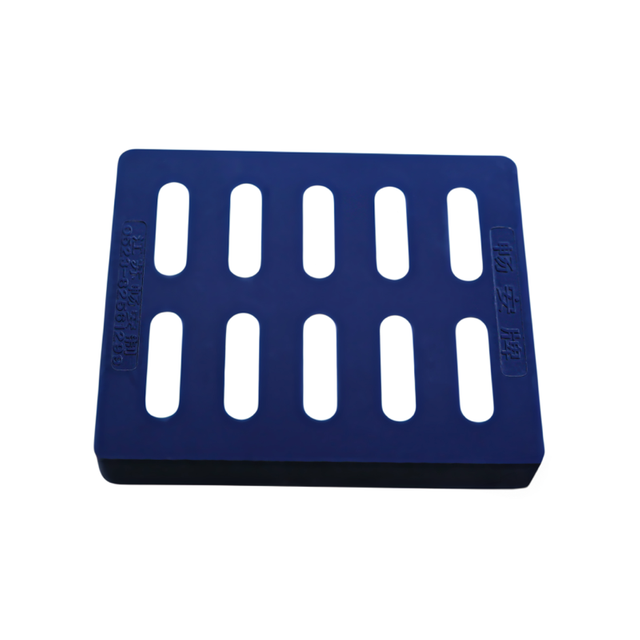
A water grate is a physical cover placed over an opening in a drainage system. Its primary function is to allow water to flow through while blocking larger particles such as debris, leaves, dirt, or trash that could obstruct the drainage pipes or channels. Water grates are designed with specific gaps or holes through which water can easily pass, but these openings are small enough to trap larger objects, preventing them from entering the system and causing blockages.
Unlike other types of drainage covers, water grates are designed to endure the elements while maintaining functionality. Made from materials that resist weathering, water grates are built to last, ensuring a reliable drainage system for years.
There are various types of water grates designed to serve different functions based on material, location, and application. Here are some of the most commonly used types:
Cast Iron Grates: These grates are heavy-duty, making them suitable for use in high-traffic areas such as streets, driveways, and commercial parking lots. Cast iron is known for its strength and durability, making it the ideal choice for areas that endure heavy weight, including vehicles.
Stainless Steel Grates: These grates are resistant to rust and corrosion, making them perfect for environments where grates are exposed to water, moisture, or chemicals. Stainless steel grates are often found in commercial kitchens, industrial plants, and areas with high moisture levels.
Polymer and Plastic Grates: These are lightweight and cost-effective solutions for residential areas, gardens, or smaller drainage systems. Although they may not bear as much weight as cast iron or stainless steel, they are an affordable and functional choice for less demanding applications.
Each material serves different purposes based on the environment, expected traffic, and weather conditions. Choosing the right type of grate is essential to ensure the proper functioning and longevity of the drainage system.
| Type of Water Grate | Material | Common Applications | Key Features |
|---|---|---|---|
| Cast Iron Grates | Cast Iron | Roads, Driveways, Parking Lots | Durable, Heavy-duty, Suitable for high-traffic areas |
| Stainless Steel Grates | Stainless Steel | Commercial Kitchens, Industrial Plants | Corrosion-resistant, Strong, Ideal for moisture-rich environments |
| Polymer/Plastic Grates | Polymer/Plastic | Residential Areas, Gardens, Small Drains | Lightweight, Affordable, Ideal for low-traffic areas |
| Decorative Grates | Stainless Steel, Bronze, Polymer | Public Spaces, Gardens, Courtyards | Customizable, Aesthetic designs for both functionality and visual appeal |
Water grates offer several benefits that make them indispensable in drainage systems. These include:
Prevention of Blockages: By allowing water to pass freely while blocking large debris, water grates ensure that the drainage system remains clear and unobstructed. This reduces the likelihood of blockages that can cause flooding or water damage, saving time and money on repairs.
Safety: In high-traffic areas, particularly in public spaces such as sidewalks and roads, water grates reduce the risk of accidents by preventing people and vehicles from accidentally falling into open drainage channels. Grates also reduce the chances of slips and falls by offering a stable surface that can withstand foot and vehicle traffic.
Improved Drainage: Water grates help maintain optimal water flow through the drainage system. They allow for the quick removal of surface water, especially during heavy rain or storms. This prevents the accumulation of water, which could lead to flooding or water damage to nearby properties and infrastructure.
Water grates are designed to allow water to pass through while keeping out debris. The design of the grate—whether it is a fine mesh or features larger openings—determines how quickly water can pass through. This ensures that rainwater and stormwater can flow into the drainage system without obstruction, allowing the system to function efficiently and reduce the risk of flooding.
In cities and industrial areas, water grates are an integral part of the stormwater management system. Without these grates, debris would block the drainage channels, preventing water from being directed properly and resulting in backups and potential flooding.
One of the key roles of water grates is protecting the surrounding infrastructure from damage caused by excessive water. Without proper drainage, rainwater can accumulate and cause erosion, cracks, and other forms of degradation to roads, buildings, and landscaping. Water grates ensure that the drainage channels are clear, preventing water from stagnating and damaging infrastructure.
For industrial sites, water grates also serve the function of protecting sensitive equipment and machinery from water damage. By keeping water flowing efficiently and preventing excessive accumulation, grates help maintain the integrity of machinery and protect valuable assets from potential harm.
Water grates contribute significantly to safety in high-traffic and public areas. By covering drainage channels, they help prevent accidents by keeping people and vehicles from falling into the open drains. The grates also prevent the accumulation of water in areas where pedestrians may be walking, reducing the risk of slipping during wet weather.
Grates with anti-slip features or textured surfaces further enhance safety, particularly in busy environments. This makes them ideal for public roads, parking lots, sidewalks, and other areas with frequent foot traffic.
Tip: Ensure the material and design of the drainage grates are suitable for the surrounding environment to maximize safety and minimize maintenance costs.
Trench grates are designed to cover linear drainage systems, which are often found in sidewalks, driveways, and parking lots. These grates are ideal for handling foot and vehicle traffic, as they offer a large surface area that spans long drainage channels. They are particularly useful in areas where water needs to be channeled over a larger surface, such as in commercial zones or busy residential neighborhoods.
These grates are typically designed to be durable, ensuring they can withstand constant traffic and large volumes of water without breaking down.
In areas like pools or small drainage points, specialized grates such as pool grates and sump covers are used. Pool grates prevent water from accumulating around the pool deck, ensuring a dry, safe environment for swimmers. Sump covers, typically used for basement drainage or small areas, help manage water flow by directing water away from these spaces, preventing flooding from heavy rainfall or groundwater infiltration.
Both pool grates and sump covers are designed to fit into specific, often smaller spaces, yet they provide crucial drainage capabilities.
In addition to their functional role, water grates can also be customized to enhance the appearance of public and private spaces. Decorative water grates can be made from materials such as stainless steel, bronze, or polymer and can be designed with various patterns, textures, and finishes to match the surrounding architecture.
These grates are often used in residential gardens, courtyards, or public spaces where aesthetics play an important role, providing both beauty and function.
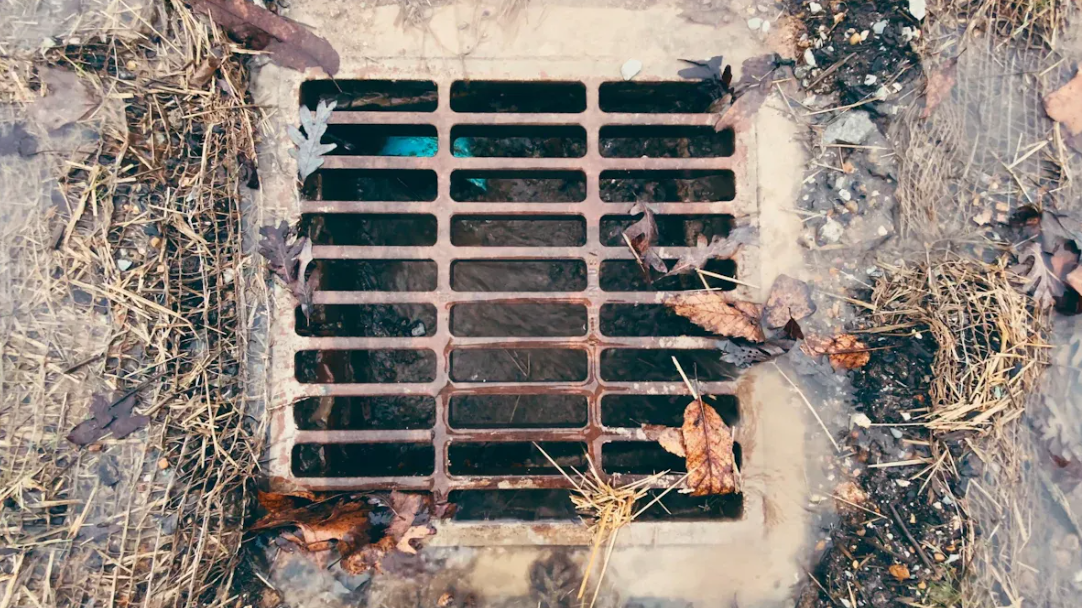
One of the most important roles of water grates is managing peak water flow—the maximum amount of water the drainage system needs to handle during heavy rainfall or storm events. If the grates are too small or poorly designed, they can restrict the flow of water, causing backups, flooding, and damage to nearby areas.
To ensure that water grates are effective, it’s crucial to choose the appropriate size and design based on the expected volume of water. In areas prone to high water flow, larger or more open grates are necessary to handle the surge of water and prevent drainage system failure.
The material used for water grates is essential for ensuring their long-term durability and performance. Grates made from corrosion-resistant materials like stainless steel or polymer are ideal for environments that are constantly exposed to water, while heavy-duty materials like cast iron are better suited for areas with heavy vehicle traffic.
When selecting materials, it’s also important to consider factors such as load-bearing capacity and environmental conditions. For example, areas with high moisture levels or exposure to chemicals will benefit from stainless steel or other weather-resistant options.To help you choose the right material for your water grates, here's a comparison of common materials, their strength, corrosion resistance, and ideal applications.
| Material | Strength/ Durability | Corrosion Resistance | Ideal Use Cases |
|---|---|---|---|
| Cast Iron | High | Low | Heavy-duty areas, roads, driveways |
| Stainless Steel | Very High | High | Moisture-prone areas, industrial plants |
| Polymer/Plastic | Moderate | Moderate | Residential use, gardens, smaller drainage systems |
| Bronze | High | Moderate | Decorative uses, public spaces, courtyards |
Proper maintenance is key to ensuring that water grates function effectively over time. Grates should be regularly checked for debris buildup, cracks, rust, or other signs of wear. Regular cleaning and occasional repairs will extend the life of the grate and keep the drainage system operating smoothly.
Signs that water grates need replacing include visible damage such as cracks or warping, and if the drainage system begins to back up due to debris blockage.Here’s a quick guide for maintaining your water grates, including tasks, frequency, and recommended tools.
| Maintenance Task | Frequency | Recommended Tools |
|---|---|---|
| Debris Removal | Weekly or after storms | Broom, Pressure Washer |
| Check for Cracks | Monthly | Visual Inspection, Hammer for tapping |
| Rust Inspection | Every 3 months | Rust Remover, Wire Brush |
| Deep Cleaning | Every 6 months | Power Washer, Detergent |
In residential areas, water grates play a crucial role in preventing flooding by directing water away from homes. These grates help manage rainwater runoff, especially around foundations, basements, and yards, which are susceptible to water damage. In regions prone to heavy rainfall, properly installed grates ensure that water is efficiently channeled into the drainage system, reducing the risk of standing water and flooding.
For homes in flood-prone areas, selecting the right grate is important. Larger or more durable grates may be needed in regions with frequent storms to handle peak water flow. By preventing debris from entering the drainage system, water grates also maintain the system’s effectiveness and avoid blockages that could exacerbate flooding.
Water grates are essential in commercial and industrial settings for managing stormwater runoff and preventing flooding. In areas like factories, warehouses, and parking lots, water grates allow large volumes of water to flow safely into drainage systems without causing backups. These environments require heavy-duty grates made from materials like cast iron or stainless steel, which can withstand heavy traffic and exposure to chemicals or moisture.
In industrial sites, these grates protect equipment and infrastructure from water damage and maintain smooth operations. For example, warehouses with large roof areas need efficient drainage to avoid flooding that could damage inventory or machinery. Grates are designed to handle not only rainwater but also other fluids that may accumulate during industrial processes.
Water grates also play a vital role in public spaces, including parks, sidewalks, and urban roads. They help direct rainwater away from pedestrian walkways and streets, preventing flooding and maintaining the safety of these areas. By allowing water to flow into drainage systems, grates reduce the risk of slippery conditions, which can cause accidents, especially in high-traffic areas.
In urban environments, these grates are essential for protecting infrastructure. They prevent water from pooling around roads and sidewalks, which could erode surfaces and damage infrastructure over time. Additionally, decorative grates are often used in public spaces to maintain both functionality and aesthetic appeal, ensuring that stormwater management doesn’t disrupt the beauty of urban areas.
Water grates are essential for effective drainage systems. They manage water flow, prevent debris buildup, and enhance safety in various environments. Choosing the right material and design for water grates is crucial in both residential and industrial settings. Regular maintenance ensures their long-term functionality and durability.
For high-quality water grates, Jiangsu Chang'an Manhole Cover Co., Ltd. offers innovative solutions that provide superior strength and longevity. Their products are designed to meet the diverse needs of modern drainage systems, delivering excellent value and reliability to customers.
A: Water grates are covers placed over drainage openings to allow water flow while blocking debris. They prevent clogging and ensure effective drainage in both residential and industrial systems.
A: Water grates help maintain water flow, prevent blockages, and reduce flooding risks. They ensure that drainage systems function properly, especially in areas with heavy rainfall or high foot traffic.
A: When choosing water grates, consider material durability, size, and the volume of water to be managed. For high-traffic or industrial areas, heavier-duty grates, like cast iron or stainless steel, are ideal.
A: Common materials include cast iron, stainless steel, polymer, and plastic. Each material is selected based on the location and expected load, with more durable materials used in high-traffic or industrial areas.
A: Water grates should be cleaned regularly, especially after heavy rainfall or storms. Check for debris buildup and ensure that water flows freely through the grate to prevent blockages and flooding.
A: Yes, water grates are essential for flood prevention. They channel rainwater away from foundations and other vulnerable areas, reducing the risk of water damage in residential and commercial properties.
A: Yes, decorative water grates are both functional and aesthetic. They help manage water flow while enhancing the appearance of public spaces, parks, or courtyards without compromising drainage performance.