
Views: 0 Author: Site Editor Publish Time: 2026-08-21 Origin: Site


Accessing large-span utility vaults, pump stations, and trench runs presents a logistical challenge when standard access covers exceed safe manual lifting limits. Specifying single-piece oversized rectangular covers necessitates heavy machinery for routine maintenance. Relying on cranes or hoists delays emergency access and introduces severe workplace safety risks. You cannot afford to wait for a boom truck when a storm water interceptor backs up.
Transitioning to multi-cover rectangular manholes solves this problem. These systems distribute weight across fabricated, interlocking sections. This enables rapid, one-to-two-person manual access while maintaining required structural load ratings and infrastructure security. By dividing the span into manageable panels, field crews gain immediate entry to critical underground networks. This approach eliminates equipment bottlenecks and keeps your maintenance operations compliant with modern ergonomic standards.
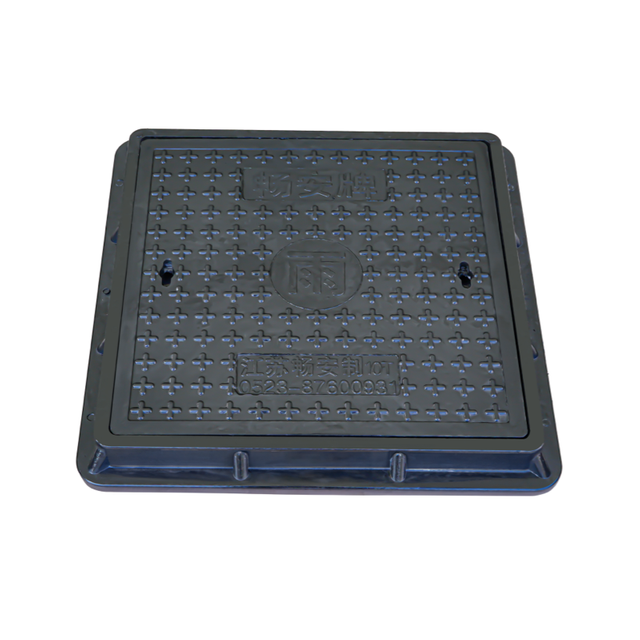
Ergonomic Compliance: Multi-piece configurations reduce individual panel weight, ensuring compliance with OSHA manual lifting guidelines without sacrificing total span access.
Structural Integrity: Proper specification requires evaluating support structures (such as removable center beams) to maintain load distribution across wide rectangular spans.
Material Trade-Offs: The choice between cast iron, fabricated steel, and composite materials dictates the balance between initial cost, chemical resistance, and long-term durability.
Safety Engineering: Unlike round covers, rectangular geometry requires engineered support ledges and precise diagonal sizing to eliminate the risk of panels falling into the vault.
Table of Contents
Standard round covers max out at specific diameters before becoming too heavy or structurally impractical for manual removal. When infrastructure requires wider access points, you must specify rectangular or square geometries. Common applications include large valve vaults, storm water interceptors, electrical pull boxes, and extensive telecommunications trenches. These environments demand wide, unobstructed openings to facilitate complex maintenance tasks.
Clearing solid blockages, managing heavy liquid flows, and lowering oversized pumps into sewer lines require spatial clearances that standard round access points simply cannot provide. When a 40-horsepower submersible pump fails in a municipal lift station, field crews must extract it immediately. A standard 24-inch round frame restricts the extraction angle, often requiring crews to dismantle the pump inside the hazardous confined space before removal. A multi-piece rectangular system provides a massive clear opening, allowing the gantry to pull the pump straight up without disassembly.
The primary operational bottleneck of large-span access is weight. A single-piece solid iron or steel cover spanning a large vault can weigh well over a thousand pounds. Removing a cover of this magnitude requires dispatching a crane. Mobilizing heavy equipment disrupts traffic, requires specialized operator scheduling, and delays immediate access during emergencies. In contrast, multi-piece systems divide the total mass into individual sections. Two field technicians using standard pry bars can remove these sections in minutes.
We define a successful deployment of these systems by several strict criteria:
Zero heavy machinery required for routine access and panel removal.
Zero unauthorized water ingress in sealed and gasketed applications.
Strict compliance with local traffic load standards for the specific installation zone.
Seamless integration with existing concrete vaults to prevent tripping hazards.
Complete elimination of the risk of panels falling into the infrastructure.
Specifying the correct multi-piece system requires a rigorous evaluation of load ratings, material properties, and geometric safety features. The physical location dictates the structural demands placed on the cover. The internal environment dictates the material chemistry.
Traffic loading is the most critical specification metric. Covers installed in roadways must withstand dynamic vehicular impact. We evaluate requirements against industry standards like AASHTO H-20 and HS-20 in North America, or EN 124 classes A15 through F900 in Europe.
A multi-piece system introduces joints where panels meet. Point-loads from vehicle tires must transfer smoothly across these joints without causing localized deflection or frame failure. Heavy-duty applications require engineered under-structures to support the seams between individual panels. This ensures the entire assembly acts as a cohesive structural unit under traffic stress.
Load Class (EN 124) | Test Load (kN) | Typical Application Environment | Structural Requirement for Multi-Piece |
|---|---|---|---|
B125 | 125 | Footways, pedestrian areas, light parking. | Self-supporting interlocking edges. |
C250 | 250 | Curb sides, slow-moving light traffic. | Reinforced panel ribs, standard seating. |
D400 | 400 | Main carriageways, heavy highway traffic. | Removable steel center support beams. |
E600 / F900 | 600 / 900 | Industrial docks, airports, heavy plant areas. | Heavy-duty I-beams, bolted lockdown panels. |
Material selection directly influences the longevity, weight, and performance of the access system. Each material presents specific structural characteristics.
Material Type | Primary Advantages | Key Limitations | Best Application |
|---|---|---|---|
Fabricated Steel / Aluminum | Custom sizing, significant weight reduction, high tensile strength. | Susceptible to galvanic corrosion if improperly isolated. | Pedestrian areas, custom retrofits, dry utility trenches. |
Ductile and Cast Iron | Maximum durability, extreme load capacity, proven historical performance. | High individual panel weight, prone to surface oxidation. | Heavy highway traffic, industrial loading docks. |
Fiberglass / Composite | Non-conductive, extreme chemical resistance, superior strength-to-weight ratio. | Deflection limits under extreme point loads must be engineered. | Sanitary sewers, corrosive environments, electrical vaults. |
Fabricated steel and aluminum offer flexibility for custom sizing. Aluminum drastically reduces weight but introduces galvanic corrosion risks when in contact with dissimilar metals or highly alkaline concrete. Ductile iron provides unmatched durability for heavy traffic environments. The trade-off remains the high weight of individual panels.
Fiberglass and composite materials offer non-conductive properties and extreme chemical resistance. They are highly effective against corrosive sewer gases like hydrogen sulfide. Composites also deliver an exceptional strength-to-weight ratio, keeping panel weights well within manual lifting limits. Composite panels utilize advanced resin transfer molding techniques. Manufacturers embed aluminum oxide grit directly into the fiberglass matrix during curing. This creates a permanent anti-slip surface that will not peel or wear away under heavy foot traffic, unlike aftermarket epoxy coatings applied to steel plates.
Round covers cannot fall through their own frames because the diameter remains constant regardless of orientation. Rectangular and square covers lack this inherent geometric safety. The diagonal length of a rectangular cover is always greater than its width or length. If a technician tilts a rectangular panel vertically and rotates it, the panel can slip diagonally through the opening and drop into the vault below.
To eliminate this hazard, we utilize specific design interventions. Continuous seating ledges reduce the clear opening size relative to the panel dimensions. Interlocking panel designs require sections to be removed in a specific sequence, preventing arbitrary tilting. In high-risk applications, secondary safety grates sit immediately below the cover level. These grates catch any dropped objects or panels, protecting the infrastructure and personnel working below.
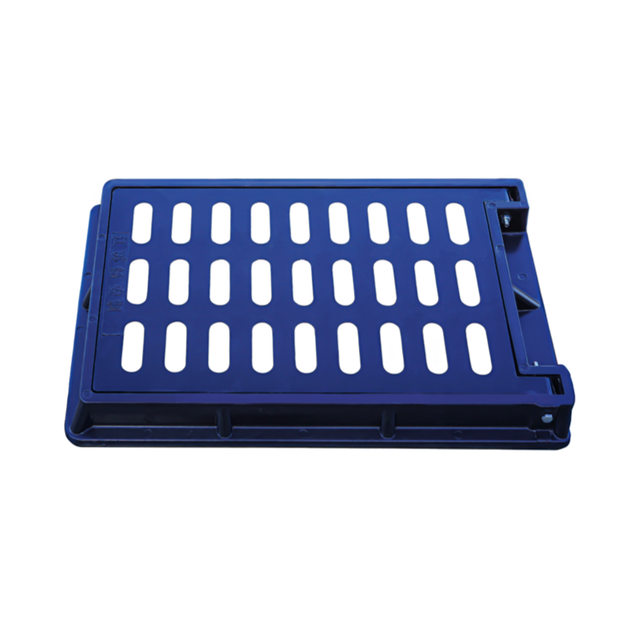
The architecture of a multi-piece access system extends beyond the surface panels. The underlying support framework and environmental control features determine the system's operational success.
Shorter spans often utilize self-supporting interlocking panels. The edges of these panels overlap or rest on reinforced frame lips, transferring the load directly to the concrete vault walls. However, as the rectangular span extends, the risk of center deflection increases. Extended spans require removable center beams, typically engineered as steel I-beams or heavy-duty channel supports.
These beams span the width of the opening, providing a rigid resting ledge for the seams of the multi-piece panels. When full access to the vault is necessary, field crews follow a specific sequence:
Unlock and remove the individual surface panels using standard lifting hooks.
Store the panels safely away from the open vault edge.
Manually lift the center beams out of the frame pockets.
Perform the required maintenance or equipment extraction through the fully unobstructed clear opening.
Replace the center beams into their designated pockets before reseating the panels.
This modular approach maintains structural rigidity under traffic loads while preserving the ability to achieve a completely unobstructed clear opening.
Underground environments generate and trap gases. Sanitary sewer applications require vented panels to manage hazardous gases, pressure differentials, and volatile organic compounds flowing through sewer pipes. Without adequate ventilation, pressure can build up, potentially dislodging covers or forcing sewer gases into connected structures. Vented multi-piece covers facilitate passive air exchange, mitigating explosive gas accumulation and reducing hydrogen sulfide concentrations.
Conversely, storm water systems, electrical vaults, and dry utility trenches require solid panels. In these applications, preventing surface debris and water from entering the infrastructure is the priority. Solid panels protect sensitive electrical connections and prevent storm water systems from becoming clogged with street-level sediment.
When surface water infiltration must be stopped entirely, we specify gasketed multi-cover systems. These systems utilize continuous elastomer gaskets seated within the frame ledge. As the panels are bolted down, they compress the gasket, forming a watertight seal. This prevents localized flooding from filling utility vaults.
In dense urban environments, odor control is equally critical. Bolted and sealed configurations trap noxious sewer odors within the vault, preventing them from reaching street level. These sealed systems require precise fabrication tolerances to ensure that the seams between the multiple panels compress uniformly against the sealing mechanisms.
Field technician safety and public compliance dictate the final design of any access system. Heavy infrastructure must be operable without causing musculoskeletal injuries to workers or hazards to pedestrians.
Occupational safety guidelines generally map safe individual lifting thresholds to approximately 50 pounds per person. Multi-piece systems are engineered to keep individual panel weights at or below this limit, or within a safe two-person lifting range. To facilitate safe handling, panels integrate mechanical lift assists, recessed lifting rings, or specialized pry-bar slots.
These lifting points are strategically placed to ensure the panel remains balanced as it is hoisted out of the frame. Recessed rings prevent tripping hazards on the surface. Pry-bar slots allow technicians to break the friction seal of dirt and debris before attempting a vertical lift.
Covers located in pedestrian-heavy environments must provide adequate surface traction. We specify anti-slip tread patterns that meet strict coefficient of friction requirements, ensuring safety in wet or icy conditions. Furthermore, the gap tolerances between the multi-cover sections must comply with Americans with Disabilities Act (ADA) guidelines. Gaps must be narrow enough to prevent wheelchair casters, walking canes, or narrow footwear from becoming lodged in the seams.
Critical infrastructure requires robust security. Multi-piece covers integrate specialized locking mechanisms to deter vandalism, sabotage, and metal theft. Penta-head bolts require specialized municipal wrenches for removal, preventing access by the general public. For higher security needs, cam locks and pad-lockable sub-surface systems ensure that only authorized personnel can breach the vault.
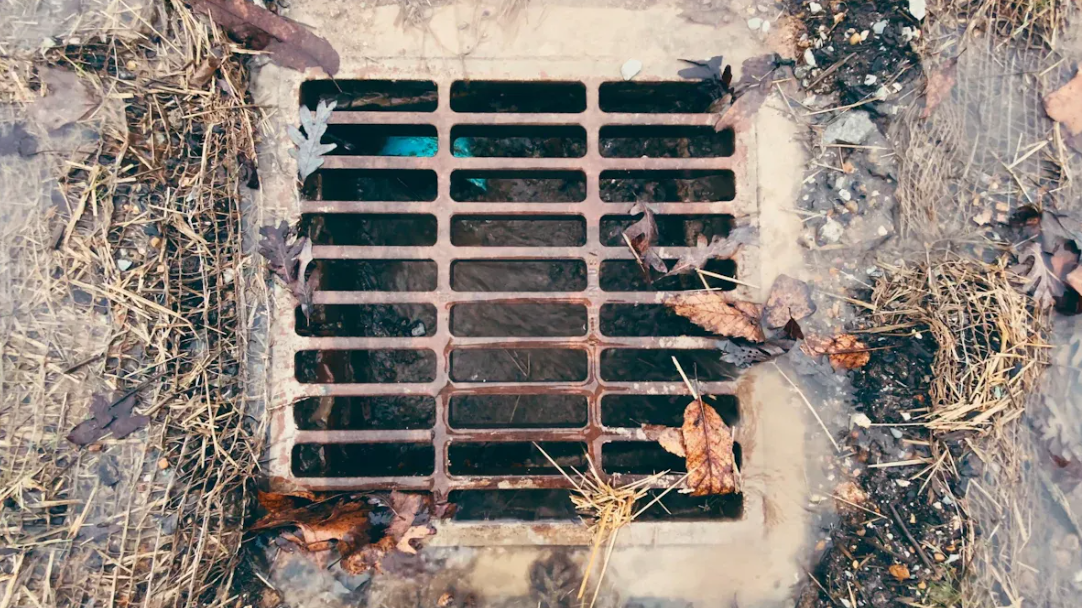
Deploying oversized access systems requires careful logistical planning and precise field execution. Project managers must balance operational efficiency against custom fabrication requirements.
Custom fabricated multi-piece systems require detailed engineering and manufacturing processes. This initial fabrication effort directly translates into long-term operational efficiency. Eliminating the need for crane rentals during routine maintenance drastically reduces labor hours and equipment scheduling conflicts. The ability to deploy a standard two-person crew in a light utility vehicle to service a massive pump station streamlines municipal and industrial maintenance workflows.
Large job sites frequently utilize a mix of standard round covers and oversized rectangular units. Managing this mixed infrastructure requires a cohesive strategy. Project engineers must standardize load ratings across the site to prevent accidental frame failure if heavy machinery traverses a pedestrian-rated zone. Materials and aesthetic tread patterns should also be standardized to maintain a uniform visual appearance and consistent maintenance protocols across the entire facility.
Sourcing custom-sized multi-piece covers involves longer lead times than purchasing off-the-shelf round covers. Accurate field measurement is the most critical step in the procurement process. Measuring a round cover requires a single diameter metric. Multi-dimensional rectangular systems require a strict measurement framework to prevent fabrication errors.
Field engineers must measure the clear opening width and length, the exact frame depth, and the diagonal dimensions. Existing concrete frames are rarely perfectly square. Measuring the diagonals ensures the new multi-piece system accounts for any skew in the existing vault. Documenting the exact dimensions of the seating ledge guarantees that the new panels will rest flush with the surrounding surface. This avoids dangerous tripping hazards or structural rocking under traffic loads.
Measurement Dimension | Field Tool Required | Purpose of Measurement |
|---|---|---|
Clear Opening (Width x Length) | Laser distance meter / Steel tape | Determines the exact unobstructed access area required. |
Diagonal Length (Corner to Corner) | Steel tape measure | Identifies if the existing concrete vault is out of square. |
Frame Depth / Seating Ledge | Digital caliper / Depth gauge | Ensures the new panels sit perfectly flush with the surrounding grade. |
Even the most robust access systems require routine inspection. Field crews should inspect elastomer gaskets annually for dry rot or compression set. Center support beams require visual checks for structural fatigue or galvanic corrosion at the seating pockets. Keeping the pry-bar slots and lifting ring recesses clear of compacted dirt ensures rapid access during emergency response scenarios.
To implement these systems effectively and ensure safe, compliant access to your underground infrastructure, execute the following steps:
Conduct a comprehensive site audit using a laser distance meter to record the exact clear opening, frame depth, and diagonal dimensions of the existing vault.
Verify local municipal and highway load compliance requirements to ensure the selected system meets dynamic traffic demands for that specific zone.
Consult with the manufacturer to determine if your required span necessitates removable center support beams or if self-supporting panels are sufficient.
Evaluate the internal vault environment to specify the correct venting, elastomer sealing gaskets, and material composition based on chemical exposure.
For infrastructure projects requiring reliable and adaptable access solutions, Jiangsu Chang'an Manhole Cover Co., Ltd. provides manhole cover solutions for a range of municipal, utility, and industrial applications. By considering project-specific dimensions, load requirements, materials, and operating environments, the company can support customers in selecting suitable access cover solutions for demanding infrastructure projects.
A: Standard round covers are too small for accessing large equipment. Large vaults require wide openings for lowering large valves, clearing solid blockages, or pumping heavy liquids. A single rectangular cover large enough for these tasks would be too heavy to lift manually. Multi-cover systems provide the necessary large access area while dividing the weight into manually liftable sections.
A: Yes, inherently. The diagonal length of a rectangular cover is longer than its width or length. If tilted, it can slip through the opening. Modern rectangular frames prevent this by utilizing continuous support ledges, interlocking panel designs, and engineered seating that restrict the panel from tilting and falling through.
A: You must measure the clear opening width and length, the diagonal length from corner to corner, and the depth of the existing frame seating ledge. Because rectangular vaults can skew over time, measuring the diagonals confirms if the opening is perfectly square, preventing costly fabrication and fitment errors.
A: This depends on the total span width and the required traffic load rating. Short spans may use self-supporting interlocking panels. However, wider spans subjected to heavy vehicular traffic typically require a removable steel or aluminum center beam to prevent the panels from deflecting under dynamic loads.
A: Yes. When manufactured with appropriate materials like ductile iron or reinforced composites, and supported by engineered under-structures, these systems can meet rigorous highway standards. They are routinely engineered to comply with AASHTO H-20/HS-20 and EN 124 D400+ classifications for heavy traffic.
A: Weights vary significantly based on the material and the required load rating. However, multi-piece systems are specifically engineered to keep individual panel weights within safe one-to-two person lifting limits. Most individual sections are designed to weigh between 40 and 100 pounds, complying with ergonomic safety guidelines.


