Views: 0 Author: Site Editor Publish Time: 2026-09-28 Origin: Site


Procurement delays and budget overruns in infrastructure projects frequently originate from incomplete or ambiguous initial Requests for Quote (RFQs). Sourcing a manhole cover is not a standardized, off-the-shelf purchase. Every site presents unique demands. Failing to provide precise load ratings, dimensional data, local municipal standards, and compliance requirements leads to inaccurate estimates. It also causes non-compliant installations and severe project bottlenecks. Field crews end up waiting on replacement castings while open trenches pose safety hazards. This guide provides a systematic framework and template for structuring a comprehensive manhole cover quote request. Following this framework guarantees precise vendor estimates. It ensures regulatory compliance, eliminates back-and-forth emails with foundries, and accelerates your entire procurement cycle.
Dimensional Accuracy is Critical: Quotes must be based on the "clear opening" and frame depth, not just the overall cover diameter.
Load Ratings Dictate Price and Material: Specifying the correct traffic load standard (e.g., AASHTO H-20, EN 124) is non-negotiable for safety and accurate cost estimation.
Local Standards and Templates Streamline Sourcing: Referencing exact municipal codes and using a standardized RFQ template prevents back-and-forth communication and ensures accurate bids.
Compliance Impacts Sourcing: Projects requiring "Buy America Act" compliance or specific municipal approvals must state these constraints upfront to filter unqualified foundries.
Freight is a Major Cost Driver: Heavy infrastructure components require precise delivery details (e.g., exact addresses, liftgate requirements, site access) in the initial request to avoid hidden logistics fees.
Table of Contents

Dimensional accuracy forms the foundation of any successful casting procurement. Buyers often confuse the cover diameter with the clear opening. The clear opening represents the actual diameter of the access hole when you remove the cover. The overall frame dimension includes the base flange that embeds into the surrounding concrete or asphalt binder course. You must specify the clear opening in your request. Vendors require this measurement to ensure the casting properly fits the underlying vault, catch basin, or precast cone section.
Providing only the outer cover diameter leads to mismatched frames and costly site modifications. Castings have manufacturing tolerances, typically around plus or minus one-eighth of an inch. When measuring an existing site for a replacement quote, follow these exact steps:
Remove the existing cover and clean the frame seating area of debris and rust.
Measure the clear opening by pulling a tape measure across the narrowest inside diameter of the frame.
Measure the seating depth, which is the vertical lip where the cover rests inside the frame.
Measure the overall outside diameter of the existing cover itself.
Including all four measurements in your request eliminates ambiguity and prevents the foundry from guessing your required dimensions.
You must specify exact load ratings to ensure structural integrity. Different installation environments demand different strength capacities. Pedestrian areas require lighter castings. Roadways require heavy-duty ratings. Airport runways demand even higher capacities, often specified under FAA guidelines. Over-specifying load ratings inflates costs unnecessarily. You end up paying for heavy-duty materials in light-duty zones. Conversely, under-specifying introduces catastrophic failure risks. A light-duty casting placed in a heavy traffic lane will crack under dynamic wheel loads.
Load Rating Standard | Application Environment | Design Load Capacity |
|---|---|---|
Pedestrian / Light Duty | Sidewalks, residential landscaping, parks. | 2,000 lbs to 5,000 lbs |
AASHTO H-20 | Standard municipal roadways, parking lots. | 16,000 lbs wheel load |
AASHTO HS-20 | Heavy truck routes, highways, industrial parks. | 16,000 lbs (accounts for different axle spacing) |
EN 124 Class D400 | European standard for carriageways and hard shoulders. | 400 kN test load |
FAA Extra Heavy | Airport runways, taxiways, heavy port terminals. | 100,000+ lbs |
Clearly state the intended application and the required load standard in your initial request. If you are unsure of the exact standard, describe the heaviest vehicle that will drive over the casting.
Material choice affects both project cost and long-term performance, so clearly state the preferred material and its reason. Gray iron is heavy and helps reduce vibration, while ductile iron offers higher strength with lower weight for heavy-duty covers. Composite materials are lightweight, non-conductive, and resistant to sewer corrosion, making them useful for electrical, telecom, and sanitary sewer applications. Steel is more suitable for custom hatches and oversized trench drains. The selected material should match the site's traffic, environment, and utility type.
Include the exact local code, standard detail, or engineering drawing in the RFQ instead of using a generic description such as "heavy-duty cover." Citing the required municipal specification helps the foundry identify the correct approved design and reduces the risk of inspection rejection or installation problems. Attach the relevant standard detail or specification PDF whenever possible.
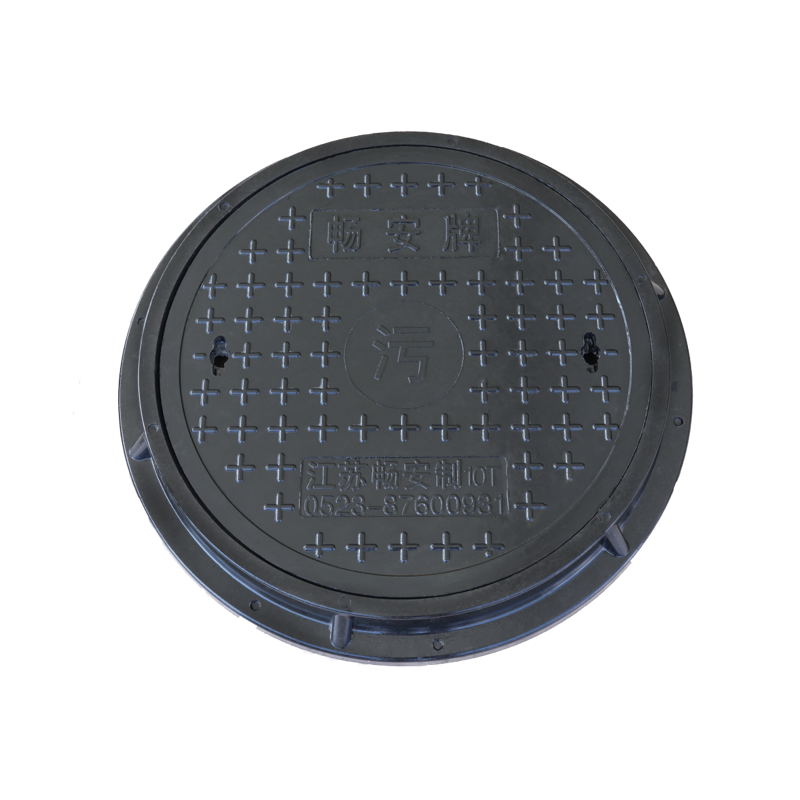
Choose the locking system based on the security needs of the site. Telecom vaults may require penta-head bolts, while high-security infrastructure may use hidden cam-locks with special tools. Standard sanitary sewers may only need bolted covers. Clearly state the lock type and required opening tool so the supplier can quote the correct hardware and matching frame and cover.
Provide the exact wording required on the cover, such as Sanitary Sewer, Storm, Water, or Electrical, and supply high-resolution vector artwork for logos. Custom markings may require new tooling and increase lead times, so ask the supplier to list the tooling cost separately from the unit price and confirm whether the pattern can be reused for future orders.
Flood-prone areas and sanitary sewers may require gasketed or watertight covers to reduce water inflow and infiltration (I&I) and control sewer odors. Specify whether the design needs a simple neoprene gasket or a fully bolted watertight assembly with a machined seating surface, as this directly affects the frame design, cost, and compliance requirements.
State all sourcing requirements before requesting quotes, including Buy America, Buy American, or AIS (American Iron and Steel) rules where applicable. This quickly filters out suppliers that cannot meet project requirements and helps ensure the quoted price reflects the correct production source.
Ask suppliers to provide relevant ISO certifications, Material Test Reports (MTRs), and proof-load test records with the quotation or before approval. These documents verify material quality, chemical composition, and load performance and help confirm that the casting meets the required specification.
Provide the required delivery date, ZIP code, and site receiving conditions, such as forklift access or liftgate requirements. Heavy covers may require flatbed or specialized delivery, and poor site access can create extra freight costs or prevent delivery, so logistics should be confirmed when the quote is requested.
Compare purchase price with long-term maintenance, freight, installation, and replacement costs. Gray iron may have a lower initial price, while ductile iron offers higher strength and easier handling, and composites can reduce corrosion-related maintenance. Evaluating total costs over a 20-year lifecycle provides a better view of overall value.
For large or phased projects, ask suppliers to quote the total required volume through a blanket purchase order with scheduled deliveries. This can provide volume discounts, lock in pricing, reduce storage needs, and ensure covers are available when each construction phase begins.
Custom dimensions, logos, and special designs may require one-time pattern or tooling costs. Ask vendors to separate these fees from the unit price and confirm whether the charge is one-time or repeated for future orders. Also clarify who owns the tooling so future orders can be placed without unnecessary additional costs.
Provide the basic project details needed for an accurate quote, including the project name, site address, quantity, and direct contact information for the engineer or project manager. Clear contact details help suppliers quickly confirm technical questions about load ratings, dimensions, and sealing requirements and may also help them check local stock and delivery options.
Use a consistent RFQ format so every supplier receives the same technical and delivery information. Include the project name and location, quantity, clear opening, frame depth, load rating, material, lettering or logo, sealing or locking requirements, compliance standards, delivery ZIP code, site receiving conditions, and required delivery date. This reduces missing information and makes supplier quotations easier to compare.
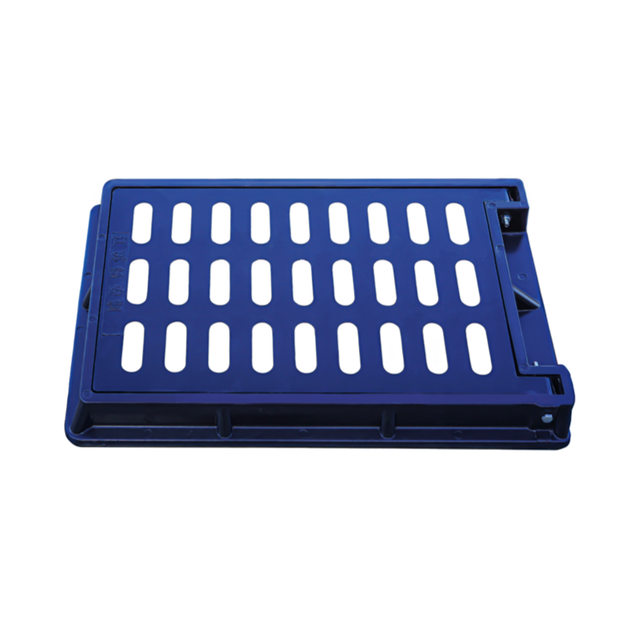
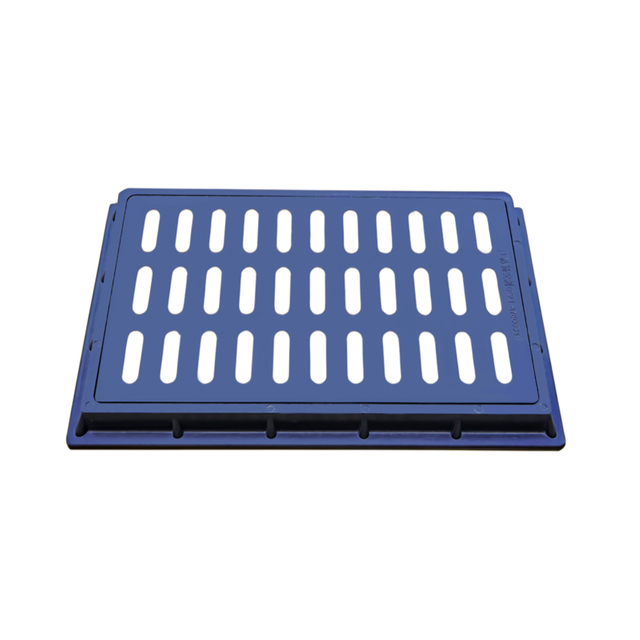
Drain grates have open slots to collect stormwater, while solid covers seal sanitary sewers and utility vaults. Using the wrong term can lead to incorrect quotations, delays, and a new purchasing process, so always describe the product based on its actual function.
Replacement covers must match the existing frame dimensions, especially the seating depth. A cover that sits too low can create trip or impact hazards, while one that sits too high may be damaged by traffic or snowplows. Always provide the frame depth and other key dimensions when requesting a replacement.
Text alone may not clearly define flange sizes, bolt locations, gasket details, or other important features. Attach the latest CAD drawings or specification sheets to the quotation request so the manufacturer can produce or quote the exact required design instead of a standard product.
Before issuing the purchase order, compare the supplier's quotation with the engineering requirements. Check the load rating, clear opening dimensions, freight and delivery terms, and required compliance documents such as MTRs or BAA certificates. Finding errors before ordering helps avoid returns, extra costs, and project delays.
A meticulously detailed quote request serves as your strongest defense against procurement delays. Utilizing templates and exact specifications eliminates hidden freight costs and prevents installation failures. Evaluate returned quotes comprehensively. Do not base your decision solely on the lowest price. Assess the vendor's responsiveness, the clarity of their itemized costs, and their ability to provide compliance documentation. Take immediate action to streamline your procurement process.
Download and distribute the standardized RFQ template to your entire procurement team.
Consult with your site engineers to confirm exact load ratings and dimensional requirements before contacting vendors.
Audit your current project for specific compliance mandates, such as the Buy America Act, to filter vendors early.
Require vendors to submit Material Test Reports and proof-load documentation with their initial bid.
Contact the foundry's engineering team directly for any complex custom requirements or specialized tooling needs.
A: Clear opening dimensions, load rating/traffic type, material preference, and delivery location.
A: Measure the exact diameter and thickness of the existing cover, and the clear opening of the frame it sits in.
A: Yes, citing exact city or county standard details helps the foundry instantly identify the pre-approved casting required for your jurisdiction.
A: Only if a precise delivery address and site-receiving conditions are provided; otherwise, quotes are often given as FOB factory.
A: Standard quotes take 24-48 hours, while custom badging or specialized engineering requests may take up to a week for accurate tooling estimates.
A: Ductile iron generally has a higher upfront material cost but offers a higher strength-to-weight ratio, potentially lowering freight and installation costs.
A: Yes, if purchasing a complete assembly. If buying only a replacement cover, you must ensure the new cover matches the existing frame's seating profile.