Views: 0 Author: Site Editor Publish Time: 2025-10-29 Origin: Site


Have you ever thought about the risks of mishandling manhole covers? These often-overlooked pieces of urban infrastructure play a vital role in keeping our cities safe. Improper handling of manhole covers can lead to serious accidents and infrastructure damage.
In this article, we will discuss the critical safety practices involved in opening and handling manhole covers and gratings. You will learn how to handle them safely, preventing injuries and ensuring smooth operations in urban environments.
Manhole covers come in various designs and materials based on their function and the environment they serve. The two main types of manhole covers are solid, sealed covers, and perforated or ventilated covers.
● Solid and Sealed Covers: These are typically used for underground utility access and are designed to be completely sealed. They prevent water, debris, and unauthorized entry while offering strong protection for both the infrastructure and people.
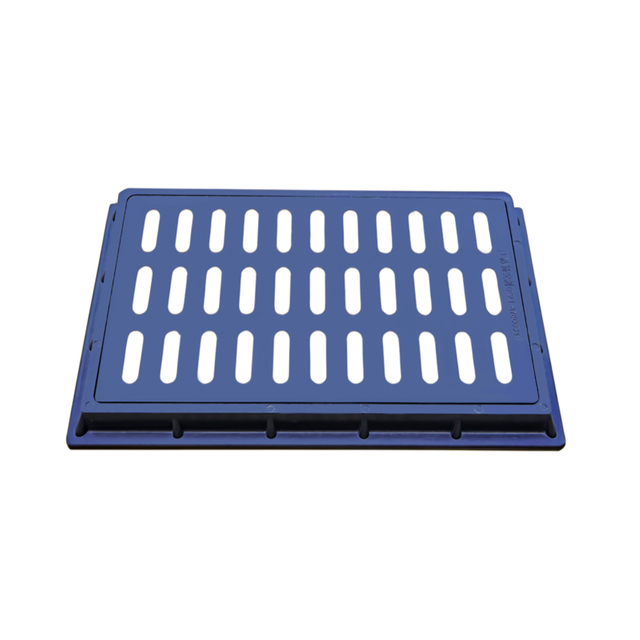
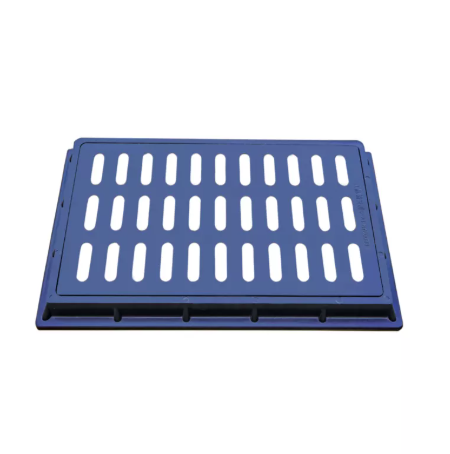
● Perforated or Ventilated Covers: Often used for sewer systems or ventilation purposes, these covers allow gases and air to circulate and escape from the underground space, making them ideal for areas prone to hazardous gas buildup.
Type of Cover | Description | Common Materials | Usage |
Solid and Sealed | Prevents debris and unauthorized access. | Cast Iron, Ductile Iron | Underground utility access, high-traffic areas |
Perforated/Ventilated | Allows air and gas circulation, often used for sewers | Cast Iron, Ductile Iron, Composite | Sewer systems, areas with gas buildup |
The common materials used for manhole covers include:
● Cast Iron: Known for its durability and strength, cast iron is often used for high-traffic areas and busy roads. It can withstand the pressure and impact from vehicles, making it the most commonly used material.
● Ductile Iron: A more flexible alternative to cast iron, ductile iron is used in areas that experience high impact and vibration. It resists cracking and can absorb more stress, making it ideal for industrial areas and highways.
● Composite Materials: Composites, made from materials like fiberglass or polymer, offer lightweight, rust-resistant, and corrosion-resistant alternatives. They are perfect for pedestrian areas but generally not suitable for heavy vehicle traffic areas due to their limited strength.
Material | Benefits | Best Use Case |
Cast Iron | Durable, high strength, corrosion-resistant | Heavy traffic areas, roads, highways |
Ductile Iron | Flexible, impact-resistant, corrosion-resistant | Industrial areas, high-impact zones |
Composite | Lightweight, rust-resistant, non-corrosive | Pedestrian areas, low-traffic zones |
Steel | Strong, resistant to corrosion | Areas exposed to chemicals, industrial zones |
Unlike solid manhole covers, drain grates are designed to allow water to flow through while preventing larger debris from clogging drainage systems. These grates play an essential role in stormwater management, preventing floods and keeping drainage systems clear. Common types include:
● Slot Grates: These are typically found along street curbs and gutters. Their design allows water to pass through while blocking debris, which helps in draining rainwater efficiently.
● Mesh Grates: Designed for areas requiring higher drainage capacity, mesh grates feature a more open design to accommodate heavy water flow.
Materials commonly used for drain grates include cast iron, steel, and composite materials, all chosen for their ability to withstand environmental stress, heavy loads, and constant exposure to water.Choose the right type of cover based on the environment. For high-traffic roads, metal manhole covers are ideal, while lighter composite covers are better suited for residential or low-traffic areas.
Before attempting to open or handle a manhole cover or drain grate, it is crucial to conduct a thorough inspection of the cover and surrounding area. Assess the condition of the cover to ensure it is secure and free from any damage that may compromise its structural integrity. Look for signs of:
● Rust: Over time, rust can weaken the cover and make it more difficult to remove. Regular inspection for rust or corrosion is necessary for maintaining the cover's durability.
● Cracks or Chips: Cracks or chips in the material can lead to complete failure of the cover under pressure. Check for any structural damage to ensure that the cover can safely withstand the weight it is designed to bear.
● Weight Load: Manhole covers can vary in weight depending on the material and design. Before attempting to lift or remove a cover, it is essential to assess its weight to ensure you're using the appropriate tools for safe handling.
Using the right tools is crucial to ensuring safe and efficient handling of manhole covers. Depending on the size, weight, and design of the cover, you may need different tools to remove and replace the cover. Common tools used for manhole cover handling include:
● Lifting Handles: These are designed for covers with built-in lifting points, allowing you to lift and remove the cover safely without causing strain on your body.
● Hydraulic Lifts: For heavy-duty covers, hydraulic lifts are necessary to assist in lifting the cover safely without putting undue stress on the workers.
● Pry Bars: Used for covers without lifting handles, pry bars help to break the seal between the cover and the frame, making it easier to lift the cover.
Tool | Purpose | Recommended Use |
Lifting Handles | Allows for easy lifting of manhole covers with built-in lifting points | Suitable for covers with lifting points |
Hydraulic Lifts | Assists in lifting heavy-duty covers | Ideal for very heavy covers or when mechanical assistance is needed |
Pry Bars | Breaks the seal between the cover and the frame | For covers without lifting handles, to remove or adjust the cover |
Lifting manhole covers improperly can lead to back strain and other injuries. Follow these best practices when lifting manhole covers:
● Use Lifting Handles: If the cover has lifting handles, use them to maintain balance while lifting. Make sure the handles are secure before lifting the cover.
● Use Proper Posture: When lifting, always bend at your knees, not your back, to avoid strain. Keep your back straight and use your legs to lift, as they are much stronger than your back muscles.
● Mechanical Assistance: For covers that are too heavy or difficult to lift manually, always use mechanical tools such as hydraulic lifts or winches. These tools significantly reduce the physical strain on workers and minimize the risk of injury.
To safely open and replace manhole covers, follow these steps:
● Clear the Area: Ensure that the area around the cover is free of debris and obstacles before attempting to remove it.
● Use Locking Mechanisms: Check for any locking systems on the cover. These mechanisms help secure the cover in place, preventing unauthorized access and enhancing safety. Ensure that the lock is in working condition before removing the cover.
● Replace the Cover Securely: Once the necessary work is done underground, replace the cover securely by aligning it properly with the frame. Make sure that the cover is firmly seated to prevent it from moving or being dislodged.
Adhering to safety standards, such as those set by OSHA (Occupational Safety and Health Administration), is essential when handling manhole covers. These guidelines are specifically designed to protect workers from hazards such as gas exposure, falls, and injuries caused by improper lifting techniques. Here are some key considerations:
● Air Quality: Before removing a cover, check for hazardous gases such as methane or carbon monoxide. These gases can build up in confined spaces and pose serious health risks.
● Physical Barriers: Always use physical barriers to restrict access to the open manhole. This prevents pedestrians, workers, and vehicles from accidentally falling into the hole.
Manhole covers are often targeted for theft due to their valuable scrap metal content. This can pose a serious security risk, especially in urban areas. To prevent theft and unauthorized access:
● Use Tamper-Proof Locks: Install locks designed to deter tampering or unauthorized removal of covers. These locks help keep covers secure and prevent theft.
● Mark the Covers: Some covers come with identification marks or tamper-evident seals. These markings help authorities trace stolen covers and discourage theft.
Routine maintenance is essential for ensuring the safety and functionality of manhole covers. Regular inspections should be conducted to check for signs of wear and tear. Here’s what should be checked during regular maintenance:
● Inspect for Damage: Look for cracks, rust, or other signs of damage that could compromise the cover’s structural integrity.
● Clean Grates and Covers: Ensure that grates and covers are cleaned regularly to prevent debris buildup, which could block drainage or cause issues during maintenance.
● Check Seals and Locks: Ensure that seals are intact and that locking mechanisms are working properly. This prevents unauthorized access and keeps the underground utilities secure.
If a manhole cover becomes damaged, it is essential to address the issue immediately. A damaged cover can pose significant risks to public safety and infrastructure. Here are the steps for handling a damaged cover:
● Assess the Damage: Determine if the cover can be repaired or if it needs to be replaced. For minor damage, it may be possible to repair the cover, while more severe damage may require a complete replacement.
● Work with Professionals: If the damage is extensive or beyond the scope of in-house repair, consult professionals to ensure the cover meets safety standards and is restored to its original condition.
With the rise of smart cities, manhole covers are now becoming equipped with advanced technologies. IoT-enabled covers feature sensors that monitor various environmental conditions, such as:
● Temperature: These sensors detect abnormal temperatures beneath the cover, alerting workers to potential problems like overheating or fire risks.
● Gas Leaks: Smart covers can detect dangerous gases such as methane or carbon monoxide, sending real-time alerts to maintenance teams.
● Water Levels: Sensors monitor flooding or blockages within drainage systems, allowing for proactive maintenance.
Smart Feature | Description | Benefits |
Temperature Sensors | Detects abnormal temperatures beneath the cover | Alerts workers to potential overheating or fire risks |
Gas Leak Sensors | Monitors for dangerous gases like methane and carbon monoxide | Improves safety by detecting hazardous gases in real-time |
Water Level Sensors | Monitors water levels to detect flooding or blockages | Helps in proactive maintenance, preventing flooding |
Vibration Sensors | Detects tampering or movement of the cover | Prevents theft and unauthorized access |
Automated systems are increasingly being used to assist with the opening, closing, and monitoring of manhole covers. These systems provide several benefits:
● Reduced Risk of Injury: Automation reduces the need for manual labor, which lowers the risk of injury associated with lifting heavy covers.
● Improved Efficiency: Automated systems can handle multiple covers simultaneously, speeding up the maintenance process and reducing downtime.
Opening and handling manhole covers and gratings requires careful planning, the right tools, and a commitment to safety. By following proper procedures, using the correct equipment, and adhering to safety regulations, workers can ensure that these critical infrastructure components are safely and efficiently maintained. The integration of smart technologies is also enhancing safety and improving efficiency, making the future of manhole cover handling even more secure.
At Jiangsu Chang'an Manhole Cover Co., Ltd., we provide high-quality manhole covers designed with durability and safety in mind. Our products are engineered to withstand heavy-duty usage while ensuring ease of handling. With cutting-edge technologies and reliable service, we offer the best solutions for managing urban infrastructure.
A: Manhole covers provide secure access to underground utilities such as water, gas, and sewage systems while protecting the public and workers from hazardous conditions.
A: Use proper lifting techniques, including lifting handles or hydraulic lifts for heavy covers. Always bend your knees, not your back, to prevent injury.
A: Improper handling can lead to injuries, such as muscle strain or exposure to hazardous gases. Safe handling ensures worker protection and infrastructure integrity.
A: Manhole covers are commonly made from cast iron, ductile iron, or composite materials, depending on the environment and load-bearing requirements.
A: Smart manhole covers with sensors detect gas leaks, monitor temperature, and provide real-time alerts, improving safety and efficiency in maintenance.