Views: 0 Author: Site Editor Publish Time: 2025-12-09 Origin: Site


Water grates are essential for controlling surface water runoff, preventing flooding and damage. Without them, properties can suffer from erosion and infrastructure degradation.
In this article, we’ll cover how to install and maintain water grates effectively. You’ll learn the steps to enhance your drainage system’s performance and ensure long-term durability.
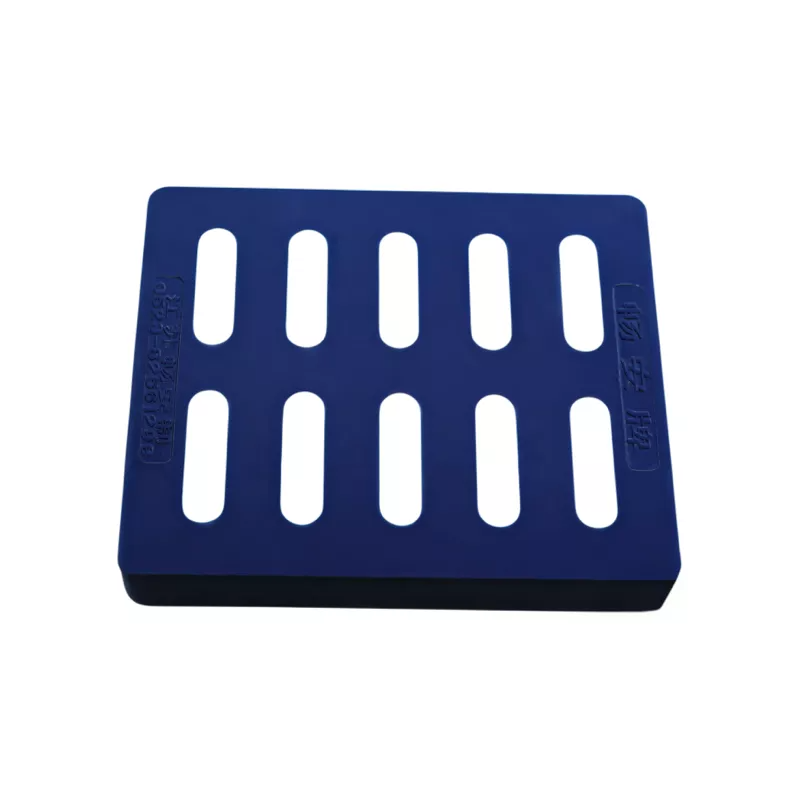
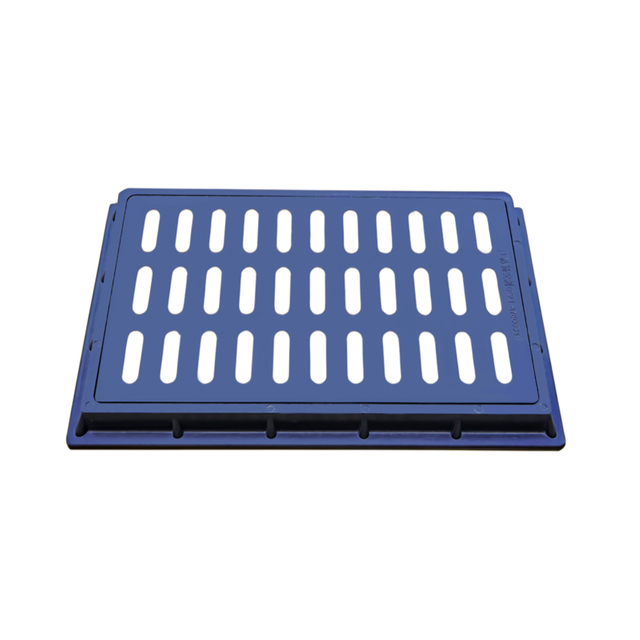
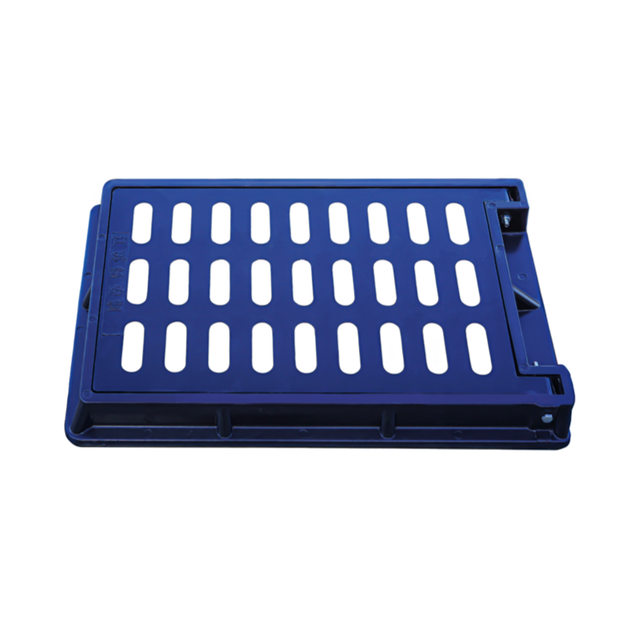
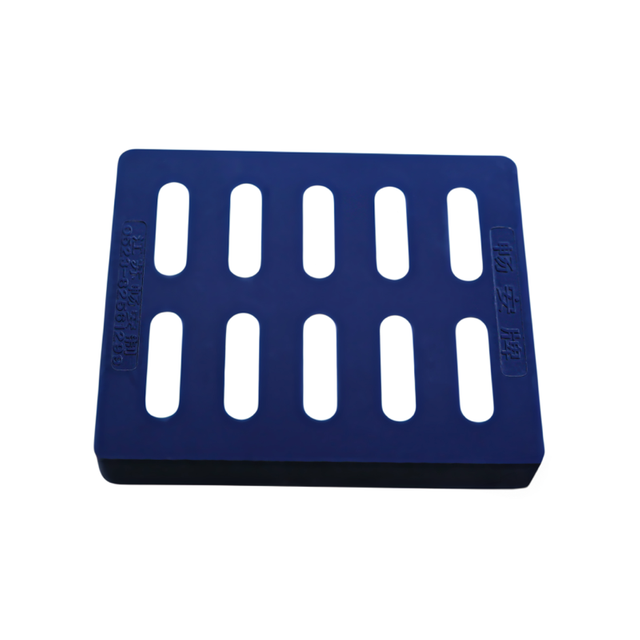
Water grates are designed to cover drainage channels, ensuring that water is collected and directed to the drainage system without allowing larger debris, like leaves and trash, to enter. These grates are available in a variety of materials, including plastic, stainless steel, and polymer, which makes them adaptable for different environments, from residential areas to commercial and industrial zones.
The primary function of water grates is to regulate the flow of water into the drainage system while maintaining structural integrity. Depending on the material used, water grates can be equipped with the following key features:
Corrosion Resistance: Many water grates are made from UV-stabilized plastic or stainless steel, ensuring they are durable and can withstand harsh weather conditions such as intense sunlight or rainfall.
Load Capacity: Some grates are reinforced to support heavier loads, making them suitable for high-traffic areas such as driveways, parking lots, and roads.
Understanding the various types of water grates and their functionalities will help you select the best option for your drainage needs.
The primary role of water grates is to prevent flooding by diverting excess water away from surfaces where it can cause harm. Water grates direct water into drainage channels, reducing the potential for water pooling in unwanted areas. This is especially important in regions prone to heavy rainfall or in areas with poor drainage systems. Water grates help mitigate the following risks:
Reducing Water Pooling: By redirecting water away from the surface, water grates prevent the accumulation of water, which can lead to hazardous conditions like slippery sidewalks and driveways.
Preventing Erosion: When water isn't managed properly, it can erode the soil, damaging plants and foundations. Water grates help protect both landscaping and infrastructure by channeling water effectively into the drainage system.
Protecting Infrastructure: Water pooling can deteriorate concrete, asphalt, and other materials. By controlling runoff, water grates help preserve the condition of roads, driveways, and other paved surfaces.
In areas where water runoff is not properly controlled, property damage, expensive repairs, and landscape degradation are common issues. Installing and maintaining water grates can prevent such problems and keep your property safe.
Before installing water grates, it’s vital to assess the specific drainage requirements of your site. This will ensure that you select the appropriate grates and install them correctly:
Rainfall Intensity: Determine how much rainfall your area typically receives. In regions with heavy rainfall, larger or more robust drainage systems, including higher-capacity water grates, may be necessary to handle the increased water flow.
Soil Type: Different soil types affect water drainage rates. Clay-heavy soils tend to absorb water more slowly, while sandy soils allow water to flow through quickly. Understanding the soil composition of your area will help you gauge the required drainage system.
Landscape Slope: A natural slope aids in water flow, allowing it to move toward drainage areas. Before installation, ensure the site has an adequate slope (at least 1%) to encourage proper water movement.
These factors should be evaluated carefully to ensure your drainage system can efficiently manage water runoff and prevent flooding or water damage.
Selecting the right type of water grate depends on the intended use and environment. Here are a few options to consider based on the type of area:
| Area Type | Material Options | Load Capacity | Recommended Use |
|---|---|---|---|
| Residential Areas | Plastic, Polymer | Light Duty | Gardens, Patios, Walkways |
| Commercial Areas | Stainless Steel, Reinforced Plastic | Medium Duty | Driveways, Parking Lots |
| High-Traffic Areas | Reinforced Steel | Heavy Duty | Roads, Industrial Zones |
| Decorative Options | Decorative Polymers | Light to Medium Duty | Aesthetic Purposes, Public Spaces |
Choosing the right type of water grate ensures optimal performance and durability based on your specific needs.
The location of your water grates is critical to the success of the drainage system. Proper planning ensures that water grates will function efficiently:
Avoiding Utility Lines: Before digging trenches for installation, check the location of underground utility lines (such as gas, water, or electric lines) to avoid damaging them.
Ensuring Proper Slope: The trench should be excavated to maintain a slight downward slope, which encourages water to flow away from structures and into the drainage system. The recommended slope is typically at least 1% (about 1/8 inch per foot).
Accessibility: Choose an installation site that allows for easy access to the grates for cleaning and maintenance. Avoid placing grates in areas that are difficult to reach or obstructed by other structures.
Proper site planning not only ensures that the drainage system works efficiently but also helps minimize future maintenance challenges.
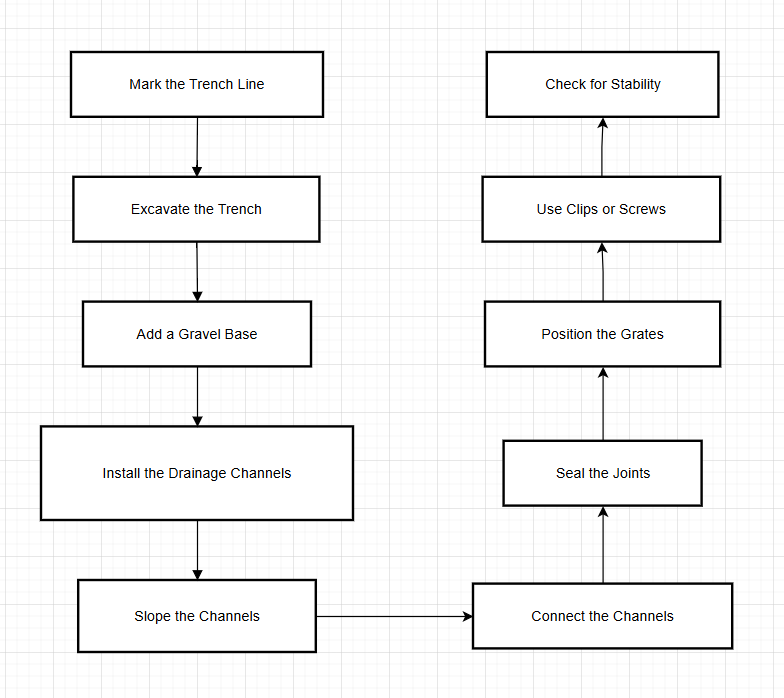
The trench preparation is crucial for proper installation. Follow these steps to ensure your trench is ready:
Mark the Trench Line: Use stakes and string to outline the trench path, ensuring the installation site is properly marked and aligned.
Excavate the Trench: Dig the trench to a depth of 6 to 8 inches, with a width that is at least double the width of the drainage channel to accommodate both the channel and grate.
Add a Gravel Base: Place a 2 to 3-inch layer of gravel at the bottom of the trench to facilitate water drainage and prevent settling over time.
Proper trench preparation is vital for ensuring the water grate fits securely and allows water to flow properly.
Once the trench is prepared, the next step is to install the drainage channels:
Slope the Channels: Ensure the drainage channels are installed at a slope of at least 1% to allow for natural water flow.
Connect the Channels: Use connectors provided by the manufacturer to join sections of the drainage channels, ensuring they are properly aligned to maintain an uninterrupted flow.
Seal the Joints: Use silicone or rubber gaskets to seal the joints between the drainage sections. This will prevent any water from leaking out of the system.
Properly installed channels ensure that the water grates work as intended, effectively diverting water to the drainage system.
Once the channels are in place, it’s time to secure the water grates:
Position the Grates: Place the grates over the drainage channels, ensuring they fit snugly and align with the surrounding ground.
Use Clips or Screws: Secure the grates using clips or screws provided by the manufacturer, ensuring they are flush with or slightly below the surrounding ground level.
Check for Stability: After installation, check that the grates are stable and do not shift under foot or vehicle traffic.
Securing the grates ensures that they will remain in place over time and continue to function effectively.
Regular cleaning is essential to keep your water grates functioning efficiently:
| Maintenance Task | Frequency | Tools Needed | Tips |
|---|---|---|---|
| Remove Debris | Weekly or after heavy storms | Gloves, Tongs, Broom | Remove leaves and twigs |
| Flush Drainage Channels | Monthly or as needed | Hose, Pressure Washer | Use low pressure to avoid damage |
| Inspect for Blockages | Quarterly | Flashlight, Gloves | Check for dirt buildup or blockages |
Routine cleaning ensures that your water grates remain efficient and prevent buildup that could cause clogs.
Inspecting the connections and fasteners is important for maintaining the integrity of the drainage system:
Tighten Fasteners: Over time, fasteners can loosen due to exposure to weather and foot or vehicle traffic. Periodically tighten them to maintain the stability of the grates.
Check for Alignment: Misaligned grates can hinder water flow and cause pooling. Ensure the grates are aligned properly for optimal performance.
Regular inspections help prevent minor issues from becoming major problems.
Sometimes, blockages or damaged grates can occur:
Identify Blockages: If the drainage system is not performing as expected, inspect the grates and channels for debris or blockages.
Repair or Replace Damaged Grates: If the grates are cracked or damaged, replace them promptly to prevent further issues.
Timely repairs ensure that the drainage system remains functional and efficient.
An improper slope can cause water to pool in certain areas, reducing the efficiency of the drainage system:
Adjust the Slope: Ensure that the trench and drainage channels are properly sloped to encourage the natural flow of water.
Proper slope ensures that water flows away from structures, reducing the risk of flooding and water damage.
Damage or misalignment can disrupt water flow and damage the drainage system:
Realign Grates: If the grates are misaligned, adjust them so they fit properly over the drainage channels.
Replace Damaged Components: If the grates or channels are damaged beyond repair, replace them to maintain the system’s efficiency.
Regular maintenance and realignment help keep the system running smoothly.
If water is bypassing the system, there may be leaks or gaps:
Check Seals: Ensure that all seals between drainage sections are intact and properly fitted to prevent leaks.
Repair Leaks: If any leaks are detected, reseal the joints with silicone or replace damaged seals to prevent water from escaping.
Ensuring proper sealing around the channels and grates is essential for preventing water loss.
| Issue | Cause | Solution |
|---|---|---|
| Water Pooling | Improper slope or clogged channels | Re-align the slope, clean channels |
| Damaged Grates | Heavy traffic or weather damage | Replace or repair damaged grates |
| Water Leakage | Loose joints or damaged seals | Reseal joints, replace gaskets |
| Debris Blockage | Leaves, twigs, or trash obstructing flow | Regularly clean and flush the system |
Proper maintenance during different seasons is essential to keeping your water grates in good condition:
Fall Maintenance: Regularly remove leaves and debris that can clog the grates.
Winter Maintenance: In colder climates, ensure ice doesn’t build up around the grates, which could obstruct water flow.
Seasonal maintenance ensures that your drainage system functions properly year-round.
Over time, erosion can weaken the surrounding landscape and damage the drainage system:
Check for Erosion: Ensure that the area around the drainage system remains intact and doesn’t erode due to water flow.
Repair Erosion Damage: Address any erosion or soil damage quickly to prevent long-term issues.
Preventing erosion helps maintain the integrity of both the drainage system and the surrounding landscape.
Regular maintenance not only improves performance but also extends the lifespan of your water grates:
Inspect for Wear and Tear: Periodically inspect grates for cracks or signs of damage.
Clean Regularly: Keeping the grates clean ensures they continue to function effectively and last longer.
Proper care and regular inspections help extend the longevity of your water grates, ensuring they continue to perform optimally.
Proper installation and regular maintenance of water grates are vital for an efficient drainage system. By selecting the right grates and ensuring proper installation, you protect your property from water damage. Regular upkeep extends the lifespan of your system and prevents issues like blockages.By following the guidelines provided in this article, you can avoid common problems and enhance the performance of your water grates. This will ensure your drainage system operates effectively for years to come.
Jiangsu Chang'an Manhole Cover Co., Ltd. offers high-quality water grates designed for durability and efficient water management. Their products provide value by combining superior materials with exceptional design, ensuring long-lasting performance and reliability.
A: Water grates are covers placed over drainage channels to allow water flow while blocking debris. They are essential for managing surface runoff, preventing flooding, and protecting infrastructure from water damage.
A: To install water grates, first prepare the trench with the right slope. Then, position the drainage channels, secure them with clips, and place the grates over the channels. Ensure they are aligned and flush with the surface.
A: Regular cleaning is essential to prevent clogging. Remove leaves and debris from the grates, and inspect the drainage system for blockages. Periodic maintenance ensures long-lasting performance.
A: Regular maintenance helps prevent blockages and damage, ensuring optimal water flow. It extends the lifespan of the water grates and avoids costly repairs to the drainage system.
A: The cost of water grates varies based on material, size, and load capacity. Light-duty plastic grates are generally affordable, while heavy-duty options may be more expensive due to their durability and reinforced design.