Views: 0 Author: Site Editor Publish Time: 2025-12-07 Origin: Site


Are you worried about water pooling in your driveway or patio after a heavy rain? Choosing the right water grates can help prevent flooding and damage to your property. In this guide, we’ll explore how to select the best water grates for your needs.
In this article, we will discuss the factors to consider when choosing the right grates, from materials to design and functionality. You'll learn how to enhance your drainage system and improve safety around your property with the right water grates.

Choosing the right water grates for your property is crucial for both functionality and aesthetics. Water grates are designed to efficiently manage water runoff, preventing flooding and water damage. Whether you're looking to upgrade an existing drainage system or installing a new one from scratch, selecting the appropriate grate will ensure that water flows properly, maintain safety, and enhance the overall appearance of your space.
Water grates serve as a key element in any drainage system, channeling excess water away from surfaces and ensuring that it is directed to the right outlets. By using the right grate, you’ll avoid standing water, which can lead to erosion, foundation damage, or even slipping hazards. In high-traffic areas, they also provide a safe surface for pedestrians, vehicles, and heavy equipment to pass over.
Key Considerations:
Drainage Efficiency: Properly sized and installed grates ensure optimal water flow, reducing the risk of water pooling or flooding.
Safety: A grate designed for pedestrian or vehicle traffic can prevent accidents, reducing liability risks.
Aesthetic Appeal: Modern, well-designed grates enhance the visual appeal of both residential and commercial spaces by integrating seamlessly into the surroundings.
Water grates, also known as drain covers or grate drains, are used to cover drainage systems and allow water to flow through while preventing debris, leaves, or large particles from entering the pipes below. They are typically installed in outdoor areas such as sidewalks, parking lots, and patios. These grates are designed to handle the specific water flow needs of different environments, from residential properties to high-traffic commercial complexes.
The function of a water grate is simple yet essential: it ensures that water can flow into the drainage system without obstruction, while also preventing larger debris, such as fallen leaves or trash, from clogging the pipes. Grates are carefully designed to allow water to disperse efficiently, reducing the risk of flooding and soil erosion in areas with heavy runoff.
| Type of Water Grate | Material | Ideal Use Case | Key Feature |
|---|---|---|---|
| Wedge Wire Grates | Stainless Steel | High-flow areas (e.g., swimming pools, industrial zones) | Durable, continuous water flow |
| Tile-Insert Grates | Stainless Steel, Composite | Residential areas (e.g., bathrooms, showers) | Seamless integration with tiles |
| Ductile/Cast Iron Grates | Cast Iron | High-traffic areas (e.g., driveways, roads) | Strong, suitable for heavy vehicle traffic |
| Polymer/Composite Grates | Composite Material | Residential and low-traffic areas | Lightweight, corrosion-resistant |
Each type of grate offers unique benefits based on the specific needs of your property. Wedge wire grates are excellent for areas with high water volume, such as driveways or industrial zones, while tile-insert grates provide a clean, unobtrusive appearance ideal for residential settings.
The material of your water grate plays a vital role in its performance, longevity, and resistance to various environmental factors. Different materials are suited to different environments, and choosing the right one will ensure that your drainage system remains both efficient and durable for many years.
Stainless Steel (304/316): Stainless steel is ideal for environments prone to corrosion, such as coastal areas or swimming pools. It resists rust and maintains its structural integrity even in humid, saline, or chemically aggressive environments. This makes it a top choice for areas that require high corrosion resistance, ensuring long-lasting durability.
Ductile/Cast Iron: A sturdy, time-tested material, cast iron is an excellent choice for roads, driveways, and high-traffic zones. It is well-suited for areas where heavy vehicles will pass, offering both durability and strength. However, it may require periodic maintenance due to potential rusting when exposed to moisture over time.
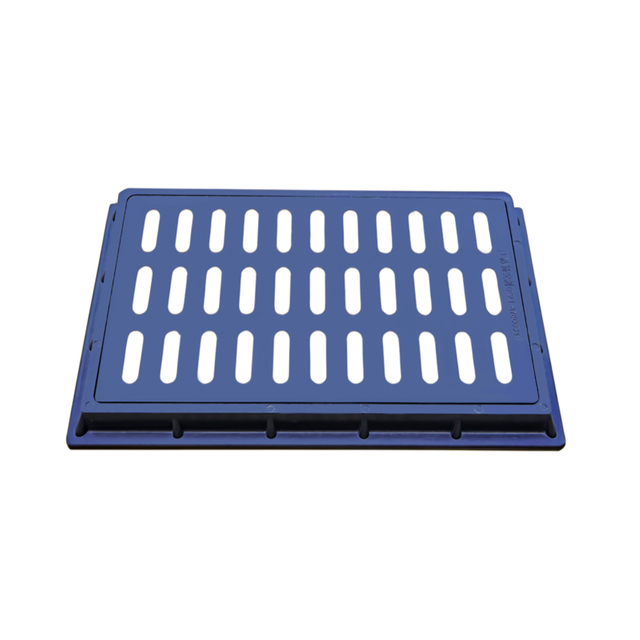
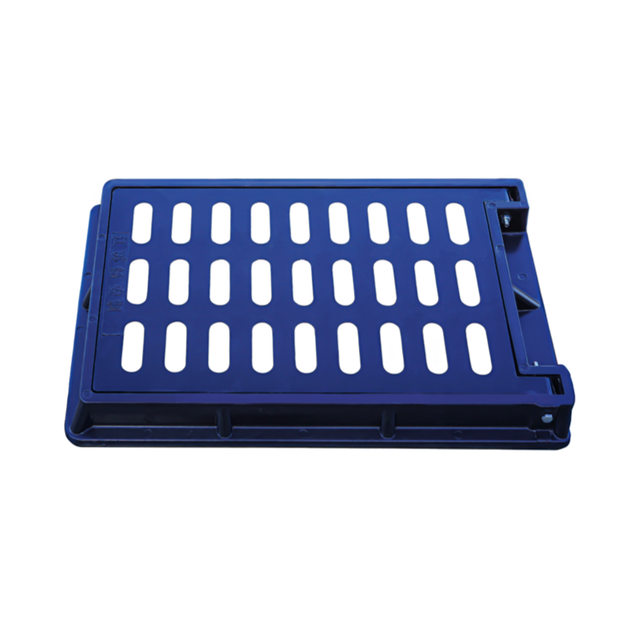
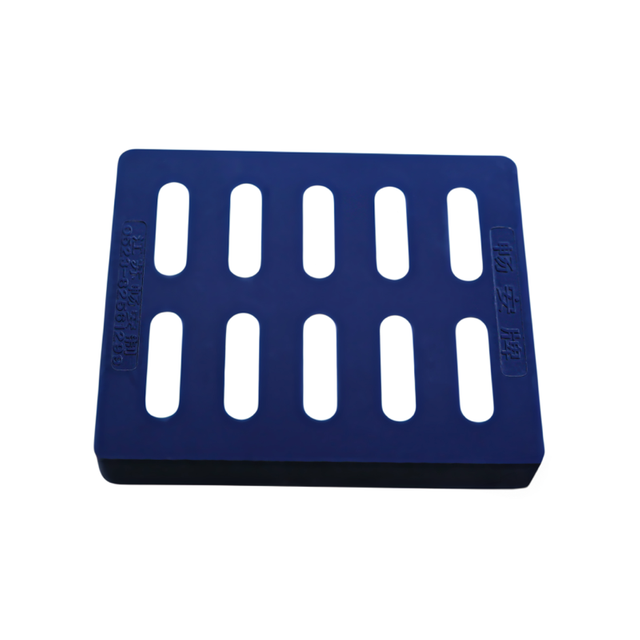
Polymer/Composite Grates: Lightweight, corrosion-resistant, and cost-effective, these grates are perfect for residential properties and areas where aesthetics are a priority. They are also quieter under foot traffic, making them ideal for environments like walkways or patios.
| Material | Benefits | Ideal Environment | Potential Drawbacks |
|---|---|---|---|
| Stainless Steel (304/316) | Corrosion-resistant, durable, low maintenance | Coastal, chemical exposure areas | Higher cost |
| Ductile/Cast Iron | Strong, ideal for heavy traffic areas | Roads, driveways, industrial zones | Susceptible to rust, requires maintenance |
| Polymer/Composite | Lightweight, cost-effective, corrosion-resistant | Residential areas, decorative needs | May not be as durable as metals |
The longevity of water grates depends largely on their material composition. Stainless steel, for instance, has a long lifespan and is resistant to corrosion, making it perfect for areas with heavy exposure to water, chemicals, and environmental factors. Cast iron, while durable, may require periodic maintenance, as it is more susceptible to rust when exposed to moisture or harsh conditions.
Polymer and composite materials, while generally more affordable, may not be as durable as metal options but offer excellent resistance to corrosion and are ideal for residential environments or areas where aesthetics are a priority. Choosing the right material is key to ensuring your grates perform optimally over time.
To ensure optimal water flow, you need to select the right grate size and channel capacity based on the amount of water your property typically experiences. The open area of the grate directly impacts the volume of water it can handle. For properties in areas prone to heavy rainfall or frequent storms, selecting a grate with a larger open area or wider channel will help ensure efficient drainage, preventing potential water buildup, pooling, or flooding.
For example, a 1 ¼ inch slot grate opening can allow 27 gallons of liquid per minute per foot, making it suitable for high-flow applications like driveways, outdoor patios, or other areas prone to large amounts of water runoff.For areas with frequent heavy rains or storm surges, select grates with higher hydraulic capacity to prevent water buildup and ensure efficient drainage during peak flow events.To help you choose the right grate size for your property, here’s a table showing different slot sizes and their flow capacities.
| Grate Slot Size | Flow Capacity (Gallons per Minute per Foot) | Recommended Use |
|---|---|---|
| 1 ¼ inch slot | 27 | High-flow areas like driveways, patios |
| ½ inch slot | 10 | Moderate flow areas like walkways |
| 1 inch slot | 16 | Residential yards or light traffic areas |
Aesthetic considerations are often just as important as functionality when selecting water grates. Grates come in a variety of designs, from sleek, modern looks to more traditional, decorative options. Choosing the right design not only enhances the functionality of your drainage system but also complements the surrounding space, adding to the overall appearance of your property.
Powder-Coated Finishes: Ideal for urban settings or residential areas, powder-coated grates come in a variety of colors and can be customized to match the exterior design of your property. This allows for seamless integration into your landscape design.
Brushed Stainless or Architectural Bronze: These premium materials provide a more elegant and sophisticated look, making them perfect for luxury residential or commercial spaces that require both style and functionality.
If you're focused on creating a seamless look with your flooring, tile-insert grates offer a clean, integrated design that blends with the surrounding tiles, providing a nearly invisible drain system.
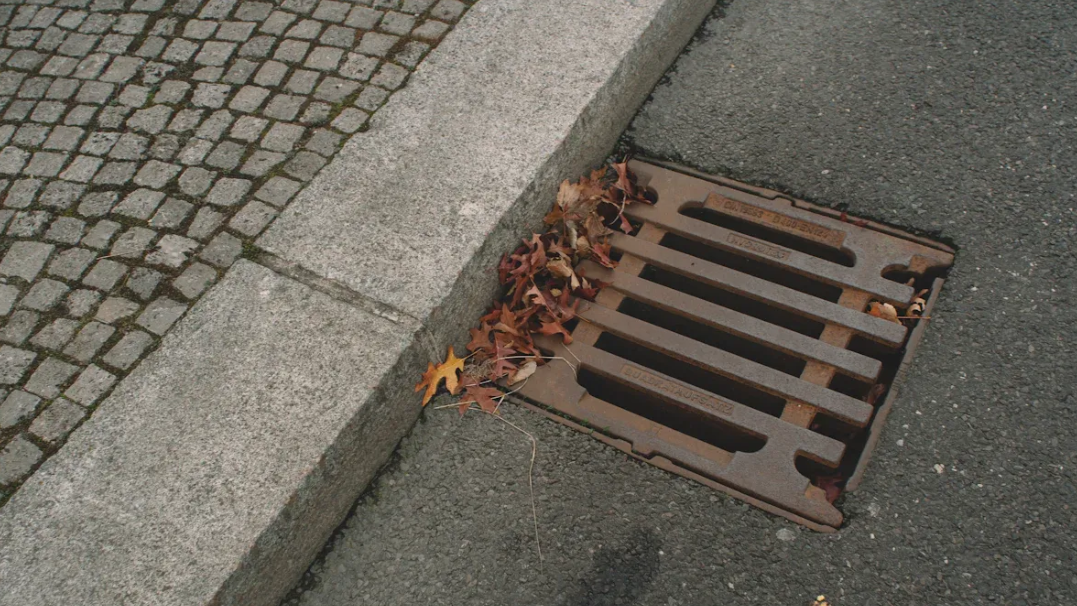
One of the most important functions of a water grate is ensuring safety, especially in high-traffic or wet areas. Areas with frequent water runoff, such as around pools, walkways, or driveways, can become slippery and dangerous. To prevent accidents, selecting slip-resistant grates is crucial for creating a safe environment.
Slip-Resistant Textures: These grates are designed with textured surfaces that provide extra grip, reducing the likelihood of slips, falls, and injuries. They are especially valuable in areas exposed to water, like pool decks or rainy walkways.
ADA Compliance: For public spaces, ensuring that your grates meet ADA standards is essential. ADA-compliant grates have small openings to prevent the wheels of wheelchairs, canes, or strollers from getting caught, ensuring accessibility for all individuals.
Consider using heel-proof grates in pedestrian-heavy areas to prevent tripping hazards and improve comfort for people walking in high-traffic zones.
In commercial and residential settings with high foot traffic, heel-proof grates are highly recommended. These grates feature small openings that prevent heels, canes, and small wheels from getting caught, providing added comfort and safety for pedestrians. Heel-proof designs are particularly important in areas where people walk frequently, such as on walkways or near public buildings.
Proper sizing and positioning are critical to ensuring that water grates perform efficiently. When installing grates, ensure that the grate covers a sufficient drainage area to handle the expected water volume. Grates should also be positioned in low points of your property to allow for the best water collection. For example, placing a grate along the edge of a driveway or patio where water tends to pool will help divert water efficiently toward the drainage system. Position your grates along areas where water naturally collects to maximize their efficiency and prevent flooding or waterlogging.
Proper maintenance is essential to ensuring the long-term functionality of your water grates. Regular cleaning and maintenance, such as removing debris and checking for clogs, will extend the lifespan of your grates. Many modern grates are designed with removable tops or debris baskets to make the cleaning process easier and more efficient, helping you maintain smooth, unobstructed water flow. Set up a maintenance schedule to inspect your grates after heavy storms or during peak seasons, particularly in areas with significant foliage or high levels of debris.
Selecting the best water grates for your property involves considering factors such as material durability, load capacity, and safety. By choosing the right grate based on your property's needs, you ensure effective water management, enhanced safety, and a visually pleasing drainage solution that will last for years. Consulting experts or drainage professionals helps avoid costly mistakes and ensures long-term system performance.
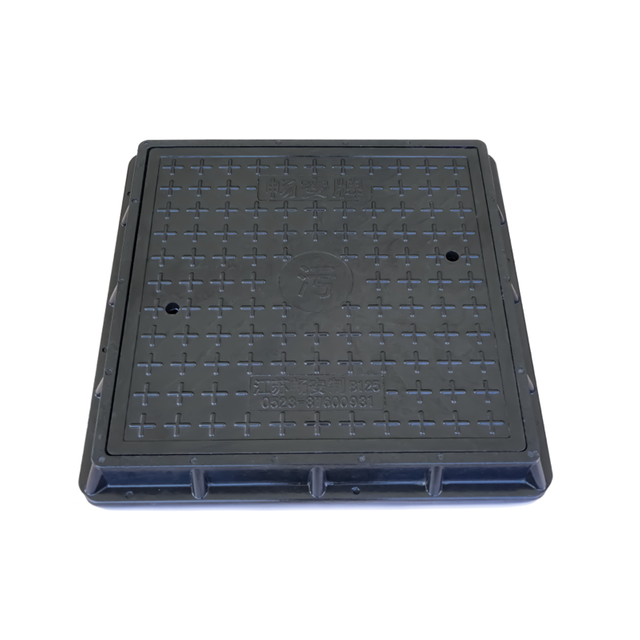
Jiangsu Chang'an Manhole Cover Co., Ltd. offers high-quality, durable water grates designed to provide excellent water flow and long-lasting performance. Their products are an ideal solution for both residential and commercial properties, ensuring safety and efficiency. Visit their website for more details on their products and services.
A: Water grates are designed to cover drainage systems, allowing water to flow through while preventing debris from clogging the pipes below. They ensure efficient water management by directing runoff to the drainage system.
A: Selecting the right water grate ensures proper water flow, prevents flooding, and enhances safety. It also improves the aesthetic appeal of your property, making it both functional and visually pleasing.
A: For driveways, choose durable materials like cast iron or stainless steel that can handle heavy traffic and large volumes of water. Make sure to select a grate with an appropriate size and channel capacity to prevent water buildup.
A: Stainless steel (304/316) is ideal for coastal areas due to its corrosion resistance. It will ensure long-lasting durability despite exposure to salty air and moisture.
A: Yes, water grates are easy to maintain. Regular cleaning to remove debris and checking for clogs will keep them functioning well for years. Many modern grates feature removable tops for easy maintenance.
A: The cost of water grates varies depending on material, size, and design. Stainless steel or cast iron grates are typically more expensive, while polymer and composite grates offer a more affordable option for residential use.