Views: 0 Author: Site Editor Publish Time: 2025-10-30 Origin: Site


Have you ever wondered about the critical infrastructure beneath your feet? Manhole covers are often overlooked, yet they are essential for public safety and urban efficiency. In this glossary, we’ll explore key terms related to manhole covers and gratings. You will learn about materials, types, and design innovations that make these components integral to city life. Understanding these terms will ensure you can select, install, and maintain them effectively.
Material | Pros | Cons |
Cast Iron | Strong, durable, corrosion-resistant | Heavy, prone to theft, difficult to handle |
Ductile Iron | Flexible, superior strength-to-weight ratio | Still heavy, installation can be difficult |
Composite Materials | Lightweight, corrosion-resistant, customizable | More expensive, may have lower load-bearing capacity |
Steel | Strong, ideal for lighter-duty covers | Requires treatment to resist rust, not ideal for heavy traffic |
Aluminum | Lightweight, corrosion-resistant | Not as strong as steel or iron in heavy-load applications |
Cast iron is one of the oldest and most commonly used materials for manhole covers due to its strength and durability. It has a long history of use in infrastructure projects, and its robustness makes it ideal for handling heavy loads.
● Pros: Cast iron is highly durable and resistant to wear, making it a reliable material for areas with heavy traffic. Its resistance to corrosion ensures that it can withstand the elements for many years.
● Cons: Although cast iron is strong, it is also relatively heavy, which can make installation and handling difficult. Additionally, due to its scrap value, it is prone to theft in certain high-risk areas.
Ductile iron is a modern evolution of cast iron, offering better flexibility and strength, making it more suitable for dynamic and high-impact environments like highways or industrial zones.
● Advantages: Ductile iron has superior tensile strength compared to traditional cast iron, meaning it can absorb impacts without cracking. It also has better corrosion resistance, making it a more reliable material in harsh conditions.
● Disadvantages: While more flexible than cast iron, ductile iron is still heavy, which can complicate handling and installation. However, the benefits often outweigh this drawback in high-demand areas.
Composite materials, including fiberglass, plastics, and reinforced polymers, are becoming increasingly popular in the production of manhole covers due to their lightweight nature and resistance to corrosion. These materials provide modern alternatives to metal covers.
● Benefits: Composite covers are lightweight, which makes them easier to install and handle. They also resist corrosion, rust, and chemicals, making them ideal for use in environments that are exposed to moisture or chemicals.
● Drawbacks: While composite materials are durable, they tend to be more expensive than traditional metals. Additionally, they may not offer the same load-bearing capacity as metal alternatives, making them less suitable for areas with heavy vehicular traffic.
Steel and aluminum are used less frequently than cast or ductile iron but can be suitable for specific applications where lightweight construction or higher corrosion resistance is required.
● Steel: Steel is a strong material that can withstand heavy loads, but it requires treatment to resist rust and corrosion. It is often used for lighter-duty covers in commercial and industrial applications.
● Aluminum: Known for being lightweight and resistant to corrosion, aluminum is used where ease of handling and installation is a priority, although it may not offer the same strength as steel or iron in high-load situations.
Manhole Cover Type | Description | Common Materials | Typical Use |
Standard Manhole Cover | Circular cover used to seal underground utilities | Cast iron, ductile iron, composite materials | Roads, sidewalks, utility access points |
Maintenance Hole Cover | Gender-neutral alternative for manhole covers | Cast iron, ductile iron | Public spaces, inclusive language usage |
Utility Hole Cover | Provides access to utility systems like water, gas, etc. | Cast iron, ductile iron | Urban utility networks, industrial zones |
Custom and Decorative Cover | Designed for aesthetic or branding purposes | Composite, aluminum, steel | Parks, malls, historical areas |
A standard manhole cover is typically round and used to seal access points to underground utilities, including sewer systems, electrical lines, and water pipes.
● Material options: Most standard manhole covers are made from cast iron or ductile iron due to their durability and strength.
● Features: The circular design of manhole covers helps prevent them from falling through the hole, which is a critical safety feature. The cover fits securely over the manhole, ensuring that it stays in place even under heavy traffic.
The term maintenance hole cover is increasingly being used as a gender-neutral alternative to “manhole cover.” This term is particularly common in certain regions, such as California, and has become the preferred terminology in some municipalities.
● Use case: A maintenance hole cover serves the same purpose as a standard manhole cover but uses more inclusive language. This term is used for covers that provide access to underground utilities in public spaces.
Utility hole covers are used to provide access to various utility systems, including water, gas, and sewage networks. These covers ensure that utility workers can safely enter and maintain underground systems.
● Design: These covers are typically made from durable materials like cast iron or ductile iron and are designed to withstand the pressures of heavy traffic, particularly in urban environments where these utilities are located.
Custom and decorative manhole covers are designed for specific aesthetic or branding purposes. These covers often feature custom logos, patterns, or colors to match the surrounding environment.
● Applications: These decorative covers are frequently used in parks, shopping malls, and historical areas where maintaining a certain visual appeal is important. They serve the same functional purposes as standard covers but are designed to complement the surroundings.
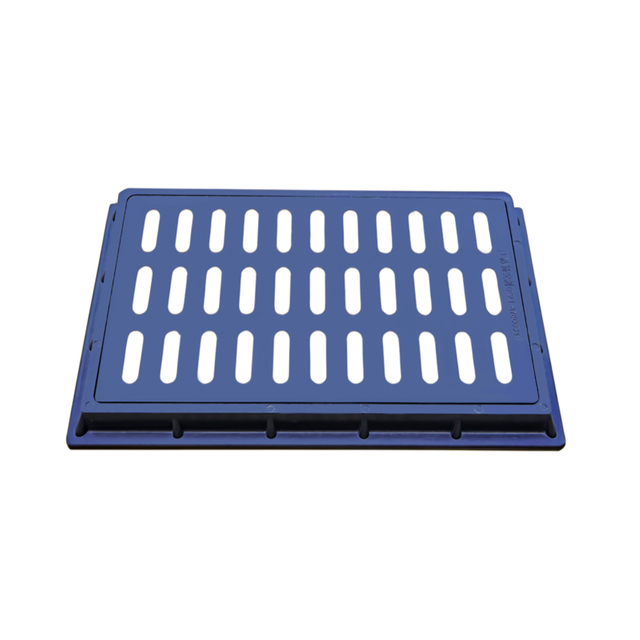
A grating is a flat, perforated panel designed to cover drainage openings, allowing water and small debris to pass through while preventing larger objects from entering the drainage system.
● Applications: Gratings are commonly used in stormwater drainage systems, catch basins, and other infrastructure to manage the flow of water and prevent flooding. They are essential in urban areas, ensuring that water is efficiently channeled into the appropriate systems.
● Heavy-Duty Grating: These gratings are designed to withstand heavy traffic and industrial use. They are made from strong materials like galvanized steel or ductile iron and are built to bear significant weight.
● Light-Duty Grating: These gratings are ideal for areas with low traffic, such as pedestrian walkways, parks, or residential areas. They are lighter and more affordable while still providing effective water drainage.
● Galvanized Steel: Known for its durability and resistance to corrosion, galvanized steel is commonly used for gratings in high-traffic areas.
● Fiberglass Reinforced Plastic (FRP): This material is lightweight and corrosion-resistant, making it ideal for environments exposed to chemicals or harsh weather conditions. FRP gratings are also non-conductive, which adds a layer of safety in electrical environments.
Material | Advantages | Disadvantages |
Galvanized Steel | Durable, rust-resistant, strong | Can be heavy, not ideal for chemical exposure |
Fiberglass Reinforced Plastic (FRP) | Lightweight, corrosion-resistant, non-conductive | May not handle heavy traffic or loads |
Stainless Steel | Strong, resists corrosion, ideal for harsh environments | Expensive, may require maintenance |
Polymer Concrete | Lightweight, resists chemicals and water | Less common, may not handle heavy traffic |
Feature | Description | Benefits |
Sensor Integration | Incorporates sensors to monitor gas, water, or pressure levels | Improved maintenance, proactive problem detection |
Anti-Theft Technology | Uses locking systems to prevent unauthorized access | Increased security, reduced theft risk |
Real-Time Monitoring | Monitors conditions and sends alerts to utility workers | Faster response times, more efficient management |
Water-Tight Seals | Ensures that the cover remains sealed to prevent water or odor leakage | Suitable for sewage systems, flood-prone areas |
Manhole covers, particularly those made from metal, are often targeted for theft due to their valuable scrap metal content. To prevent this, modern covers are equipped with anti-theft features, including locking mechanisms and tamper-proof designs.
● Example: Some cities have introduced manhole covers with security systems that include turnbuckles or integrated locks, making it difficult for unauthorized individuals to remove them.
Smart manhole covers are incorporating sensors to monitor environmental conditions such as gas levels, temperature, and water flow. These sensors help utility companies manage their underground infrastructure more effectively and alert workers to potential issues before they escalate.
● Example: New York City has integrated smart sensors in manhole covers to track conditions like water levels and gas presence, improving safety and reducing maintenance costs.
In certain areas, such as sewage systems or flood-prone regions, manhole covers are designed to be pressure-tight or water-tight to prevent the leakage of hazardous materials or water from escaping.
● Applications: These specialized covers are essential in maintaining public health and safety, particularly in areas where toxic gases or wastewater are contained underground.
ASTM (American Society for Testing and Materials) and AASHTO (American Association of State Highway and Transportation Officials) provide standards for the manufacturing and testing of manhole covers and gratings, ensuring that these products are safe, durable, and suitable for their intended use.
● Purpose: These standards set guidelines for materials, testing procedures, and load capacities, ensuring that manhole covers and gratings can withstand the conditions they are subjected to, such as heavy traffic or harsh weather.
ISO (International Organization for Standardization) and LEED (Leadership in Energy and Environmental Design) certifications are crucial for manufacturers of manhole covers, especially those looking to meet global standards for safety, sustainability, and environmental responsibility.
● Purpose: These certifications help ensure that manhole covers are manufactured to high safety and environmental standards, supporting global efforts toward sustainable infrastructure.
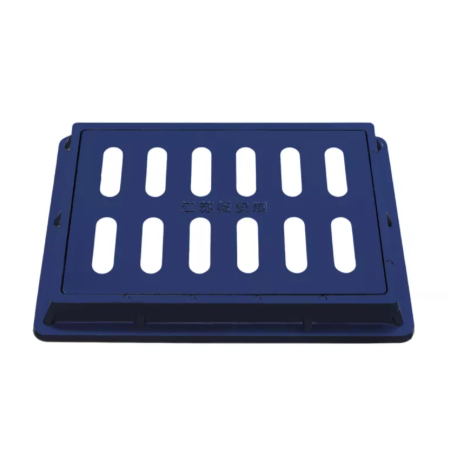
Proper installation of manhole covers involves specific terminology, such as "clear opening," "lock," and "keyways." These terms describe the measurements and installation methods required to ensure a secure and functional cover.
● Clear opening: The size of the hole that the cover will fit over, measured to ensure the cover fits securely.
● Lock: Mechanisms designed to prevent unauthorized access to underground utilities.
● Keyways: Grooves that help guide the cover into place during installation.
Regular maintenance is essential to ensure the functionality and safety of manhole covers and gratings. Best practices include routine inspections, cleaning to remove debris, and resealing to maintain water-tight seals.
● Routine inspections: Ensuring that covers are secure and not damaged.
● Cleaning: Keeping gratings clear of debris to prevent blockages and maintain efficient drainage.
This glossary of terms for manhole covers and gratings provides a comprehensive understanding of the terminology used in the design, manufacturing, and installation of these essential infrastructure components. Understanding these terms helps ensure that manhole covers and gratings are selected, installed, and maintained properly, supporting the safety and functionality of urban environments.Armed with this glossary, you can now confidently navigate the world of manhole covers and gratings, ensuring you select the right product for your next project and maintain it effectively for long-term performance.
Jiangsu Chang'an Manhole Cover Co., Ltd. offers high-quality manhole covers and gratings. Their products are designed to meet rigorous standards, ensuring durability and safety in various urban environments. With their commitment to excellence, they provide exceptional value and long-term performance for any infrastructure project.
A: Manhole covers are typically made from materials like cast iron, ductile iron, composite materials, steel, or aluminum. The choice of material depends on factors such as load-bearing capacity and environmental conditions.
A: Manhole covers are round because this shape ensures they cannot fall into the hole. A round shape distributes the weight evenly and makes installation easier.
A: Manhole covers require regular inspection for damage, cleaning to remove debris, and resealing to ensure a tight fit. Proper maintenance extends their lifespan and prevents safety hazards.
A: Gratings allow water and debris to pass through while preventing larger objects from entering the drainage system. They are essential in managing stormwater and maintaining clear drainage.
A: When selecting a manhole cover, consider factors like material strength, load-bearing capacity, environmental conditions, and the specific use case, whether it's for pedestrian, light, or heavy-duty applications.