Views: 0 Author: Site Editor Publish Time: 2026-09-28 Origin: Site


Project planners often confuse surface-level access points with the underground infrastructure itself. This misunderstanding creates friction during procurement and site execution. Confusing the underground chamber with its surface lid leads to inaccurate bills of materials. It causes mismatched load ratings and costly delays in civil engineering projects. You must understand the exact technical distinctions between these components. This ensures compliance, structural integrity, and operational safety across your site. We will establish a clear framework for defining, evaluating, and specifying both the underground structure and the surface assembly. By understanding the nuances of a manhole vs manhole cover, you will learn how to align these elements correctly for your next infrastructure project.
Distinct Functions: A manhole is the complete underground inspection chamber used for utility access; a manhole cover is the removable plate and frame assembly that secures the surface opening.
Specification Dependencies: The dimensions of the manhole cover must perfectly match the "clear opening" of the manhole shaft, not the overall outer diameter of the chamber.
Load and Compliance Standards: Manhole covers are evaluated on traffic load-bearing capacities (e.g., EN 124, AASHTO), while manholes are evaluated on soil pressure resistance, depth, and hydraulic flow.
Procurement Reality: These two components are often manufactured by different entities (e.g., precast concrete plants for manholes vs. foundries/composite manufacturers for covers) and must be sourced with strict dimensional alignment.
Table of Contents
A manhole is an underground chamber that provides access to buried utility systems such as sewers, storm drains, telecommunications, and electrical lines. It protects these systems from soil movement, groundwater, and surface loads while allowing inspection and maintenance. Shallow chambers are usually about 2–3 feet deep and are used for inspection without full entry, standard manholes are about 5 feet deep and allow worker access, while deep manholes may reach 20 feet or more and require ladders, stronger structures, and special pipe connections. A properly designed manhole must remain structurally stable, control water flow, and prevent both sewage leakage and groundwater entering the utility system.

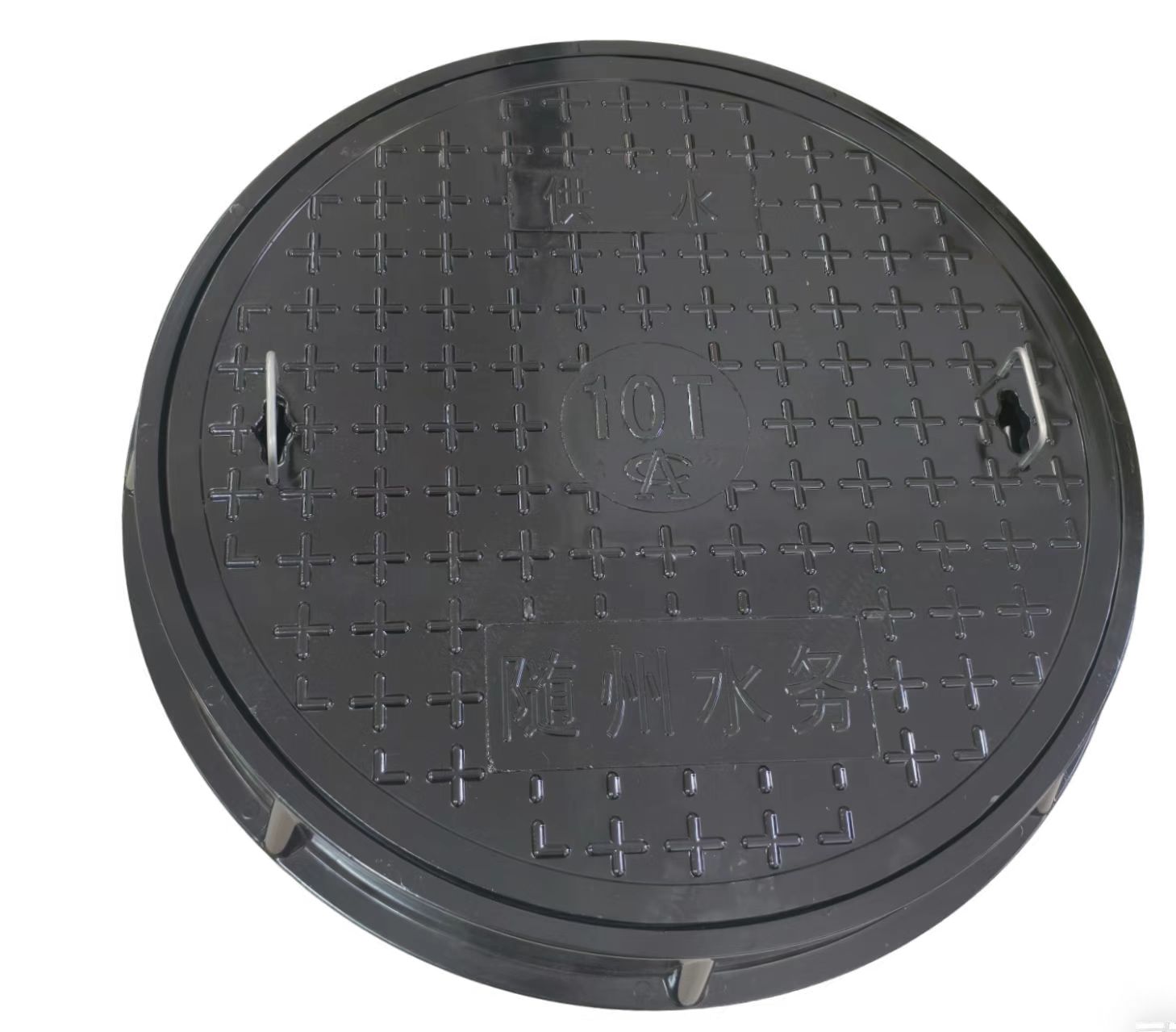
A manhole cover is the removable lid and supporting frame installed at the surface of the underground chamber. It keeps debris, rainwater, and unauthorized users out while transferring vehicle and pedestrian loads into the surrounding pavement. A high-quality Manhole Cover should provide suitable slip resistance, meet the required load rating, and allow maintenance workers to remove it safely with proper tools. Its design must therefore balance strength, safety, and easy maintenance.
A manhole chamber includes several main parts. The base or benching forms the bottom and directs wastewater through the chamber while helping prevent solids from building up. Riser sections form the vertical walls and can be stacked to reach the required depth. The cone or corbel reduces the chamber opening to the smaller access shaft and can be concentric or eccentric depending on access needs. Adjustment rings are installed above the cone to bring the frame to the correct pavement level and help prevent structural damage under traffic loads.
The cover assembly consists mainly of a frame and removable cover. The frame is fixed into the pavement and transfers traffic loads into the surrounding road base, while the solid cover closes the opening. Neoprene gaskets can reduce water entry and sewer odors, while lifting or pick holes allow maintenance crews to remove the cover with suitable tools. Some designs use concealed lifting holes to provide easier access while reducing water entry.
Manhole material should match the soil conditions, installation depth, and utility type. Pre-cast concrete is widely used for municipal sewers because it has high compressive strength, but it is heavy to install and can be damaged by hydrogen sulfide (H2S) in sanitary sewer systems, so epoxy coatings or PVC liners may be used for protection. Cast-in-place concrete works well for complex pipe layouts but requires more time, labor, and formwork. Fiberglass Reinforced Plastic (FRP) is lighter and highly resistant to corrosion, making it suitable for harsh sewer environments, while HDPE offers strong chemical resistance but requires careful backfilling and soil compaction to prevent deformation.
Vault Material | Primary Application | Installation Requirement | Corrosion Resistance |
|---|---|---|---|
Pre-cast Concrete | Standard municipal sewers and storm drains | Heavy lifting equipment, butyl joint sealants | Low (requires liners for sanitary sewers) |
Cast-in-Place Concrete | Complex, non-standard pipe junctions | Extensive formwork, long curing times | Low (requires secondary coatings) |
Fiberglass (FRP) | Corrosive environments, deep sanitary sewers | Standard backfill, lighter lifting equipment | Extremely High |
HDPE | Industrial chemical runoff, shallow networks | Strict compaction testing, specific stone backfill | High |
Surface assemblies face entirely different environmental stresses. Foundries traditionally cast these plates from grey iron. Today, ductile iron dominates heavy-traffic applications. Ductile iron offers a much higher strength-to-weight ratio than traditional grey cast iron. Its nodular graphite structure allows it to flex slightly under heavy impact, resisting catastrophic shattering under highway traffic and heavy goods vehicles.
Composite and FRP materials are rapidly replacing metal in many sectors. Composite plates hold zero scrap value, effectively eliminating the risk of metal theft that plagues many municipalities. They are significantly lighter, which reduces worker injury rates during routine inspections. Furthermore, they are non-conductive and transparent to radio frequencies. This makes them ideal for electrical and telecommunications vaults where smart meters transmit data through the lid. Galvanized steel provides another option. Contractors commonly use steel for recessed trays. However, steel assemblies are typically restricted to pedestrian zones or light-traffic areas due to their lower load-bearing thresholds and tendency to warp under heavy point loads.
Cover Material | Primary Application | Key Advantage | Main Limitation |
|---|---|---|---|
Ductile Iron | Highways, Ports, Airports | High impact resistance, will not shatter | Heavy, susceptible to theft |
Composite / FRP | Telecom, Pedestrian, Urban Streets | Zero theft value, non-conductive, lightweight | May have lower absolute load limits than thick iron |
Galvanized Steel | Driveways, Patios, Walkways | Allows for recessed paving integration | Prone to bending under heavy vehicular loads |
Grey Cast Iron | Older municipal infrastructure | Cheap to manufacture | Brittle, can crack under sudden heavy impacts |
The load rating must match the actual traffic at the site, as using a pedestrian-rated cover in a loading area can cause failure. EN 124 is widely used in Europe and other regions, while North American projects may use AASHTO H-20 or HS-20, which require the assembly to handle a 16,000-pound wheel load. To select the correct rating, consider the heaviest vehicle, maximum wheel load, dynamic forces such as braking, the required safety factor, and whether the frame can transfer the load safely into the pavement base. Always verify the required rating before approving a cover for roads, loading areas, or other high-traffic locations.
Access covers are available as solid, recessed, or drainage designs. Solid covers provide a slip-resistant surface, while recessed covers can hold paving, tile, or grass for better visual integration. Drain grates are designed to collect rainwater and must provide enough open area for the expected flow rate. Surface patterns can also help identify stormwater and sanitary sewer systems during maintenance, while vent holes allow sewer gases to escape and reduce pressure buildup in underground networks.
Heavy covers can use their weight to prevent tampering, while electrical and telecommunications vaults may require locking systems such as cam locks or special bolts. Hinged covers are useful for frequently accessed areas because they stay attached to the frame and reduce the need to move heavy lids manually. Spring-assisted hinges can further reduce lifting effort and improve worker safety, especially for single-person maintenance.
Before purchasing, confirm that the clear opening matches the underground access shaft, use strong ductile iron or composite covers in high-traffic areas, consider closed-cell neoprene gaskets for sanitary sewer access points, and verify the exact load-rating requirements with the local municipal engineering authority.
Audit your current site plans to verify that the clear opening dimensions of your surface assemblies perfectly match the access shafts of your underground vaults.
Update your procurement specifications to require ductile iron or composite materials for all high-traffic zones to prevent shattering.
Mandate the use of closed-cell neoprene gaskets on all sanitary sewer access points to eliminate inflow and infiltration.
Consult your local municipal engineering department to confirm exact load rating requirements before finalizing your bill of materials.FAQ
A: The term originated historically to describe an access hole large enough for a person to enter and perform maintenance on buried pipes. Today, the industry uses more accurate terminology. Terms like "maintenance hole," "inspection chamber," or "utility vault" are the modern standards in civil engineering.
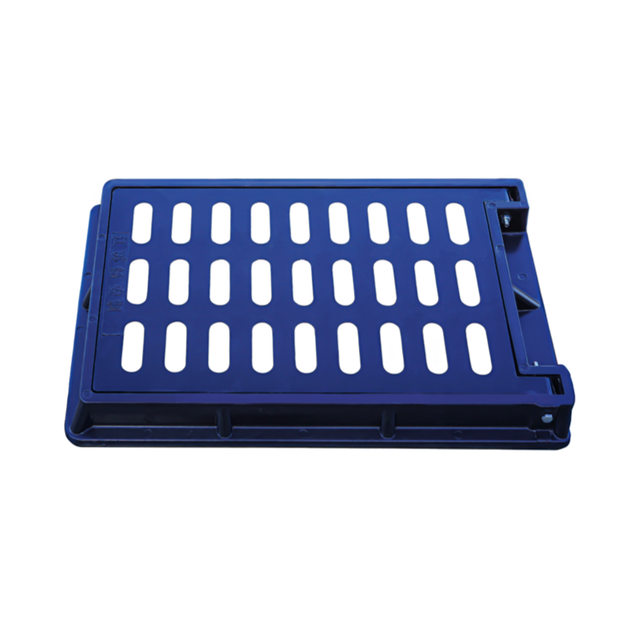
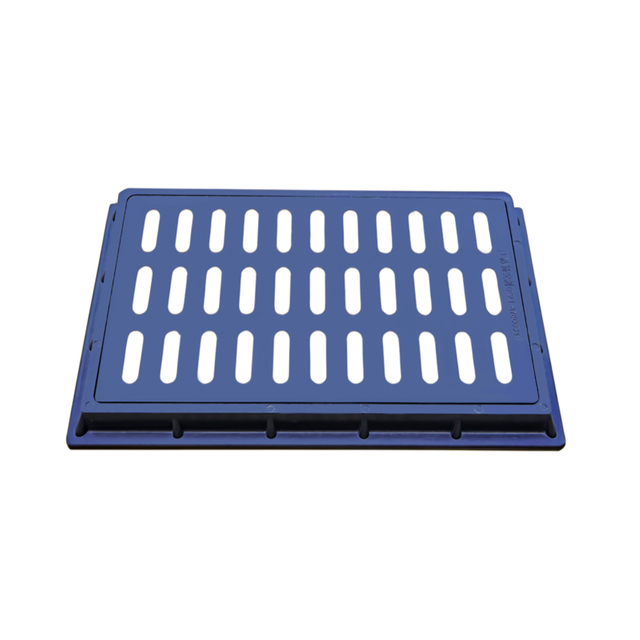
A: A manhole cover is a solid plate designed to block access and prevent surface water from entering the utility system below. A drain grate is intentionally perforated with slots. It is specifically designed to capture surface water runoff and allow it to flow freely into a storm drain system.
A: Yes. The surface assembly is separate from the underground vault. Contractors can excavate and replace the frame and lid at the surface level without disturbing the deep underground chamber. You must ensure the new frame's clear opening matches the existing access shaft.
A: You must measure the "clear opening" of the frame, which is the inside diameter of the hole the cover sits over. Do not just measure the outer diameter of the old lid. You also need to measure the depth of the seating rebate to ensure the new plate sits flush.
A: A round plate cannot fall through its own circular opening, regardless of how it is rotated or tilted. A square or rectangular plate could easily fall down the shaft if turned diagonally. The circular geometry ensures absolute safety for the workers and the infrastructure below.
A: Common international ratings follow the EN 124 standard. Class B125 is used for driveways and pedestrian areas. Class D400 is the standard for main roads and highways. In North America, the AASHTO H-20 and HS-20 ratings are standard, ensuring the plate withstands heavy commercial truck traffic.