
Views: 0 Author: Site Editor Publish Time: 2026-09-28 Origin: Site


Civil engineers, urban planners, and landscape architects face a distinct challenge on modern job sites: integrating custom aesthetics into infrastructure without compromising load-bearing requirements, pedestrian safety, or municipal compliance. Treating utility access points as purely functional eyesores is an outdated approach. Today, these surfaces serve as branding and placemaking assets. However, function must always align with form in public spaces. This guide provides an objective breakdown of what a laser art manhole cover is and how it is manufactured. We detail the technical criteria required to evaluate its viability for high-traffic or pedestrian-heavy projects. You will learn how to balance intricate design with structural integrity, ensuring your specified components meet strict safety standards while enhancing the surrounding environment. We also cover material selection, ADA compliance, and frame compatibility to help you specify these units with confidence.
Structural Integrity First: Custom laser-cut designs must still meet standard traffic load ratings (e.g., AASHTO H-20, EN 124) without creating weak points in the cover's structural matrix.
Compliance is Mandatory: Aesthetic modifications cannot supersede ADA requirements; slip resistance and gap width regulations must dictate the final laser art design.
Material Dictates Longevity: Ductile iron and heavy-duty stainless steel are the primary viable materials for laser-etched covers, balancing tensile strength with design precision.
Cost vs. Lifecycle: While initial tooling and manufacturing costs are higher than standard covers, they offer long-term value in municipal branding, wayfinding, and commercial property differentiation.
System Compatibility: A successful laser art manhole cover installation requires precise frame matching to prevent rattling, uneven wear, and structural failure.
Table of Contents
Transitioning from traditional sand-casting to modern manufacturing techniques fundamentally changes infrastructure design capabilities. A Laser Art Manhole Cover utilizes advanced CNC laser cutting and deep-etching technology. Foundries traditionally relied on wooden or metal patterns pressed into sand molds. That older method inherently limits the detail, depth, and sharpness of surface graphics. Modern manufacturing introduces high-powered lasers that melt or vaporize the metal surface with extreme precision. The process applies intricate designs directly to heavy-duty utility covers after the base casting is complete. Engineers program vector-based CAD files into the CNC system. The laser follows these digital paths to etch logos, maps, or complex geometric patterns. This method allows for sharp corners, fine typography, and crisp edge definition. Traditional sand casting simply cannot replicate this level of micro-detail on heavy industrial metals. We see this on job sites where standard castings look muddy, while laser-etched plates maintain sharp, readable text even after years of exposure.
Material dictates both the aesthetic potential and the structural limits of the final product. Ductile iron remains the absolute industry standard for vehicular traffic applications. It offers exceptionally high impact resistance and tensile strength. Ductile iron is highly suitable for deep relief laser etching because the nodular graphite within the iron matrix prevents crack propagation. This allows foundries to etch deeper into the surface without compromising the plate's overall integrity. Stainless steel and brass serve entirely different applications. Planners often specify these metals for pedestrian-only zones, plazas, and indoor commercial spaces. They offer higher precision for intricate laser art but possess varying load capacities compared to ductile iron. Stainless steel resists corrosion naturally, making it ideal for decorative architectural applications. Brass develops a natural patina over time, adding historical character and warmth to urban pathways.
Material Type | Primary Application | Load Capacity | Laser Etching Precision | Corrosion Resistance |
|---|---|---|---|---|
Ductile Iron | High-traffic roadways, intersections | AASHTO H-20 / EN 124 D400 | Moderate to High | Requires surface treatment (e.g., epoxy, galvanization) |
Stainless Steel | Pedestrian plazas, commercial interiors | Light vehicular / Pedestrian | Very High | Excellent (Natural resistance) |
Brass / Bronze | Historical districts, heritage trails | Pedestrian only | Very High | Develops natural patina |
Etching removes solid material, and removing material inherently affects structural strength. Foundries must calculate the maximum allowable depth of laser cuts and restrict the width of these grooves. Engineers analyze the cover's structural matrix using finite element analysis (FEA) software. They determine exactly how much metal can be safely removed before the cover weakens. Deep cuts create stress concentrations where heavy wheel loads can exploit weak points and cause fractures. The design depth must perfectly balance visual clarity with load-bearing integrity. A typical laser etch might remove just a few millimeters of surface material. This shallow depth ensures the cover maintains its required safety rating while still providing enough relief to make the design visible under various lighting conditions. On the site, if a cover is etched too deeply without a thicker base casting, you will see spider cracking radiating from the design center within the first year of traffic exposure.
Bare metal often requires additional contrast to make custom designs stand out to pedestrians. Manufacturers frequently integrate secondary aesthetic enhancements directly into the laser-etched grooves. Colored epoxy resins are a highly popular choice for urban branding. Technicians pour UV-resistant, industrial-grade epoxy into the etched cavities. This creates vibrant, flush surfaces that highlight civic logos or corporate colors. Polyurethanes offer similar visual benefits with added flexibility to handle thermal expansion and contraction. Metallic inlays provide a premium, high-end finish. Workers press brass, bronze, or copper strips into the etched channels of an iron or steel cover. These enhancements significantly improve brand visibility from a distance. Furthermore, filling the grooves protects the etched recesses from accumulating dirt, moisture, and street debris.
Visual appeal means absolutely nothing if the utility cover fails under pressure. Success is defined strictly by the ability to maintain required load ratings. In the United States, covers subjected to vehicular traffic must meet AASHTO H-20 or HS-20 standards, which account for a 32,000-pound axle load. European projects require EN 124 Class D400 ratings for standard street traffic. Surface alterations cannot compromise these critical specifications. Engineers conduct rigorous physical testing on prototype designs. They apply massive hydraulic pressure to the center of the etched cover to simulate heavy truck traffic. The plate must not permanently deform, crack, or fracture. Laser art designs must distribute weight evenly across the surface. Dense, concentrated etching in the center of a cover often requires a thicker base casting to compensate for the removed material.
Custom designs must prioritize accessibility above all other design goals. You must evaluate all aesthetic designs against Americans with Disabilities Act (ADA) guidelines. ADA regulations strictly govern maximum surface gap widths on pedestrian pathways. Gaps typically cannot exceed a half-inch in width. This prevents wheelchair caster wheels, walking canes, or high-heeled shoes from becoming entrapped. Laser-etched grooves must adhere to these exact dimensional restrictions. Wide, sweeping design elements must be broken up with structural metal bridges. These bridges keep the gap widths compliant while maintaining the visual flow of the artwork. Pedestrian safety always supersedes artistic intent. Municipal inspectors will reject non-compliant covers immediately, forcing costly redesigns and project delays.
Smooth metal becomes incredibly dangerous when exposed to rain, snow, or spilled liquids. Laser art must provide adequate surface texture to prevent slip hazards. Engineers measure this safety metric using the coefficient of friction, often tested via the British Pendulum method. A safe cover requires a high friction rating in both wet and dry conditions. Large, flat etched areas reduce this coefficient significantly. Manufacturers solve this by integrating anti-slip patterns alongside the custom art. They might laser-etch micro-textures into the flat sections of the logo. Alternatively, they cast a standard diamond tread or raised lug pattern around the central artwork. This ensures pedestrians maintain traction while walking across the utility access point, mitigating liability for the city or property owner.
A utility cover is only half of the access system. The custom cover must seat perfectly within existing municipal frames. Poor seating causes the cover to rattle under passing traffic. Rattling leads to uneven wear, noise pollution, and eventual structural failure of the casting. Engineering requirements demand precise dimensional matching between the new cover and the old frame. Sometimes, existing frames are warped, corroded, or degraded from decades of use. In these cases, retrofitting just a cover is insufficient. You must specify full cover-and-frame assemblies. Installing a matched, machined set ensures a flush, rattle-free fit. This protects the investment in the custom artwork and ensures a stable surface for vehicles and pedestrians.
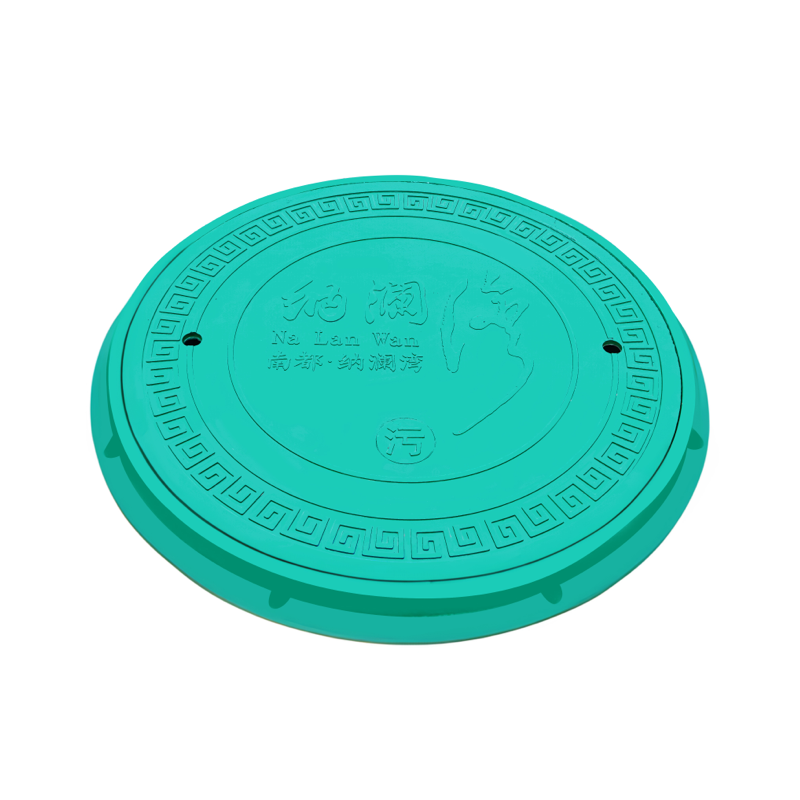
Cities increasingly use infrastructure to tell their unique stories. Laser-etched covers display city seals, historical narratives, and local artwork in downtown revitalization projects. A standard utility cover offers no civic value beyond function. A custom cover transforms the streetscape into a canvas. Pedestrians notice these details, which creates a strong sense of place and local pride. Municipalities often commission local artists to submit designs representing the community's heritage. Foundries then translate these designs into laser-ready CAD files. This process turns functional ironwork into durable public art. It beautifies the urban environment without requiring additional physical footprint on crowded sidewalks.
Private developers leverage custom covers for subtle but permanent brand reinforcement. High-end retail spaces use them to mark private utility networks, elevating the aesthetic of the entire plaza. Stadiums feature team logos on the concourse access points to build fan excitement. Corporate headquarters embed their branding into the campus walkways and courtyard infrastructure. This creates a cohesive design language across the property. It signals attention to detail and premium quality to visitors and tenants. Property managers use these covers to differentiate their spaces from standard municipal sidewalks. The covers serve as permanent marketing assets, reinforcing the brand identity every time a visitor looks down.
Navigation does not have to rely solely on vertical signs and poles. You can integrate directional cues directly into the pedestrian pathway. Laser art covers serve as excellent, unobtrusive wayfinding tools. They can feature arrows pointing toward transit hubs, public parks, or emergency exits. Historical districts use them as informational markers along heritage trails. The laser etching can include dates, names, or brief historical facts relevant to the specific street corner. This engages tourists and residents alike. It reduces visual clutter by moving signage from eye-level poles to the pavement. The infrastructure itself becomes an interactive, educational guide for the city.
Fine lines look spectacular on a computer screen and immediately after installation. However, you must assess how they will withstand real-world abuse. Vehicular abrasion wears down metal surfaces over time. Street sweepers use harsh wire brushes that scrub the pavement. Snowplows scrape heavily against the street surface during winter months. Intricate laser details can disappear after a few harsh seasons if not properly engineered. You must balance precision with wear resistance. Bold, thick lines survive longer than delicate filigree. Foundries can etch deeper to extend the lifespan of the design, but this must be balanced against structural limits. Evaluating the expected traffic volume and maintenance routines is mandatory before finalizing the artwork.
Exposed metal rusts, and laser etching removes the protective factory casting skin. You must evaluate post-laser surface treatments to ensure longevity. Epoxy coatings protect the exposed metal and add vibrant color. Galvanization provides a heavy-duty zinc shield against moisture and road salts. Some projects prefer natural oxidation. Ductile iron develops a stable rust layer that protects the core metal from further degradation. You must choose a treatment that maintains design visibility over time. Coastal environments require aggressive corrosion protection due to constant salt spray. Proper surface treatment ensures the artwork remains legible and structurally sound for decades.
City streets are inherently dirty environments. The depth and width of laser-etched grooves directly impact routine cleaning efforts. Deep, narrow grooves trap dirt, ice, cigarette butts, and trash. This accumulation obscures the art and creates a messy, neglected appearance. You must evaluate design strategies to prevent this issue. Designing grooves with slightly angled or drafted walls helps debris wash out naturally during rainstorms. City maintenance crews use pressure washers and street sweepers; the design must withstand these cleaning methods without trapping the bristles. Filling the grooves with colored epoxy eliminates the debris trap entirely. This creates a smooth, easy-to-clean surface while maintaining the visual impact of the design.
Custom art covers carry a significantly higher risk of theft than standard municipal covers. Thieves steal them for scrap metal value, while others steal them as novelty items or urban souvenirs. You must specify tamper-proof locks or bolted systems for any custom installation. Standard pick-holes make it too easy for unauthorized removal. Security bolts require specialized, proprietary tools to open. Cam locks secure the cover tightly to the frame from the underside. These mechanisms protect your infrastructure investment. More importantly, they prevent the severe liability and danger of an open, exposed utility shaft in a public area. Locking systems are mandatory for any high-value custom infrastructure component.
Customization requires an upfront financial investment. You must understand the tooling and setup requirements before committing to a design. Engineers must translate your artwork into a structural CAD design. They then program the CNC laser machinery to execute the cuts. This process incurs initial engineering and programming fees. Off-the-shelf cast covers avoid these costs entirely. The initial setup cost can be significant if you are only ordering a single cover. However, this is a one-time fee per design. You are paying for the precision, the engineering verification, and the unique aesthetic. Planners must weigh this initial setup cost against the long-term branding and placemaking value the cover provides.
The unit cost curve drops significantly with volume. Ordering a single custom cover is expensive due to the setup fees. Outfitting an entire district spreads those setup costs across many units, lowering the per-item cost. You must evaluate the scalability of production when planning your project. Once the laser program is set and verified, the machine can cut hundreds of covers rapidly. Municipalities often phase their purchases to manage budgets. They order batches for specific streetscape upgrades over several years. This maximizes the budget while maintaining a consistent design standard across the city. Scalability makes custom covers highly viable for large-scale urban development and campus projects.

Selecting the right manufacturer dictates the success of the project. You need a strict vendor vetting checklist. Require in-house CAD engineering capabilities; the vendor must understand how to translate art into structural metal safely. Demand verifiable load-testing certificates from independent laboratories. The lab should certify that the modified covers meet AASHTO or EN 124 standards. Check the warranty terms specifically for surface treatments, epoxy fills, and corrosion resistance. Ensure the foundry has proven experience with municipal compliance and ADA regulations. A qualified vendor acts as an engineering partner. They will actively warn you if a design concept compromises safety, drainage, or longevity.
Custom infrastructure takes time to engineer, build, and test. You must factor extended manufacturing timelines into your overall construction schedule. Standard covers ship immediately from existing inventory. Laser-etched covers require design approval, CNC programming, cutting, surface finishing, and quality assurance testing. Supply chain realities can impact raw material availability. Communicate with your vendor early in the design phase to establish clear delivery milestones. Late delivery of utility covers can delay paving, concrete pouring, and final site work. Proper planning and early procurement prevent these costly construction delays and keep the project on track.
Modern infrastructure must align with environmental goals and green building standards. Assess the lifecycle environmental impact of the custom covers. Look for foundries that use high percentages of recycled metals in their casting process. Ductile iron is highly recyclable. At the end of its lifespan, the cover can be melted down and completely reused without loss of material quality. Evaluate the environmental impact of the surface treatments as well. Avoid toxic paints or coatings that could leach volatile organic compounds (VOCs) into the groundwater. Sustainable material sourcing reduces the carbon footprint of your urban development and supports municipal sustainability targets.
A laser art manhole cover is a highly viable, high-impact design choice for modern urban and commercial spaces. This remains true provided that structural engineering and safety compliance strictly dictate the aesthetic boundaries. Function must always lead form in public infrastructure. Buyers should restrict their vendor shortlist to foundries and manufacturers that provide verifiable load-testing certificates, ADA compliance guarantees, and robust in-house CAD engineering support.
To ensure a successful procurement and installation process, follow these immediate next steps:
Consult with a licensed structural engineer to define the exact load class required for your specific site traffic.
Measure and document the existing frame specifications, dimensional tolerances, and required slip resistance coefficients.
Submit your preliminary design concepts to a specialized manufacturer for a comprehensive feasibility and safety review.
Request physical material samples and epoxy color swatches to verify visibility under actual site lighting conditions.
A: In the United States, covers subjected to traffic must meet AASHTO H-20 or HS-20 standards, supporting a 32,000-pound axle load. European projects require EN 124 Class D400. The laser etching process must not compromise these structural ratings. Engineers verify this through rigorous hydraulic pressure testing.
A: Yes. Manufacturers ensure ADA compliance by integrating micro-textures or standard diamond tread patterns around the artwork. They also strictly limit gap widths to a maximum of one-half inch to prevent wheelchair, cane, or shoe entrapment on pedestrian pathways.
A: Ductile iron is the best material for heavy vehicular traffic due to its high tensile strength and impact resistance. Stainless steel and brass are excellent for pedestrian-only zones, offering high precision for intricate designs and natural corrosion resistance.
A: The lifespan depends heavily on traffic volume and design depth. Bold, deeply etched designs on ductile iron can last decades. Fine, intricate lines may degrade faster due to vehicular abrasion, snowplows, and aggressive street sweepers.
A: Not always, but precise dimensional matching is critical. If existing frames are warped, corroded, or degraded, you must specify a full matched cover-and-frame assembly. This ensures a flush fit and prevents structural rattling under traffic.
A: You should specify tamper-proof locking mechanisms. Security bolts requiring proprietary tools or underside cam locks secure the cover tightly to the frame. This prevents unauthorized removal by scrap thieves or souvenir hunters, mitigating severe liability risks.


