
Views: 0 Author: Site Editor Publish Time: 2026-08-21 Origin: Site


Achieving precise surface-level alignment for underground utility access is a strict engineering requirement. A fraction of an inch in deviation during installation leads to structural failure, traffic hazards, or severe water infiltration. Contractors, civil engineers, and facility managers face a constant challenge. They must balance load-bearing requirements, municipal compliance, and long-term durability when specifying or adjusting manhole frames and covers to exact finished grade.
Modern infrastructure requires more than dropping a cast iron lid over a hole. A grade level manhole utilizes specific adjustment mechanisms, like engineered grade rings, and follows strict load classifications. These components dictate the procurement and installation process, ensuring the assembly supports intended traffic loads while providing secure access for maintenance crews.
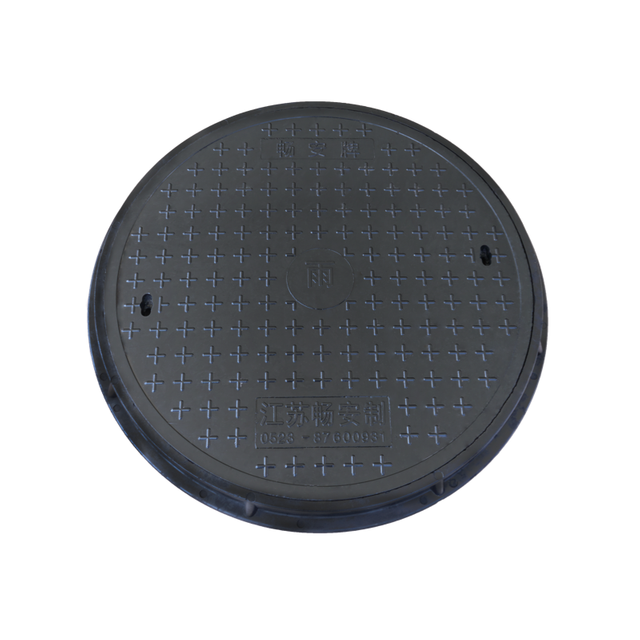
A grade level manhole is an underground utility access point where the frame and cover are engineered to sit perfectly flush with the finished surface (pavement, concrete, or landscaping) to safely support intended traffic loads and provide secure access for maintenance crews.
Achieving precise grade relies heavily on adjustment components, specifically precast concrete, composite, or rubber grade rings installed between the manhole cone/vault and the iron frame.
Procurement decisions must be driven by load-bearing classifications (e.g., AASHTO H-20/HS-20 or EN 124 standards), dictating whether the assembly can withstand pedestrian, standard vehicular, or heavy industrial traffic.
Long-term performance requires evaluating material trade-offs against environmental risks, such as frost heave, soil settlement, and inflow/infiltration (I&I) of surface water.
Table of Contents
In civil engineering, the term "at grade" defines an elevation perfectly flush with the surrounding finished surface. This contrasts sharply with below-grade vaults, which remain buried under soil or pavement, and above-grade risers that project upward from the ground. A properly graded access point meets strict success criteria in the field.
Consider the physical reality of snow removal operations. If a casting sits just a quarter-inch high, a snowplow blade traveling at thirty miles per hour will strike the iron lip. This massive impact can shear the plow mounts, damage the truck, or rip the entire casting out of its mortar bed. Conversely, if the casting sits a quarter-inch low, every passing vehicle tire drops into the depression. This dynamic impact sends shockwaves through the rigid concrete structure below and fractures the surrounding asphalt. Water enters these fractures, freezes, and destroys the road surface. A properly graded access point presents zero trip hazards, allows seamless mechanical clearing, and facilitates optimal water runoff.
Understanding this infrastructure requires breaking down the structural stack from the bottom up. The system functions as a unified load-bearing column, transferring weight from the surface down into the subgrade.
The Base Slab: This foundational element rests on compacted bedding stone. It distributes the entire weight of the concrete structure and the dynamic traffic loads above into the surrounding soil.
Riser Sections: These cylindrical concrete or composite barrels build the primary vertical depth of the vault. Standard sanitary sewer risers typically measure 48 inches in diameter.
Eccentric and Concentric Cones: These sections reduce the wide diameter of the riser down to the narrower diameter of the access opening. Eccentric cones feature one flat vertical side to allow straight ladder access, while concentric cones taper evenly on all sides.
Reducer Rings: Flat concrete slabs with offset or centered openings. Crews use these when shallow pipe depths prevent the use of a tall, tapered cone section.
Grade Rings: Thin, stackable rings placed directly on top of the cone. Available in thicknesses ranging from half an inch to six inches, they provide the final micro-adjustments needed to bring the iron frame exactly to the finished surface elevation.
The Casting (Frame): The heavy iron or composite ring that houses the cover. It transfers traffic loads directly down through the adjustment rings into the cone.
The Cover: The removable lid providing secure access. It must withstand direct point loads from vehicle tires while preventing unauthorized entry.
Distinct utilities demand specific structural requirements. You cannot use the same cover for a sanitary sewer that you would use for a high-voltage electrical vault. The internal environment dictates the external hardware.
Utility Type | Primary Environmental Challenge | Typical Cover Specification |
|---|---|---|
Sanitary Sewer | Corrosive hydrogen sulfide (H2S) gas and severe inflow/infiltration risks. | Solid, watertight covers with neoprene gaskets and concealed pick holes. |
Storm Drain | Rapid surface water accumulation and debris management. | Grated covers or slotted lids to maximize water intake while blocking large debris. |
Electrical Vault | Water intrusion shorting out high-voltage transformers and cabling. | Heavy-duty, fully sealed covers, often requiring specialized lifting tools for security. |
Telecommunications | Unauthorized access and water damage to sensitive fiber optic splices. | Locking covers with inner watertight security pans. |
A properly aligned access point directly improves ergonomics for maintenance crews. Confined space entry presents significant occupational hazards. When the frame sits perfectly flush, workers can deploy tripods, winches, and ventilation equipment securely. Misaligned frames create unstable platforms for safety retrieval systems, increasing the risk of workplace injuries during routine inspections or emergency repairs.
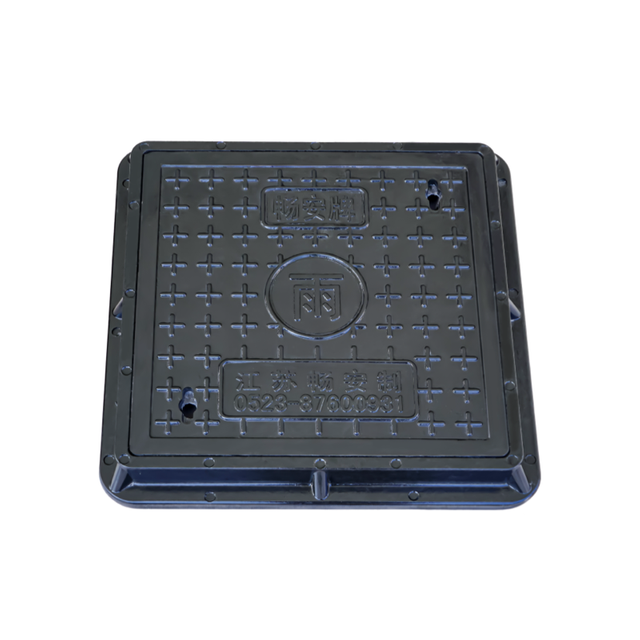
Market terminology generally categorizes covers into three distinct application grades. Light duty covers handle pedestrian traffic and landscaping equipment. You find these in parks, sidewalks, and residential yards. Medium duty covers support residential vehicles and slow-moving local traffic. Heavy duty covers withstand the punishing impacts of highway traffic, industrial equipment, and commercial trucking routes. Selecting the correct category forms the baseline for all subsequent engineering specifications.
In North America, the American Association of State Highway and Transportation Officials (AASHTO) dictates load specifications. The two most common standards you will encounter are H-20 and HS-20. An H-20 rating requires the assembly to safely support a 16,000-pound wheel load, simulating a standard two-axle commercial truck. The HS-20 rating accounts for a 32,000-pound axle load, representing a tractor-trailer combination.
Engineers calculate these ratings with built-in safety factors. A cover rated for H-20 actually withstands significantly more static weight in laboratory testing. This safety margin accounts for dynamic loading. When a heavy truck bounces over an uneven surface or slams on the brakes directly on top of the casting, the physical force multiplies. A 16,000-pound static wheel load can easily exert over 20,000 pounds of downward force during a dynamic impact.
Global manufacturing frequently references the European standard EN 124. This system provides a highly granular classification based on specific test loads and installation areas. Understanding this standard helps contractors source compliant materials internationally and match the exact load requirement to the site conditions.
EN 124 Class | Test Load (kN) | Typical Application Area |
|---|---|---|
Class A15 | 15 kN | Pedestrian areas, bicycle paths, and residential landscaping. |
Class B125 | 125 kN | Footways, pedestrian zones, and comparable areas subject to light vehicle parking. |
Class C250 | 250 kN | Gully tops installed in the area of curbside channels of roads. |
Class D400 | 400 kN | Carriageways of roads, hard shoulders, and public parking areas for all vehicle types. |
Class E600 | 600 kN | Areas imposing high wheel loads, such as docks, aircraft pavements, and industrial plants. |
Class F900 | 900 kN | Areas imposing particularly high wheel loads, such as airport runways and taxiways. |
Selecting load grades requires a strict decision framework based on site location. Specifying a Class F900 cover for a residential sidewalk wastes project funds and creates unnecessary physical strain for workers who must lift the excessively heavy lid. Conversely, under-specifying an access point carries severe consequences. Installing a medium-duty cover in a high-traffic industrial zone guarantees catastrophic structural failure. The cover will crack under dynamic loading, dropping debris into the vault and potentially causing fatal vehicular accidents. Always specify based on the maximum potential load the area might see, not just the average daily traffic.
Grade rings bridge the critical final gap between the top of the concrete structure and the finished surface elevation. They stack vertically, allowing contractors to fine-tune the height of the iron frame in increments as small as one-quarter of an inch. Reducer rings serve a different primary function. They change the diameter of the opening, transitioning a wide vault directly to a standard frame size when vertical space prohibits the use of a tapered cone.
Historically, contractors relied heavily on masonry bricks and mortar to build the chimney section and adjust the frame height. This labor-intensive method required skilled masons to lay bricks in a circular pattern, parging the inside and outside with mortar. While effective in the short term, brick and mortar degrade rapidly under constant traffic vibration and freeze-thaw cycles. The porous bricks absorb groundwater. When that water freezes, it expands, spalling the mortar and shifting the bricks. Eventually, the entire frame sinks below the pavement surface.
Modern engineering replaces this outdated practice with standardized, manufactured rings. These engineered components offer highly predictable load distribution. They eliminate the variability of field-mixed mortar and reduce installation time from hours to minutes. Crews simply stack the rings, apply the specified sealant, and set the frame.
Selecting the right material for adjustment rings involves weighing structural requirements against environmental conditions and installation logistics.
Precast Concrete: This remains the traditional industry standard. Concrete offers massive compressive strength and integrates seamlessly with the concrete cone below. However, it is highly susceptible to cracking during handling. It also suffers from freeze-thaw damage if surface water penetrates the joints. Furthermore, concrete rings are heavy, often requiring machinery to lift and position safely.
High-Density Polyethylene (HDPE) / Composite: These modern materials provide exceptional durability. They are lightweight, allowing a single worker to carry and install them without heavy machinery. They completely resist hydrogen sulfide gas and road salt corrosion. The reduction in labor and heavy equipment usage often offsets the initial material expense.
Rubber Adjustment Rings: Manufactured from recycled tires, rubber rings excel at absorbing traffic shock. They mitigate the impact of dynamic loading, protecting the rigid concrete structure below. They also perform exceptionally well in cold climates, flexing slightly to accommodate frost heave without cracking. Contractors frequently use a single rubber ring as the final leveling course directly beneath the iron frame.
The space between each adjustment ring represents a severe vulnerability for inflow and infiltration (I&I). Surface water entering the sanitary sewer system through these joints overwhelms treatment plants and increases processing demands. Traditional mortar beds fail to provide a long-term watertight seal because they lack flexibility. Traffic vibrations inevitably fracture the rigid mortar, creating pathways for groundwater.
Modern specifications demand flexible sealants. Butyl mastics and polyurethane sealants compress under the weight of the frame, filling every microscopic void between the rings. These materials remain pliable for decades. They stretch and compress alongside the surrounding soil and pavement, maintaining a watertight barrier against groundwater and surface runoff. Applying mastic requires a completely dry and clean surface, whereas mortar requires hydration, making weather conditions a factor during installation.
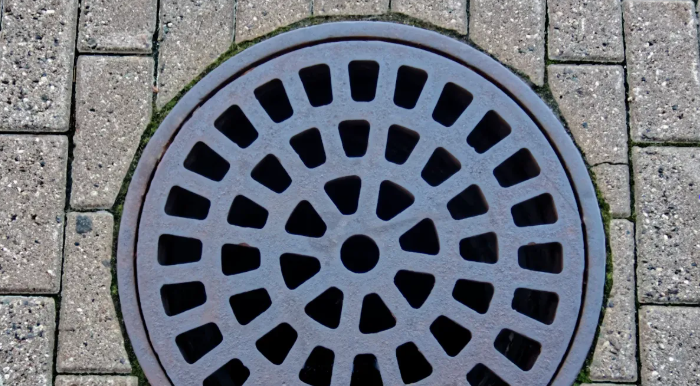
General engineering guidelines provide a foundation, but local Department of Transportation (DOT) or municipal public works standards strictly dictate final specifications. Local codes often supersede national guidelines based on regional climate challenges or historical infrastructure issues. Municipalities maintain strict approved materials lists. Engineers must verify these lists before procurement. A city might explicitly ban concrete grade rings in favor of composite materials, or require a specific frame depth to accommodate local paving equipment. Failing to verify municipal compliance results in rejected inspections and costly tear-outs.
The entire assembly must perform flawlessly under severe environmental stress. High groundwater tables exert constant hydrostatic pressure against the exterior joints. Heavy rainfall creates rapid surface flooding that attempts to penetrate the cover. To mitigate I&I, engineers specify watertight covers equipped with bolted lockdowns and neoprene O-ring gaskets. In areas prone to heavy surface flooding, specifications often include inflow dishes. These plastic or stainless steel inserts sit directly beneath the cover, catching any water that bypasses the lid and preventing it from entering the utility vault below.
Underground utilities function as complex biochemical environments. Sanitary sewers generate highly toxic and corrosive hydrogen sulfide (H2S) gas. When H2S mixes with moisture on the vault walls, it converts into sulfuric acid. This acid aggressively eats away at concrete structures in a process known as Microbially Induced Corrosion (MIC). Storm drains accumulate methane from decomposing organic matter. The grade level assembly acts as a critical structural node for managing these gases.
Engineers must evaluate when to specify vented covers versus solid covers. Vented covers feature pick holes and ventilation slots that allow dangerous gases to escape safely into the atmosphere, preventing explosive pressure buildup. However, vented covers also allow surface water to enter. Solid covers prevent water infiltration but trap gases inside. The decision relies entirely on the type of underground utility, the presence of dedicated vent pipes elsewhere in the system, and the specific interaction of gases, solids, and liquids within that specific network segment.
Successful installation begins long before the first ring is set. Surface preparation dictates the long-term viability of the entire structure. Contractors must excavate the area around the cone, exposing clean, solid concrete. The mandatory removal of all debris, loose gravel, and degraded mortar is non-negotiable. Crews must thoroughly clean the edges of the cone and the underside of the iron frame using wire brushes or grinders.
Applying expensive butyl mastic to a dirty, dusty surface guarantees failure. The sealant will bond to the dirt rather than the concrete, creating immediate pathways for water infiltration. Furthermore, uneven surfaces create point-loading. If a rigid concrete ring rests on a small piece of hardened debris, the entire weight of highway traffic concentrates on that single point. The ring will instantly fracture under the load, compromising the entire chimney stack.
Soil mechanics play a massive role in structural longevity. The area immediately surrounding the adjustment chimney represents a high-risk zone for soil compaction failures. If crews backfill the excavation with improper materials or fail to compact the soil in specific, measured lifts, the ground will eventually settle. Standard specifications require compacting backfill in six-inch lifts to 95% Standard Proctor density. As uncompacted soil drops, it pulls the asphalt down with it, creating a severe depression around the casting.
Frost heave presents the opposite problem. In cold climates, water trapped in the surrounding soil freezes and expands, pushing the pavement and the frame upward. Mitigation strategies require using engineered backfill materials, such as crushed stone, which drain water rapidly and resist frost expansion. Utilizing flexible rubber adjustment rings also absorbs the upward pressure of frost heave, preventing the rigid concrete cone below from cracking.
Road maintenance forces constant retrofitting. When municipalities resurface a road, they add inches of new asphalt, requiring contractors to raise the casting. When they mill a road, removing old asphalt, they must lower the casting. Adjusting these structures demands careful evaluation of trade-offs in the field.
During a paving overlay, contractors can utilize drop-in steel riser rings or expandable frames. These devices sit inside the existing frame and provide a new resting ledge for the cover at the higher elevation. This method is exceptionally fast but can introduce new points of water infiltration if not sealed perfectly. Alternatively, crews can dig out the entire casting, add new composite grade rings, and rebuild the chimney. Rebuilding takes significantly more time and labor but guarantees structural integrity and compliance with modern watertight standards. During road milling, removing existing grade rings remains the only viable method to lower the frame safely without destroying the cone.
Audit your site's traffic patterns to determine the exact AASHTO or EN 124 load rating required for the casting.
Verify the local municipality's approved materials list before purchasing any grade adjustment rings or sealants.
Specify flexible butyl mastic sealants instead of rigid mortar to prevent future inflow and infiltration at the chimney joints.
Require contractors to compact backfill material around the structure in six-inch lifts to prevent asphalt settlement.
For municipal infrastructure, utility networks, road construction, and other demanding access applications, selecting the right manhole cover system is essential for long-term safety, durability, and reliable performance. Jiangsu Chang'an Manhole Cover Co., Ltd. specializes in manhole cover solutions designed to support diverse infrastructure requirements, helping customers select dependable products for different load, environmental, and application conditions.
A: You raise a manhole during paving overlays by installing precast concrete, composite, or steel riser rings beneath or inside the existing frame. Lowering a manhole during road milling requires excavating the frame and physically removing existing grade rings to drop the elevation. Both processes demand thorough cleaning and new sealants.
A: Covers fall into three main categories: Light for pedestrian and landscaping areas, Medium for residential and slow traffic, and Heavy for highways and industrial zones. These map directly to engineering standards like AASHTO H-20 or HS-20 for heavy highway loads, and EN 124 classes ranging from A15 up to F900.
A: A grade ring is a specific adjustment component placed horizontally between the top of the underground manhole cone and the bottom of the iron frame. It allows contractors to make micro-adjustments to the vertical height, ensuring the cover sits perfectly flush with the finished pavement.
A: While historically common, using masonry bricks and mortar is no longer recommended. Modern precast concrete, composite, or rubber grade rings are vastly preferred. Engineered rings provide superior, predictable load ratings, install significantly faster, and drastically reduce the risk of inflow and infiltration failures.
A: Failures typically stem from poor soil compaction around the chimney, which causes the surrounding ground to settle. Other primary causes include degraded mortar joints, improper surface preparation before applying sealants, or specifying materials with inadequate load ratings that crush under heavy traffic.
A: Composite rings offer distinct advantages, including superior chemical resistance against sewer gases and much lighter weight for easier, safer handling. However, concrete remains the traditional standard and often presents lower upfront material costs. The best choice depends on specific site conditions and municipal approvals.
A: A reducer ring is a structural slab designed to change the horizontal diameter of the opening, typically transitioning a wide vault to a standard frame size. A grade ring strictly adjusts the vertical height of the assembly without altering the diameter of the access point.


