Views: 0 Author: Site Editor Publish Time: 2026-09-28 Origin: Site


Miscommunication during municipal and industrial infrastructure procurement creates severe operational risks. Field crews often rely on generic slang to describe access covers. This casual habit leads directly to specifying incorrect load ratings, failing compliance audits, and triggering costly project delays. You must align field terminology with exact engineering specifications to ensure structural integrity. Relying on colloquial terms jeopardizes worker safety and compromises subsurface utility networks. Translating job-site slang into rigid nomenclature is mandatory for accurate purchasing. Material designations, specialized load ratings, and evolving regional compliance standards dictate the exact unit required for a site. Mastering these technical terms ensures you source, evaluate, and install the correct unit for every specific site requirement. Vague requests create immediate bottlenecks in the purchasing workflow, forcing buyers to guess structural requirements and introducing unacceptable risks into civil engineering projects.
Standardization is Critical: Transitioning from generic terms to specific, standards-based manhole cover names ensures accurate procurement and regulatory compliance.
Application Dictates Terminology: The correct name often depends on the utility type (e.g., sanitary sewer, telecom vault, stormwater grate) and required load rating.
Material and Design Influence Specs: Terms like "ductile iron," "composite," "recessed infill," and "spring-assisted" are not just descriptors; they are critical evaluation dimensions for lifecycle performance and worker safety.
Regional and Evolving Compliance: Understanding the difference between North American (AASHTO) and European (EN 124) naming conventions, as well as the shift toward gender-neutral terminology, prevents cross-border and municipal procurement errors.
Table of Contents
Accurate product names help buyers match the cover to the site's load, material, and access needs. Generic terms such as "street plate" or "sewer lid" do not show the required load class or design, which can lead to wrong orders, installation delays, and safety problems.
Purchase orders and engineering drawings should use clear technical terms instead of local slang. For example, a request for a "heavy-duty road lid" should be converted into a specific AASHTO or EN 124 rating before the order is placed.
Field Slang | Technical Specification | Risk of Miscommunication |
|---|---|---|
Sewer Lid | Sanitary Sewer Cover (Solid/Gasketed) | Surface water entering the sewer system |
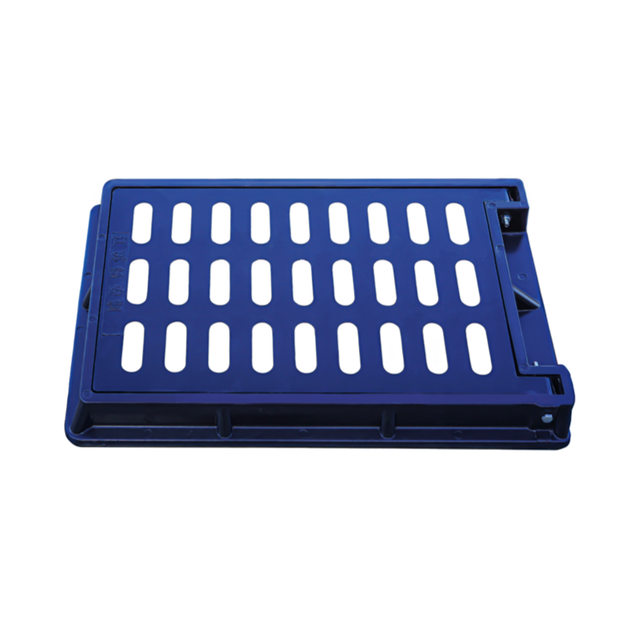
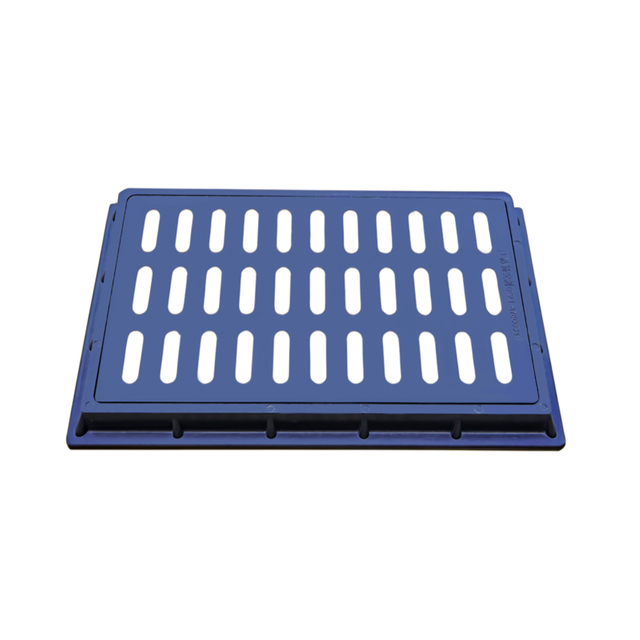
Street Grate | Stormwater Catch Basin Grate | Poor drainage and local flooding |
Telecom Plate | Joint Box Cover / Pull Box Lid | Wrong load rating or access design |
Decorative Lid | Recessed Infill Cover | Incorrect pan depth and damaged paving |
Wrong specifications can cause returned products, construction delays, and costly repairs. More seriously, using a pedestrian cover in a traffic area or the wrong cover in a sealed sewer system can create major safety and environmental problems. Precise terminology helps prevent these errors before purchasing.
The underground system determines the cover design. Sanitary sewer covers protect wastewater systems, stormwater grates collect runoff, water valve boxes provide control access, and electrical or utility vault covers protect underground equipment. Each application requires different structural and access features.
Industrial sites may need heavy-duty hatches for equipment and drainage, while aviation areas require covers designed for very high loads. Trench grates are used for long drainage channels, while utility vault covers protect larger underground equipment.
Telecom systems often use joint box covers or pull box lids. These covers are designed for frequent maintenance and may use lightweight materials to allow easier access for one worker rather than focusing only on heavy traffic loads.
Circular covers are designed so the lid cannot fall into the opening. Rectangular hatches provide larger access for equipment such as pumps, while specialized multi-sided designs can provide extra stability in heavy-traffic areas.
Identify the utility: sanitary, stormwater, electrical, telecommunications, or another system.
Check access frequency: choose bolted, hinged, or drop-in designs based on maintenance needs.
Check the opening shape: select circular, square, or rectangular frames to match the vault.
Check the surface: choose a solid or recessed cover based on the surrounding pavement or landscaping.

Material names directly affect strength, durability, maintenance, and installation. Cast iron offers high compressive strength but is more brittle, while ductile iron has better flexibility and impact resistance, making it more suitable for heavy vehicle areas where sudden loads may occur. These names should therefore be treated as important specification requirements rather than simple material descriptions.
Composite materials are increasingly used where corrosion resistance, low weight, electrical insulation, or RF transparency is important. A Manhole Cover can provide these benefits in coastal areas, chemical plants, and smart-city applications while reducing the limitations of traditional metal covers.
Recessed or infill covers are designed to hold concrete, terrazzo, or paving materials inside the lid. They are often called block paviour covers and are mainly used in plazas, courtyards, and other areas where the access cover needs to blend with the surrounding surface.
Terms such as spring-assisted and hinged describe features that make heavy covers easier and safer to handle. Spring assistance reduces lifting effort, while hinged designs keep the cover attached to the frame and simplify routine access.
Tamper-evident, cam-lock secured, and captive hinge describe different security functions. These features help prevent unauthorized access and theft, while a captive hinge keeps the cover connected to the frame even when it is opened.
Load rating terms define where a cover can be used and how much traffic it can safely handle. The rating must match the expected vehicle weight, wheel load, and traffic conditions. Using a pedestrian-rated cover in a vehicle area can lead to structural failure, so buyers should always check the required regional standard before ordering.

North American projects commonly use AASHTO H-20 or HS-25 for heavy traffic applications, while European projects use the EN 124 classification system. EN 124 ranges from A15 for pedestrian areas to F900 for airport runways, so the correct class should be selected according to site traffic and load conditions.
EN 124 Class | Technical Name | Primary Application |
|---|---|---|
A15 | Pedestrian Access Cover | Green belts, sidewalks, bicycle paths |
B125 | Light Duty Access Cover | Driveways, pedestrian precincts |
C250 | Medium Duty Access Cover | Parking lots, curb sides |
D400 | Heavy Duty Traffic Cover | Main roads, highways, hard shoulders |
E600 | Extra Heavy Duty Cover | Industrial areas, heavy forklift traffic |
F900 | Aviation Rated Cover | Airport runways, taxiways, commercial docks |
Some product names include features required for specific applications. Heel-proof grates use narrow openings to reduce the risk of wheels, canes, or footwear getting caught, while slip-resistant surfaces improve safety in wet or icy areas.
Watertight and gas-tight assemblies are designed to limit water entry, gas release, and environmental contamination. These features may be required for certain sewer and utility applications rather than being optional upgrades.
Official terminology can vary by region. Some municipalities now use terms such as “maintenance hole cover” or “utility access hole” in specifications and tenders. Suppliers should follow the wording used in the local project documents to avoid confusion during procurement.
The same product may have different names in different markets. The UK and parts of Europe may use terms such as “inspection chamber cover” or “gully grate.” When sourcing internationally, always confirm the exact product name, load class, dimensions, and regional standard before placing an order.
Audit your current procurement templates to remove generic slang and replace it with standards-based terminology.
Update internal inventory systems to match modern municipal codes, including gender-neutral and internationally recognized terms.
Create a mandatory checklist for field crews to specify load ratings, materials, and security features when requesting replacements.
Consult directly with manufacturer specification sheets to verify exact dimensions and compliance standards before issuing purchase orders.
A: The official technical name varies by region and application. Modern engineering standards increasingly use "maintenance hole cover" or "utility access cover" to reflect gender-neutral language. In the UK and Europe, they are frequently called "inspection chamber covers." The exact technical name usually includes the material and load rating, such as "ductile iron access cover."
A: Municipalities are shifting toward gender-neutral language in public works and civil engineering. Terms like "maintenance hole cover" or "utility access hole" are replacing older terminology to promote inclusivity. This updated language is now standard in many modern municipal codes, RFPs, and official city planning documents.
A: North America typically uses "maintenance hole cover" or "utility access cover." In the UK and Europe, professionals use terms like "inspection chamber cover," "gully grate," or "access cover." Additionally, load rating terminology differs, with North America using AASHTO standards and Europe relying on the EN 124 classification system.
A: A manhole cover is a solid lid designed to seal off access to subsurface utilities, preventing water inflow and gas escape. A catch basin grate features open slots or bars designed specifically for drainage. Grates allow surface stormwater to enter the system while filtering out large debris.
A: You must use specific load rating terminology. In North America, specify an AASHTO H-20 or HS-25 rating for highway traffic. In regions following European standards, specify an EN 124 Class D400 for carriageways or Class E600 for high wheel loads. Never use generic terms like "heavy-duty."
A: The assembly consists of the frame (the structural base embedded in concrete), the cover or lid (the removable top), the seating face (where the cover rests on the frame), the gasket (a seal to prevent water/gas ingress), and the lifting keyhole (the slot used to extract the cover).
A: A recessed cover is commonly called an "infill cover," a "block paviour cover," or an "architectural access cover." These units feature a structural pan designed to be filled with concrete, paving stones, or terrazzo, allowing the cover to blend seamlessly into the surrounding decorative surface.