
Views: 0 Author: Site Editor Publish Time: 2026-08-21 Origin: Site


Utility castings dictate the final pace of any site development. A single missing frame or lid halts paving operations instantly. This forces last-minute scrambles and delays project handover. Many site managers treat these heavy-duty components as an afterthought, assuming standard sizes sit on a local shelf waiting for pickup. This assumption creates massive friction. Unexpected lead times for custom sizes destroy schedules. Specific load ratings require specialized manufacturing, and municipal lettering requirements add weeks to the process. Proactive procurement acts as a strict risk management strategy. You must evaluate when and how to order manhole cover in advance. Doing so aligns delivery perfectly with site preparation phases. It helps you avoid common installation frustrations and guarantees you meet strict municipal compliance requirements before the inspection window closes. Proper planning keeps your crews moving and your project on track.
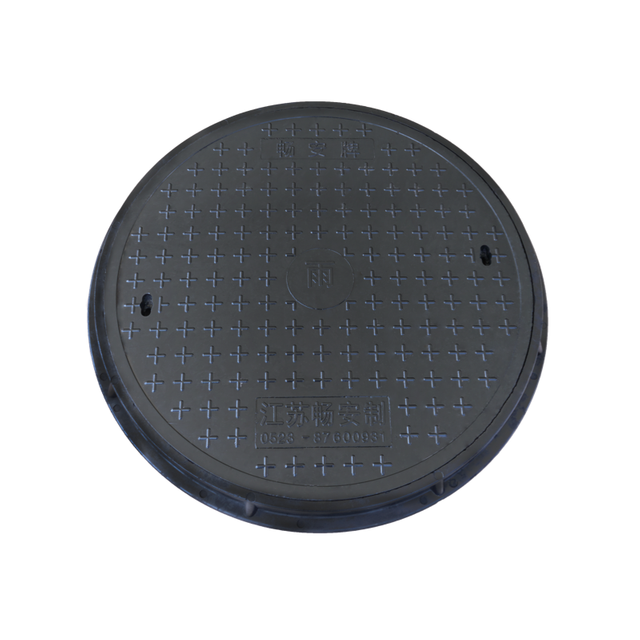
Lead Times Vary by Specification: Standard covers may ship quickly, but custom fabrication, specific municipal badging, or non-standard dimensions can add weeks to procurement timelines.
Cost of Delay vs. Cost of Storage: The financial penalty of idle crews and expedited shipping far outweighs the logistical footprint of early on-site storage. Proactive ordering can cut overall casting procurement costs significantly by avoiding rush fees.
Accuracy is Critical: Ordering early requires precise upfront measurement of the clear opening, frame depth, and load rating requirements to avoid costly returns and replacement problems.
Material Impacts Availability and Handling: Supply chain volatility affects cast iron, steel, and composite materials differently. Early vendor engagement ensures you select materials that make installation safer and less frustrating.
Table of Contents
Halting a grading or paving crew because utility castings are missing drains your budget fast. Heavy machinery sits idle on the asphalt. Workers remain on the clock with nothing to do. The paving train operates in a synchronized sequence. The paver, rollers, and dump trucks must move continuously. Stopping this train costs thousands of dollars per hour. Asphalt cools quickly. If the paving team stops to wait for a casting, the material degrades. You risk cold joints in the pavement. This leads to premature road failure. These bottlenecks push back every subsequent phase of the job. You miss critical municipal inspection windows. Rescheduling those inspectors often takes weeks. This pushes your project handover far past the deadline. The financial penalty of idle crews far outweighs any early storage inconvenience. Traffic control setups cost money every single day they remain on the road. Keeping lane closures active just because you lack a proper lid eats into your profit margin.
Rushing heavy materials across the country destroys profit margins. Standard Less Than Truckload (LTL) freight rates remain manageable when planned properly. Emergency sourcing forces you into expedited shipping. You might need dedicated flatbed trucks to meet a tight deadline. These premium shipping options cost a fortune. Heavy iron and steel components carry massive freight penalties due to their weight class. Planning ahead slashes your freight and unit costs drastically. It removes the panic from the purchasing process. You avoid emergency rush fees completely. Securing standard shipping rates protects your overall project budget. When you order manhole cover in advance, you leverage standard transit times. You can consolidate shipments with other site materials. This logistical efficiency keeps your bottom line healthy.
Buying whatever sits locally in stock leads to massive headaches. You end up retrofitting incorrect sizes just to close an open hole. Crews waste hours modifying concrete frames to accept mismatched lids. They break out jackhammers to chip away perfectly good concrete. They use improper shims to level a lid that does not fit the existing seat. This introduces severe labor inefficiencies. It creates safety hazards during the final stages of a project. A lid that does not fit perfectly will rattle under traffic. It will eventually crack or dislodge. Rocking lids cause noise complaints in residential areas. They also chip the surrounding asphalt over time. This forces you to return to the site months later for warranty repairs. Proper early procurement eliminates these frustrating mismatches. You get the exact dimensions required for a drop-in fit.
Missing components tempt contractors to use temporary, non-compliant covers. Throwing plywood or thin steel plates over an open shaft is incredibly dangerous. It creates severe fall hazards for workers and pedestrians. Municipalities and OSHA penalize these shortcuts heavily. Fines for safety violations easily dwarf the cost of proper procurement. An open utility hole invites debris accumulation. Dirt, rocks, and construction runoff fall into the sewer system. This causes blockages deep underground. Clearing these blockages requires expensive hydro-jetting equipment. You also risk damaging underground utility lines if heavy debris strikes them. Securing the correct lid early prevents these costly safety and environmental hazards. It keeps the site secure and passes safety audits without issue.

Custom requirements demand significant manufacturing time. Specialized municipal lettering requires dedicated foundry tooling. Custom logos and text wrapping require precise CAD design. You must factor in the mockup approval phase before casting begins. Revisions take time. Engineers must verify structural integrity after adding custom graphics. Deep lettering can create weak points in the metal or composite matrix. Once approved, custom casting or steel fabrication typically requires four to eight weeks. You cannot rush the foundry process. Cooling times for heavy iron are fixed by physics. Rushing the curing phase compromises the structural strength of the metal. For composite materials, the resin infusion and curing process requires strict temperature control. Early planning ensures the manufacturer has ample time to produce a flawless product.
You must match the lid to the exact traffic environment. Heavy traffic zones require AASHTO H-20 or HS-20 ratings. Airports demand specialized FAA ratings to withstand extreme aircraft wheel loads. Ports require extra-heavy-duty ratings for container handlers and forklifts carrying massive point loads. High-load castings are rarely kept in high-volume local stock. Suppliers manufacture them based on projected regional demand. You must schedule these specialized components early. They must arrive before the heavy machinery rolls in for final grading. Installing an under-rated lid causes catastrophic failure under traffic. A cracked lid drops directly into the shaft. This creates massive liability for the project manager. It triggers immediate road closures and emergency replacement protocols.
The foundry and steel supply chains remain highly unpredictable. Global shipping constraints delay imported materials constantly. Port congestion holds up cargo containers for weeks. Raw material shortages impact domestic production schedules. Pig iron and scrap metal prices fluctuate wildly. Relying on just-in-time delivery for heavy infrastructure components is a massive gamble. Securing your spot in the production queue early protects your project timeline. It insulates your schedule from external economic shocks and logistics failures. Lock in your material orders as soon as the site plans receive final approval.
Cast iron remains the traditional industry standard. It provides extreme durability for harsh environments. It easily meets the heaviest traffic load ratings required by highway departments. However, it is incredibly heavy. Crews struggle to maneuver it safely. Workers frequently suffer pinched fingers and lower back injuries when pulling heavy iron lids with pry bars. It is highly susceptible to scrap theft on unsecured sites. Imported iron faces severe supply chain delays. Custom badging and design approvals for iron require the longest lead times in the industry. You must plan months ahead if your project requires custom ductile iron castings.
Composite options are lightweight and highly corrosion-resistant. They carry zero scrap value. This acts as a natural theft deterrent. These covers make installation and handling much safer. They reduce severe back injuries among utility workers. A single worker can often remove a composite lid safely. They are faster and less frustrating for crews to install. They do carry a higher initial unit cost. They may require specific frame compatibility. Domestic manufacturing often provides more predictable lead times for composites. Specialized sizes still require advance notice to ensure proper resin curing times. Composites also offer radio frequency transparency. This allows smart utility meters to transmit data without signal interference.
Fabricated metals offer high customization for non-standard openings. They are ideal for complex replacement scenarios. You can use them when the original frame remains embedded firmly in the concrete. However, they require incredibly precise field measurements. A fabrication error of a quarter-inch renders the lid useless. Aluminum is strictly restricted to pedestrian or light-duty areas. It lacks the structural capacity for heavy vehicular traffic. Steel requires heavy galvanization to prevent rapid rust in wet environments. Weld quality dictates the lifespan of a fabricated steel lid. You must source these from certified welders who understand dynamic traffic loads.
Material Type | Best Application Environment | Load Capacity Range | Lead Time Impact | Handling Safety |
|---|---|---|---|---|
Cast / Ductile Iron | Highways, Heavy Traffic, Ports | Very High (HS-20, FAA) | Longest (especially for custom designs) | Poor (Heavy, pinch hazards) |
Composite | Corrosive Environments, Urban Areas | Medium to High | Moderate (often domestically sourced) | Excellent (Lightweight, ergonomic) |
Fabricated Steel | Custom Replacements, Trenches | Medium | Moderate (requires precise fabrication) | Fair (Requires lifting equipment) |
Aluminum | Pedestrian Walkways, Parks | Low (Pedestrian only) | Short to Moderate | Good (Lightweight) |
Never measure the old lid to order a replacement. Old lids wear down over time. Edges chip and warp. You must measure the clear opening. This is the exact inside diameter of the frame where the lid passes through. The overall diameter refers to the cover itself. You must also measure the frame depth and seat width. The seat width must support the lid evenly. If the seat is worn or dirty, a new lid will rock. You must clean the frame seat entirely before measuring. Use a wire brush to remove packed dirt and rust. Debris throws off your tape measure. Accurate dimensions ensure a flush, rattle-free fit. This prevents common replacement mismatches. Measure twice to avoid costly return freight.
Follow these steps for accurate field measurements:
Remove the existing lid and clean the frame seat thoroughly with a wire brush.
Measure the clear opening across the center point in two different directions to check for frame warping.
Measure the overall diameter of the existing cover if it is still intact.
Measure the frame depth from the top edge of the frame down to the resting seat.
Measure the seat width to ensure the new lid has adequate bearing surface.
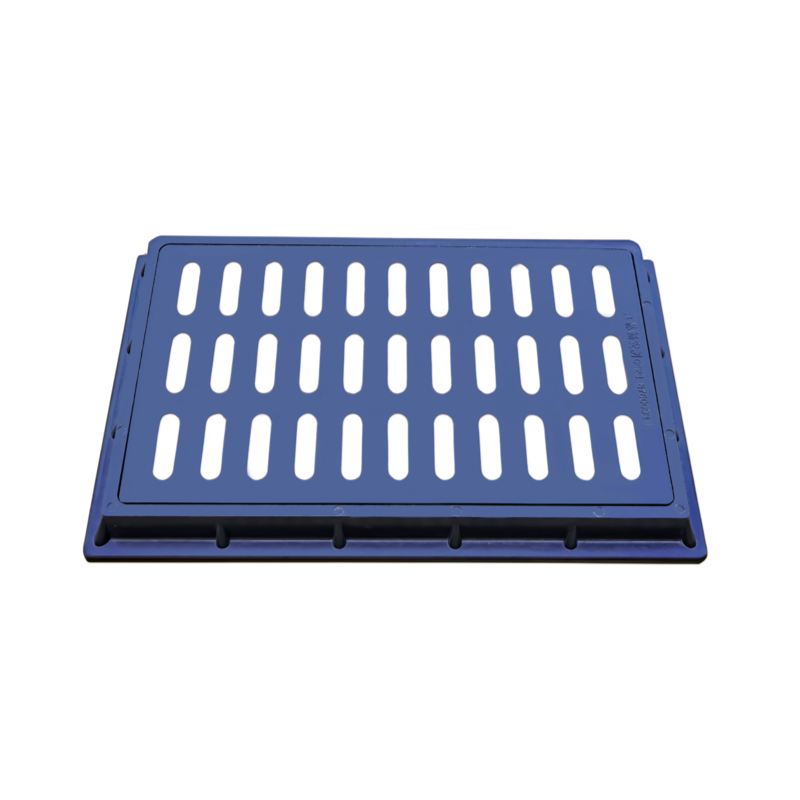
Cross-reference your project blueprints with local municipal codes immediately. Check for required pick holes. Some cities mandate concealed pick holes to prevent debris from entering the shaft. Verify specific gasket requirements for watertight seals. Confirm bolting mechanisms for security in high-risk areas. Verify structural integrity requirements to meet inflow and infiltration standards. Preventing inflow and infiltration stops groundwater from overwhelming the sewer system during heavy rain. Modern municipalities require recording high-accuracy GPS coordinates for utility asset management. Plan for this data collection during the installation phase. Ensure your chosen lid accommodates GPS tracking nodes or RFID tags if the city requires them.
Choose your manufacturer based on strict performance criteria. Evaluate their domestic versus international sourcing capabilities. Assess their custom design and fabrication skills. Demand a proven track record of on-time delivery. A reliable vendor communicates delays early. They offer proactive solutions rather than empty excuses. Request material certifications upfront. Ensure they can provide the necessary documentation for municipal inspectors. Check their warranty policies regarding load failure or premature wear. Ask about their return policy for standard sizes in case site conditions change unexpectedly.
Early delivery means heavy components must sit on-site. They take up valuable space. They risk accidental damage from heavy machinery. Mitigate this by designating a secure, flat laydown yard. Keep this area away from active traffic lanes and deep excavations. Place heavy timber dunnage under the pallets to keep them out of the mud. Keep the castings securely banded to their shipping pallets. Do not break the steel bands until the exact day of installation. This prevents individual lids from getting lost in the mud or buried under dirt piles. Cover the pallets with heavy tarps to keep the frame seats clean before installation.
Cast iron is highly susceptible to theft. Unsecured materials vanish overnight. Thieves target construction sites over long holiday weekends for easy scrap metal. They use pickup trucks and chains to drag heavy iron off the property. Replacing stolen iron involves paying for the product twice. You also pay for expedited shipping on the replacement. Mitigate this risk by utilizing locked storage containers for smaller components. Chain heavy pallets together securely. Run heavy-duty chains through the pick holes and lock them to a permanent structure. This makes unauthorized removal impossible without heavy equipment. Alternatively, opt for composite materials. Composites hold absolutely no scrap value for thieves.
Ordering early increases the risk of changing site conditions. Municipal requirements might shift before installation day. An inspector might demand a different load rating after reviewing the subgrade. The paving contractor might change the final asphalt lift thickness, requiring frame extensions. Maintain open, continuous communication with your manufacturer. Negotiate flexible return policies for standard sizes upfront. Always double-verify custom specifications with local inspectors. Get their written approval on final fabrication drawings before authorizing production. This paper trail protects you from costly rework. Keep your vendor updated on any schedule shifts so they can adjust their shipping dates accordingly.
Audit your current project blueprints to identify all utility casting requirements immediately.
Measure the required clear openings and frame depths accurately on site using a wire brush to clean the seats first.
Contact a reliable manufacturer today to secure your spot in the production queue and lock in your shipping rates.
Verify all custom lettering and load rating specifications with local municipal inspectors before signing off on CAD drawings.
Prepare a secure, flat laydown yard with heavy timber dunnage to receive and store materials safely upon arrival.
For infrastructure, municipal, utility, and construction projects where durability, accurate specifications, and dependable supply are essential, choosing an experienced manufacturer can help reduce procurement risks and support smoother project execution. Jiangsu Chang'an Manhole Cover Co., Ltd. focuses on manhole cover solutions for diverse application requirements, providing customers with reliable product options for demanding infrastructure and utility projects.
A: You should plan for standard lead times of four to eight weeks. Custom lettering, design mockups, and non-standard sizes require significant engineering and foundry time. Approving CAD drawings adds to this timeline. Order as soon as your site plans are finalized.
A: Ordering the wrong size results in expensive return freight costs and severe project delays. You cannot force a mismatched lid into a frame. Always measure the clear opening of the frame, not just the old cover, to ensure a precise, rattle-free fit.
A: Yes, they often are. Many composite options are manufactured domestically, bypassing the global shipping delays associated with imported cast iron. They also provide the added benefit of making installation faster, safer, and less frustrating for your site crews.
A: Both are designed for heavy traffic, but they differ in axle load distribution and traffic frequency. H-20 supports standard heavy truck traffic. HS-20 is designed for heavier, high-frequency tractor-trailer loads. Always verify the specific requirement with your local municipal engineer.
A: A cover-only replacement is viable if the existing frame is structurally sound and you have exact measurements. If the frame is cracked, corroded, or incompatible with modern lids, you must order a full frame and cover assembly to guarantee structural integrity.
A: Keep materials banded to their original shipping pallets. Store them in a designated, well-lit laydown yard. For cast iron, use locked storage containers or heavy chains to deter scrap theft. Using composite materials eliminates the theft risk entirely.
A: Yes. You can submit vector files to the manufacturer for custom text wrapping and municipal logos. The engineering team will create a CAD mockup for your approval. Remember that this design phase will add several weeks to your overall lead time.


