
Views: 0 Author: Site Editor Publish Time: 2026-08-21 Origin: Site


Many procurement teams assume infrastructure components follow universal sizing rules. You might search for a standard manhole cover expecting a single, off-the-shelf dimension ready for immediate installation. This assumption leads to incorrect orders, severe safety liabilities, and project delays. Infrastructure variability makes a single universal dimension impossible across different municipalities and utility networks. Relying on rough estimates or visual guesses often results in inflow and infiltration compliance failures. A mismatched lid allows surface water to flood sanitary sewer systems, overwhelming treatment facilities. Worse, an ill-fitting casting creates dangerous road hazards under heavy traffic loads, risking vehicle damage and pedestrian injury. Stop looking for a universal size that does not exist. Instead, apply standard industry measurement practices, verify structural load ratings, and enforce strict material specifications. Understanding the exact geometry of the existing frame ensures a precise, compliant fit.
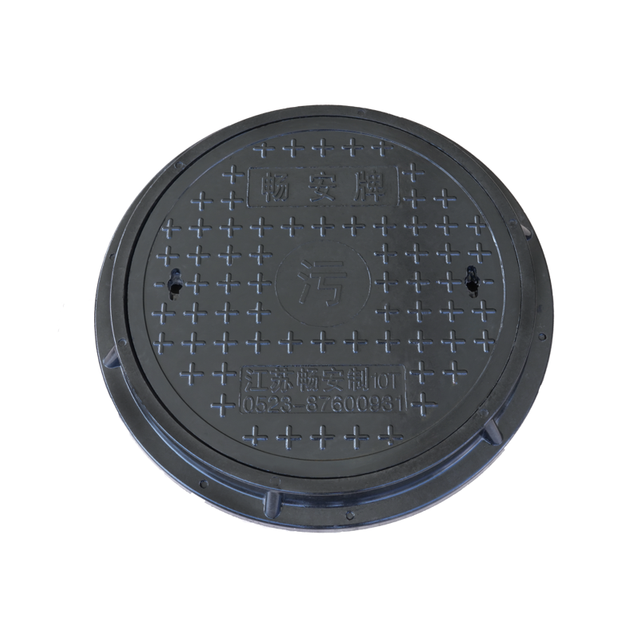
There is no single universal standard manhole cover size; however, there are standard industry methodologies for measuring, specifying, and ordering them.
Procurement must prioritize the "clear opening" measurement of the frame rather than the physical dimensions of the existing cover.
Compliance relies heavily on standardized load ratings, primarily AASHTO H-20/HS-20 in North America and the EN 124 standard (specifically D400 and E600 classes) internationally.
Material selection (cast iron, ductile iron, composite) directly impacts the weight-to-load-capacity ratio, affecting both installation logistics and long-term durability.
Table of Contents
When you tear up an intersection for a road widening project, you rarely find uniform infrastructure. You uncover a chaotic mix of 1920s brick sewer access points, 1950s cast iron frames, and modern precast concrete risers. Decades of layered infrastructure development prevent a single universal dimension from dominating the market. Regional manufacturing differences heavily dictate local utility network designs. A municipality might have installed cast iron frames fifty years ago using proprietary local foundry molds. Modern expansions often utilize entirely different specifications mandated by updated city engineering codes. Early 20th-century foundries rarely shared casting patterns. They produced distinct geometries to lock municipalities into buying their specific replacement parts. These legacy systems remain active today. You will encounter vast dimensional variations across a single city block.
When paving crews add two inches of new asphalt over an old road, they often use riser rings to bring the frame up to grade. These rings introduce another layer of dimensional variance. You cannot assume the original foundry specifications still apply after three generations of road maintenance. Differentiating between common dimensions and regulatory frameworks remains a mandatory step in procurement. Standard sizes refer merely to dimensions frequently manufactured for new installations. Industry standards govern the load capacity, structural integrity, and material performance required by law. Regulatory bodies dictate how much weight a casting must withstand under dynamic traffic forces, not the exact diameter it must measure. You can manufacture a highly irregular, custom-sized lid that perfectly complies with strict national load standards. Size and specification operate independently.
Most replacement scenarios require custom fabrication or highly specific matching rather than simple off-the-shelf purchasing. You cannot purchase a replacement based on a rough visual estimate or a quick tape measure across the top of an old lid. Existing iron frames warp, settle, and degrade over decades of freeze-thaw cycles and heavy traffic impacts. Ordering a replacement means measuring the exact frame conditions currently in the ground. Custom matching guarantees the new casting seats properly on the bearing surface. This precision prevents dangerous dislodgment, eliminates rattling, and maintains the structural integrity of the entire access point.
While a universal dimension does not exist, manufacturers produce specific diameter ranges frequently for new construction. Municipal and commercial applications typically utilize sizes between 18 inches and 36 inches. A 24-inch diameter serves as a highly common baseline in North American sewer and water networks. Internationally, the 700mm dimension acts as a frequent baseline for a standard manhole cover. These specific dimensions accommodate human entry. A 24-inch opening allows a maintenance worker wearing a safety harness and heavy breathing apparatus to descend into the vault safely. It provides enough shoulder clearance for emergency extraction while maintaining maximum structural integrity for the roadway above.
Round profiles dominate municipal roadways due to their inherent geometric safety. A round lid cannot fall through its own circular opening, protecting workers below. However, square and rectangular profiles serve specific infrastructure needs. Standard square dimensions, such as 850x850mm, frequently appear in utility vaults, telecommunications access points, and complex drainage networks. These geometric profiles allow easier access to wide, shallow underground equipment like transformer boxes and fiber optic splice enclosures. Square frames require precise hinging or locking mechanisms. Without hinges, a worker could accidentally drop a square lid diagonally into the vault, crushing equipment or injuring personnel.
Engineers prioritize the clear opening metric above all other physical dimensions. The clear opening represents the narrowest inside diameter of the frame where a worker passes through. This measurement dictates the true functional size of the access point. Measuring the outer diameter of an old lid often leads to highly inaccurate replacements. The old casting might have worn edges, severe corrosion, or a non-standard taper. Frames often feature a slight draft angle or taper to allow the casting to drop in easily without binding. If you measure the top of the frame but ignore the taper at the bottom of the seat, the new lid will wedge itself halfway down, creating a severe trip hazard. The clear opening provides a fixed, reliable baseline measurement for fabrication. Manufacturers use the clear opening to calculate the required diametric clearance, ensuring the new lid fits without binding.
Frame depth and cover thickness require equal attention during the specification process. A replacement must sit perfectly flush within the existing frame seat. Standard variations in thickness exist across different load ratings and material types. If a casting sits too high, winter plow blades will catch the exposed edge. A plow hitting a raised iron edge at 30 miles per hour will rip the entire frame from the asphalt, destroying the road surface and damaging the plow truck. If it sits too low, vehicle tires will cause violent, repetitive impacts. Both scenarios lead to severe rattling, rapid structural failure of the surrounding concrete collar, and potential dislodgment into the roadway.
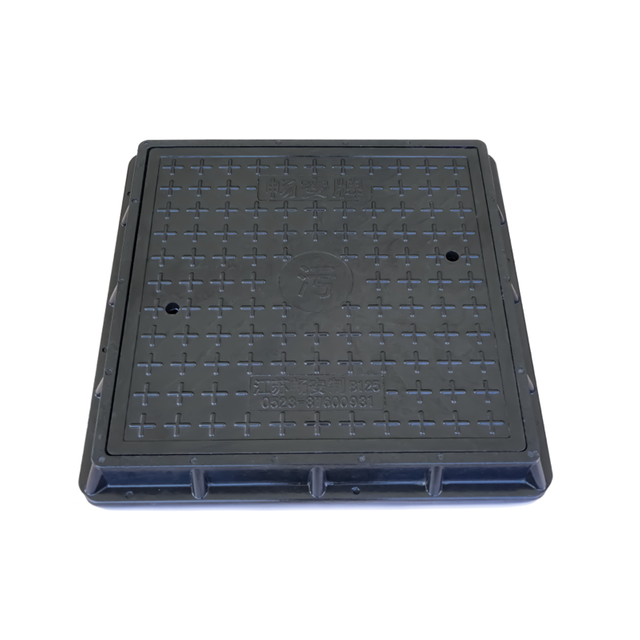
Load ratings dictate safety, regulatory compliance, and long-term asset survival. You must match the structural capacity to the specific traffic environment where the installation occurs. Failing to specify the correct rating guarantees catastrophic mechanical failure.
North American infrastructure relies heavily on AASHTO standards for highway and commercial traffic. The H-20 and HS-20 traffic loading specifications define heavy-duty performance across the continent. An H-20 rating ensures the casting withstands a 16,000-pound wheel load. Foundries test this by applying a 40,000-pound proof load to a steel pad resting on the center of the casting. This massive safety factor accounts for dynamic impact loads. When a fully loaded municipal fire truck hits a bump and lands on the casting, the dynamic force far exceeds the static weight of the vehicle. Specifying an H-20 or HS-20 rating guarantees the access point survives continuous, high-impact traffic without fracturing or suffering permanent deformation.
International and European projects utilize the comprehensive EN 124 standard. This framework categorizes access solutions into specific weight-bearing classes based on their installation environment. The testing protocols measure both static load capacity and permanent set limits. A casting cannot permanently bend or deform beyond a strict millimeter tolerance after the test load is removed.
Class A15: Rated for a 1.5-ton test load. Suitable exclusively for pedestrian zones, bicycle paths, and residential gardens.
Class B125: Rated for a 12.5-ton test load. Designed for footways, pedestrian areas, and comparable light-duty parking decks.
Class C250: Rated for a 25-ton test load. Installed in curbside channels and parking lots experiencing slow-moving, light vehicular traffic.
Class D400: Rated for a 40-ton test load. The typical standard benchmark for high-traffic municipal roadways, main highways, and hard shoulders.
Class E600: Rated for a 60-ton test load. Required for industrial areas with heavy solid-tire forklift operations or commercial transport activity.
Class F900: Rated for a 90-ton test load. Reserved for extreme load environments like airport taxiways and commercial shipping dockyards.
For most municipal applications, D400 and E600 classes represent the required baseline for heavy-duty performance. Supplementary standards address specific safety and accessibility requirements beyond pure weight capacity. The British Standard BS9124 governs specifications for clear openings exceeding one meter, requiring specialized structural ribbing to prevent the massive surface area from caving in. In the United States, ADA compliance dictates strict rules for surface slip resistance and grate openings. ADA-compliant surfaces feature specialized tread patterns to prevent pedestrian slips in wet conditions. They also limit gap widths to protect wheelchair users and individuals using mobility canes from getting trapped.
Material choices directly impact installation logistics, worker safety, environmental resilience, and long-term durability. Selecting the wrong material increases maintenance overhead and exposes crews to severe ergonomic hazards.
Cast iron and ductile iron represent the traditional backbone of municipal infrastructure. They offer proven durability and massive dead weight. A typical iron casting weighing between 90 and over 150 pounds is common for an 18-to-24-inch diameter. This extreme weight helps keep the unit seated inside the frame under dynamic traffic loads. Ductile iron improves upon basic gray cast iron by introducing nodular graphite. This metallurgical change allows the material to flex slightly under stress rather than shattering like brittle gray iron. However, this massive weight introduces severe ergonomic risks for maintenance crews. Removing heavy iron requires specialized lifting hooks, leverage bars, and multiple workers. This repetitive heavy lifting significantly increases the risk of debilitating back injuries and workers' compensation claims.
Heavy-duty composites are rapidly replacing traditional iron in forward-thinking municipalities. Advanced fiberglass-reinforced polymer matrices easily meet EN 124 D400 and AASHTO H-20 load standards while drastically reducing overall weight. A composite lid often weighs 50% less than its iron counterpart. A single worker can remove it safely without mechanical lifting aids. Furthermore, composites eliminate corrosion risks entirely. They do not rust, scale, or fuse to the frame in harsh, hydrogen sulfide-rich sanitary sewer environments. Modern composites include UV inhibitors to prevent the polymer matrix from degrading under direct sunlight. This ensures the lid retains its structural integrity and aesthetic appearance for decades, even in harsh desert climates. Composites also contain zero scrap metal value. This characteristic effectively prevents the rampant global issue of infrastructure theft, where thieves steal iron lids to sell at local scrap yards, leaving open holes in the street.
Specific niche applications still rely on galvanized steel or concrete-infilled designs. Galvanized steel provides excellent corrosion resistance for shallow utility trenches where traditional frame depths cannot fit. Concrete-infilled designs allow landscape architects and paving contractors to match the surrounding plaza aesthetics perfectly. The steel pan receives a pour of the exact concrete or block paving used in the surrounding pedestrian zone. These materials serve specific aesthetic or environmental purposes where raw iron or black composites might disrupt the visual landscape.
Material Type | Typical Weight (24-inch) | Corrosion Resistance | Theft Risk (Scrap Value) | Primary Application |
|---|---|---|---|---|
Gray Cast Iron | 120 - 160+ lbs | Low | High | Legacy municipal roadways |
Ductile Iron | 90 - 130 lbs | Moderate | High | High-traffic modern highways |
Heavy-Duty Composite | 40 - 70 lbs | Excellent | None | Corrosive sewers, high-theft areas |
Galvanized Steel | Varies by thickness | High | Moderate | Shallow utility trenches |
Procuring the correct replacement requires a strict, standardized measurement process. Guesswork leads to catastrophic mechanical failures and wasted budgets. Follow this precise methodology to ensure a perfect fit.
Frame Seat and Clear Opening Measurement: You must measure the existing frame currently embedded in the ground, not the old lid. Old castings wear down, warp, or break, providing inaccurate data. First, thoroughly clean the frame seat with a wire brush to remove compacted dirt, rust scale, and asphalt debris. Next, measure the inside clear opening. This is the narrowest inside diameter of the frame. Then, measure the outside diameter of the cover seat. This is the flat horizontal ledge where the casting rests. Finally, measure the depth of the seat from the top edge of the frame down to the bearing surface. Take these measurements at four different points across the diameter to check for frame out-of-roundness or warping. The new thickness must match this depth exactly to ensure a flush surface.
Load Capacity Verification: Audit the specific traffic environment before ordering. Identify the heaviest potential vehicle that could cross the access point, not just the average daily traffic. A pedestrian walkway might seem to only require an A15 rating. However, if a municipal maintenance truck or an ambulance occasionally drives on that walkway during emergencies, you must upgrade the specification to accommodate that heavy vehicle load. Always specify load ratings based on the maximum potential dynamic stress, using verified AASHTO or EN 124 testing standards.
Utility and Feature Requirements: Specify standard lettering to clearly identify the underground utility for future maintenance crews. Common designations include "Sanitary Sewer," "Storm Drain," "Water," or "Telecom." Note spatial constraints when requesting custom text or municipal logos. Standard lettering typically fits up to 26-inch diameters before requiring custom casting adjustments or smaller font sizes. Evaluate venting requirements carefully. Sanitary sewers often require closed, gasketed lids to trap odors, while storm drains might need vented pick holes to allow gas escape. Determine if you need concealed pick holes to prevent debris entry or open pick holes for faster lifting. Finally, specify locking mechanisms, such as cam locks or stainless steel bolting systems, if the access point requires high security against unauthorized entry or back-pressure from flooding.
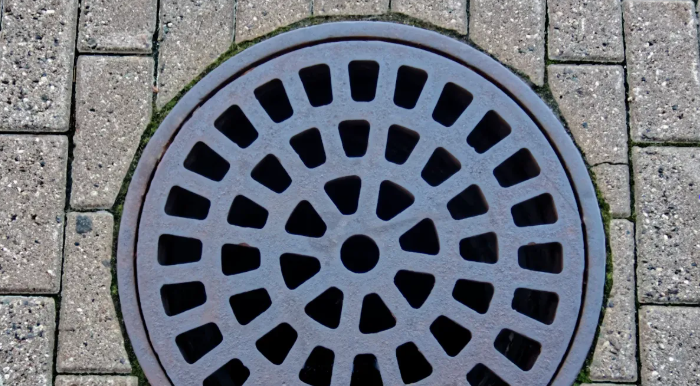
Assuming standard sizing exists across your network often leads to dangerous, costly, and legally damaging errors. Infrastructure failure carries severe consequences.
Installing a unit with an inadequate load rating in a high-traffic zone creates severe safety and liability risks. A pedestrian-rated composite lid placed in a commercial loading dock will shatter under the concentrated point load of a forklift tire. This mechanical failure causes catastrophic vehicle damage, potential fatal injuries, and massive workflow disruption. Municipalities and private facility managers face massive legal liabilities when infrastructure fails due to documented incorrect load specifications. Courts do not accept ignorance of AASHTO or EN 124 standards as a valid defense in personal injury lawsuits.
Poorly fitted replacements drastically increase inflow and infiltration issues. When a lid does not seat perfectly within the frame due to incorrect diametric clearance, surface water pours into the sanitary sewer system during heavy rainstorms. Hydrostatic pressure forces water through even minor gaps. This excess clean water overwhelms wastewater treatment plants. Treating rainwater costs municipalities millions of dollars annually and frequently causes environmental spills when plants exceed their processing capacity. Precision fitting, aided by neoprene gaskets, prevents this costly infiltration. Furthermore, if you specify a solid lid for a sanitary sewer that requires ventilation, dangerous hydrogen sulfide and methane gases will build up in the vault. This creates a lethal environment for maintenance workers and introduces a severe explosion hazard.
Mitigate these risks by partnering exclusively with specialized manufacturers or technical fabricators. Choose vendors who utilize a standardized measurement process and provide clear, field-tested measurement templates. A reliable vendor offers a standard way to capture precise dimensions for custom fabrication. They will guide your field crews through the exact measuring points required. This technical partnership ensures the new product perfectly matches non-standard legacy frames, eliminating safety hazards, preventing rattling, and sealing vulnerabilities effectively.
Choosing the right standard manhole cover starts with accurate measurements, proper load-rating verification, and a clear understanding of the installation environment. For municipal, commercial, and infrastructure projects requiring reliable access solutions, Jiangsu Chang'an Manhole Cover Co., Ltd. provides manhole cover solutions designed to meet diverse application and performance requirements, helping customers select suitable products based on project-specific dimensions, load demands, and operating conditions.
Download and utilize a standardized measurement worksheet to capture your exact frame dimensions, including clear opening, seat diameter, and seat depth.
Scrub the existing frame seat with a heavy-duty wire brush before taking any measurements to ensure accurate tape readings.
Audit the installation site to verify the maximum required traffic load rating, accounting for emergency and maintenance vehicles that may jump the curb.
Contact a technical sales representative with your precise clear opening data to secure a custom quote that guarantees a perfect, rattle-free fit.
A: There is no single universal size due to decades of varying infrastructure development and regional manufacturing differences. Common diameter ranges span from 18 to 36 inches, with a 24-inch diameter or a 700mm dimension acting as frequent baselines. Engineers always prioritize the clear opening of the frame as the true functional metric rather than the outer dimensions of the lid.
A: Weights vary drastically based on material composition and physical size. A typical 18-to-24-inch cast iron casting weighs between 90 and over 150 pounds. Ductile iron offers similar heavy weight profiles. Heavy-duty composite options weigh significantly less, often reducing the total weight by 50% while maintaining the exact same structural load capacity.
A: H-20 is a strict load rating specification established by AASHTO for North American infrastructure. It defines heavy-duty performance, ensuring the unit can withstand a 16,000-pound wheel load. This rating is legally required for access points exposed to heavy commercial traffic, highway transport vehicles, and municipal fire trucks.
A: The EN 124 standard is a comprehensive European regulatory framework that categorizes access covers into specific weight-bearing classes. It ranges from A15 for light pedestrian areas up to F900 for extreme airport runways. Classes D400 (40 tons) and E600 (60 tons) serve as the typical standard benchmarks for heavy-traffic municipal roadways.
A: You must measure the existing frame embedded in the ground, not the old lid. Clean the frame, then measure the inside clear opening, the outside diameter of the cover seat, and the precise depth of the seat. The replacement must match the seat depth exactly to ensure it sits flush with the surrounding pavement.
A: No. While round profiles dominate because their geometry prevents them from falling through the circular opening, other shapes exist. Standard square and rectangular profiles, such as 850x850mm, are frequently specified for specific utility vaults, telecommunications networks, and drainage systems requiring wider access for equipment maintenance.


