
Views: 0 Author: Site Editor Publish Time: 2026-08-21 Origin: Site


Leaving an infrastructure access point unsecured invites immediate operational and liability risks. Unauthorized access, accidental falls, infrastructure sabotage, and environmental contamination represent severe threats to public safety and utility networks. Facility managers and municipal engineers face a distinct challenge. You must balance high-level security with the need for rapid, reliable access by authorized maintenance personnel. You also have to combat harsh environmental degradation over time. Finding the right way to install a secure manhole cover requires a comprehensive approach to hardware and site conditions. We evaluate standard mechanical fasteners, high-security locks, industrial adhesives, internal blocking techniques, and recessed landscaping solutions. You will learn how to match the securing mechanism to your specific load ratings, environmental exposure, and operational workflows.
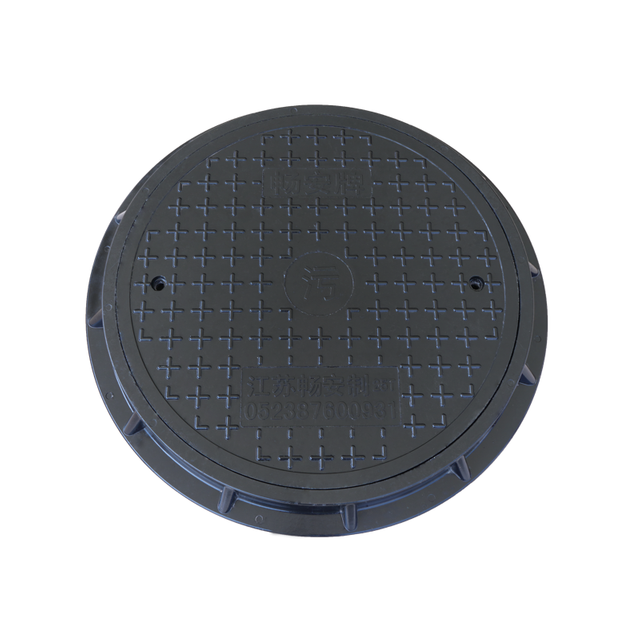
Standard hex bolts provide baseline security and require basic socket wrenches, but are vulnerable to common tampering.
High-security locking mechanisms (e.g., proprietary lock bolts) are essential for municipal and critical infrastructure to prevent intruders and unauthorized entry.
Weather and corrosion-resistant adhesive sealants are critical secondary measures to secure the frame flange and prevent water ingress or odor escape.
Selecting the right securing method requires evaluating load ratings, environmental exposure, and municipal compliance standards to avoid implementation failures.
Table of Contents
Securing an underground access point requires more than dropping a heavy iron plate over a hole. You must define what constitutes a successful installation based on site-specific risks. A thorough evaluation ensures the chosen hardware performs reliably under stress. We categorize these success criteria into three distinct areas.
You must differentiate between securing against environmental factors and human factors. Environmental threats include severe flooding, pressurized gas leaks, and seismic shifts. Storm sewer systems frequently experience surcharge conditions where backpressure blows unbolted lids right off their frames. These situations require heavy-duty seals and bolted lockdown mechanisms to keep the casting seated. Human factors involve vandalism, metal theft, terrorism, and keeping out malicious intruders. Mitigating human threats requires specialized hardware that resists picking, drilling, and unauthorized extraction tools. Assessing your primary threat dictates the complexity of your locking system.
Security measures must not hinder emergency response times. Establish the baseline need for authorized personnel to access the manhole quickly. During utility emergencies, such as a ruptured water main or a gas leak, crews cannot waste time destroying a seized locking mechanism. The hardware must allow reliable entry using designated tools. Facility teams must implement strict key management protocols. You need a system that keeps the public out while letting your technicians in without unnecessary operational friction. Confined space entry teams also require lids that swing or lift clear of the opening without snagging harnesses or air lines.
Modifying or securing access points requires strict adherence to established engineering standards. Note the importance of adhering to local utility codes and OSHA standards for confined space entry. Highway and roadway installations must comply with AASHTO load ratings, specifically H-20 and HS-20 standards, which dictate how much traffic weight the assembly can handle. Securing hardware must not compromise the structural integrity of the casting. Drilling unauthorized holes into a cast iron lid creates stress risers that lead to catastrophic failure under heavy truck traffic. Failing to meet these compliance standards exposes your organization to severe legal liabilities.
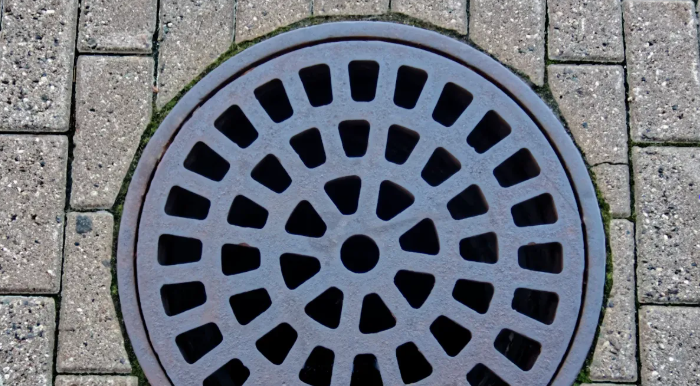
Engineers utilize several distinct methods to lock down utility access points. The appropriate choice depends entirely on the location, traffic load, and required security level. We evaluate the primary technical approaches used in the field today.
Standard hex bolts offer a straightforward method to secure the manhole cover directly to the frame. This approach utilizes pre-drilled, tapped holes in the casting. Technicians thread the bolts through the cover and into the frame flange. This provides a physical lockdown that prevents the lid from rattling under heavy traffic or popping off during minor flood events. Field crews often use a tap and die set to clean out the threads in older frames before installing new bolts.
This method requires specific socket wrenches for removal. It provides a baseline level of deterrence against casual tampering. Opportunistic vandals rarely carry heavy-duty socket sets. However, standard hex bolts remain vulnerable to targeted tampering by anyone with basic hardware store tools. Material selection plays a critical role in this method. You should specify 304 or 316 stainless steel bolts to prevent galvanic corrosion between the fastener and the iron frame. Carbon steel bolts will rust solid within a single winter season.
Critical infrastructure demands advanced protection. Proprietary, high-security lock bolts effectively keep out intruders. Systems like McGard ManLock utilize uniquely patterned keys registered to specific municipalities or utility companies. These mechanisms replace standard hex bolts and offer superior resistance to unauthorized entry. Water treatment plants, telecommunication hubs, and electrical vaults rely heavily on these systems.
The mechanics of these locks prioritize physical defense. The bolt heads sit flush or recessed within the cover. This geometry prevents gripping by pliers, pipe wrenches, or standard extraction tools. The hardened steel construction resists drilling and cutting. Operating these locks requires a specific workflow. You insert the key into the lock mechanism and turn clockwise against resistance. You must verify the engagement click to ensure the cover is securely locked. This tactile feedback confirms the mechanism has seated properly.
Mechanical fasteners secure the cover, but sealants secure the infrastructure. Weather and corrosion-resistant adhesive sealants applied between the frame flange bottom and the underlying surface are vital. They create a watertight barrier that protects the concrete or brick adjustment rings below. Water infiltration at the frame joint causes sinkholes and pavement degradation.
Sealants prevent micro-movements caused by heavy vehicle traffic. Over time, these micro-movements can loosen mechanical fasteners and degrade the surrounding pavement. A high-quality industrial adhesive absorbs vibration and maintains structural integrity. You must follow strict application protocols. Highlight the strict necessity of wiping and clearing all debris from the materials before application. Surface preparation ensures a structural, watertight bond that withstands freeze-thaw cycles.
Sealant Type | Flexibility | Cure Time | Best Field Application |
|---|---|---|---|
Polyurethane | High | 24-48 Hours | High-traffic roadways, absorbing heavy vibration |
Silicone (Industrial) | Extreme | 12-24 Hours | Areas with extreme temperature fluctuations |
Epoxy Resin | Rigid | 2-6 Hours | Permanent structural bonding, no movement expected |
Butyl Rubber Tape | Moderate | Immediate | Quick field repairs, temporary water sealing |
Securing internal or basement manhole covers presents unique challenges. These installations are often a primary concern in residential or light commercial properties. Property owners frequently attempt dangerous DIY solutions. We must evaluate DIY versus professional approaches critically.
Detail the severe safety risks of cutting 2x4s to width, laying them across the inside ledge, and covering them with a sheet of plywood. This makeshift approach rots quickly, fails under human weight, and provides zero gas protection. You must install a properly recessed, bolted, and sealed internal cover. Discuss odor-blocking and radon-mitigation requirements for internal covers. A professional installation utilizes the frame's inside ledge and a neoprene gasket to create an airtight seal. This prevents hazardous sewer gases from entering occupied building spaces.
Residential gardens, patios, or driveways require security without compromising aesthetics. You must address the specific requirements for securing a manhole cover in these visible areas. Standard iron covers disrupt the visual flow of block paving or decorative concrete. Homeowners want the utility access hidden but fully functional.
Recessed manhole covers, or trays, solve this aesthetic problem. Explain the mechanics of recessed covers that utilize the inside ledge to hold block paving, concrete, or grass. The tray integrates seamlessly with the surrounding landscape while maintaining a secure barrier. Detail the process of lowering a manhole and replacing a rusty surround. This modification accommodates a flush-fitting secure manhole cover that safely handles domestic load ratings while keeping the access point hidden and locked. Installers must ensure the tray includes drainage weep holes to prevent water from pooling inside the recessed pan.
Selecting the right securing method involves balancing competing operational needs. Maximum security often creates maintenance friction. You must evaluate these trade-offs to ensure your infrastructure remains both protected and functional.
High-security locks excel at keeping unauthorized individuals out. However, you must analyze the operational friction introduced by these mechanisms during time-sensitive utility emergencies. When a water main breaks or a gas line ruptures, crews need immediate entry. Searching for a specialized key wastes critical minutes. A frozen lock mechanism can force crews to use a cutting torch, destroying the asset.
Facility teams must discuss key management protocols. You must ensure specialized tools are available when needed. This often involves securely mounting lockboxes on utility vehicles or implementing strict sign-out procedures at the maintenance depot. Balancing security with emergency access requires continuous logistical oversight. If you install proprietary locks, you must train every shift supervisor on how to deploy the extraction tools.
Infrastructure components must survive decades of harsh conditions. Compare the lifecycle costs of standard galvanized bolts versus marine-grade stainless steel or specialized alloy lock bolts. Galvanized hardware costs less initially but rusts quickly in wet environments. Stainless steel requires a higher upfront investment but drastically reduces long-term maintenance labor.
Evaluate how extreme weather impacts the longevity of both the hardware and the adhesive sealants. Freeze-thaw cycles expand water trapped in bolt holes, potentially cracking the casting. Road salt accelerates galvanic corrosion between dissimilar metals. Selecting premium materials scales better across large municipal networks by reducing the frequency of seized bolt extractions.
Securing Method | Security Level | Emergency Access Speed | Ideal Environment |
|---|---|---|---|
Standard Hex Bolts | Low to Medium | Fast (Standard Tools) | Low-risk municipal streets, private facilities |
Proprietary Lock Bolts | High | Slower (Requires Registered Key) | Critical infrastructure, high-crime areas |
Recessed Trays | Medium | Moderate (Requires Lifting Keys) | Residential patios, gardens, driveways |
Internal Sealed Covers | High (Airtight) | Moderate (Bolted Flange) | Basements, interior commercial floors |

Proper installation dictates the long-term success of any securing method. Even the most advanced proprietary lock fails if installed in a compromised frame. Follow these technical steps to ensure a robust, reliable lockdown.
Never install new security hardware on failing infrastructure. Outline the process for inspecting the existing frame and cover for rust, structural fatigue, or warping. Look for hairline cracks radiating from the bolt holes. Check the inside ledge for severe pitting that could prevent a flush seal. A warped frame will cause the lid to rock, eventually snapping the security bolts under traffic loads.
Detail the surface preparation required before installation. You must perform thorough wire-brushing to remove loose scale. Follow up by degreasing the contact points and completely drying the frame flange. Assess whether the existing infrastructure requires lowering the manhole or completely replacing a rusty manhole surround. You cannot safely install new security hardware on a crumbling foundation.
Creating a watertight, vibration-resistant base requires precision. Provide technical steps for applying the correct bead of weather-resistant adhesive sealant to the frame flange bottom. Use a continuous, unbroken bead to prevent water tracking under the frame. Allow the sealant to cure according to the manufacturer's specifications before subjecting it to traffic loads.
Explain the process of seating the cover on the inside ledge. You must ensure even weight distribution. Clean the inside ledge thoroughly before lowering the lid. Use lifting hooks to position the cover, ensuring precise alignment with the bolt holes. Dropping the cover unevenly can damage the tapped threads or pinch the sealing gasket.
Fastening the hardware correctly prevents long-term operational failures. Detail the fastening sequence to prevent warping or cross-threading. Always use a star pattern sequence when tightening multiple bolts. This method distributes the clamping force evenly across the casting.
Clean the tapped holes in the frame using a wire tube brush and compressed air.
Apply a generous coating of marine-grade anti-seize compound to the bolt threads.
Hand-thread each bolt into the frame to ensure proper alignment and prevent cross-threading.
Tighten the bolts in a star pattern using a calibrated torque wrench.
Specify torque requirements for hex bolts based on the manufacturer's engineering guidelines (typically 40-60 ft-lbs).
For high-security lock mechanisms, perform the physical verification steps. Feel the resistance during rotation and hear the click that confirms the locking pins have engaged fully.
Field conditions rarely match laboratory testing. Anticipating common failure points allows you to build resilience into your maintenance program. We identify three primary implementation risks and provide actionable mitigation strategies.
Risk: Bolts rusting and seizing within the tapped holes. This requires destructive removal, such as drilling or cutting, which damages the frame and delays emergency access.
Mitigation: Use of anti-seize compounds during initial installation is mandatory. Coat the bolt threads generously before insertion. Establish routine maintenance schedules to back out and re-lubricate fasteners annually. Always select appropriate corrosion-resistant alloys, prioritizing 316 stainless steel in coastal or high-salt environments.
Risk: Inability to access critical infrastructure due to lost proprietary keys. This creates dangerous delays during utility blowouts or structural fires.
Mitigation: Implementing strict inventory controls for specialized socket wrenches and registered security keys. Assign keys to specific vehicles rather than individual technicians. Conduct weekly audits of security hardware tools. Maintain a secure, centralized backup key at the main facility command center.
Risk: Securing the cover to a deteriorating frame. Heavy traffic loads can cause the entire assembly to break loose, creating a massive road hazard.
Mitigation: Conducting a full structural assessment before upgrading locks. Inspect the concrete adjustment rings and brickwork below the casting. Replace the rusty manhole surround entirely if the flange shows severe degradation. A strong lock requires a solid foundation.
The optimal way to manage your infrastructure depends entirely on the surrounding environment. Standard hex bolts and industrial sealants suffice for low-risk areas and private facilities. Recessed covers provide the ideal solution for gardens and patios where aesthetics matter. However, proprietary lock bolts remain absolutely mandatory for critical infrastructure to keep out intruders and prevent sabotage. Decision-makers must audit their current covers for bolt-hole compatibility before purchasing new hardware. Assess your specific threat level by reviewing past vandalism incidents and environmental flooding data. Evaluate your team's tool-management capabilities to ensure high-security locks will not hinder emergency response times.
For municipal, utility, and infrastructure projects requiring dependable access solutions, Jiangsu Chang'an Manhole Cover Co., Ltd. focuses on manhole cover products designed for diverse installation and application requirements. With an emphasis on practical infrastructure needs, product durability, and reliable access solutions, the company supports projects seeking long-term performance across different operating environments.
Audit your existing infrastructure to identify unbolted, cracked, or compromised castings.
Consult a structural engineer to verify AASHTO load ratings for your specific traffic conditions before ordering replacement lids.
Implement a centralized key management system and train all shift supervisors before installing proprietary locking mechanisms.
Establish a bi-annual maintenance schedule to clean threads and re-apply anti-seize compounds to all mechanical fasteners.
A: Standard installations require a heavy-duty socket wrench set, wire brushes for surface preparation, and lifting hooks. High-security covers require proprietary, registered key tools provided by the lock manufacturer. You will also need a caulking gun for applying weather-resistant adhesive sealants to the frame flange.
A: No. Standard hardware store bolts lack the required shear strength and corrosion resistance. You must use industrial-grade, marine-quality stainless steel (304 or 316) bolts designed specifically for infrastructure load ratings. Inferior bolts will rust, seize, or shear off under heavy traffic.
A: Always apply a high-quality, marine-grade anti-seize compound to the bolt threads before installation. Select stainless steel hardware to prevent galvanic corrosion. Implement a routine maintenance schedule to loosen, inspect, and re-lubricate the bolts annually to ensure they remain functional.
A: Use a professional-grade, weather and corrosion-resistant elastomeric polyurethane sealant. This type of adhesive sealant absorbs traffic vibrations, prevents micro-movements, and creates a watertight bond. Ensure the frame flange is completely clean, degreased, and dry before application.
A: Never use 2x4s and plywood. You must install a professionally manufactured, recessed internal cover. These units bolt directly into a dedicated frame and utilize a neoprene gasket on the inside ledge. This creates an airtight, structural seal that blocks odors, mitigates radon, and safely supports foot traffic.
A: You must excavate around the existing frame, remove the rusty manhole surround, and adjust the brickwork or concrete rings to the new desired height. Install a recessed tray frame, apply adhesive sealant, and seat the tray. Fill the recessed tray with your matching paving stones or soil.
A: High-security keys are uniquely patterned and registered to your organization. You must contact the manufacturer with your registration credentials to order a replacement. During an emergency without the key, crews must use destructive extraction methods, such as heavy drilling, which ruins the locking mechanism.


