
Views: 0 Author: Site Editor Publish Time: 2026-08-21 Origin: Site


Utility access points are the gateways to underground infrastructure. A manhole cover isn't just a metal plate over a hole; it's an engineered barrier protecting water, electrical, and telecom networks from dynamic traffic loads and unauthorized entry. Specifying the wrong cover brings immediate operational risks. An under-rated cover will crack under heavy truck traffic, leading to road collapses. Poor sealing lets surface water flood wastewater systems, while bad surface traction causes slip-and-fall accidents. You need a strict framework to evaluate specific manhole cover features. This guide walks specifiers and site engineers through baseline load requirements, material properties, and security configurations. By matching the right features to the exact site conditions, you prevent premature structural failure and keep the public safe.
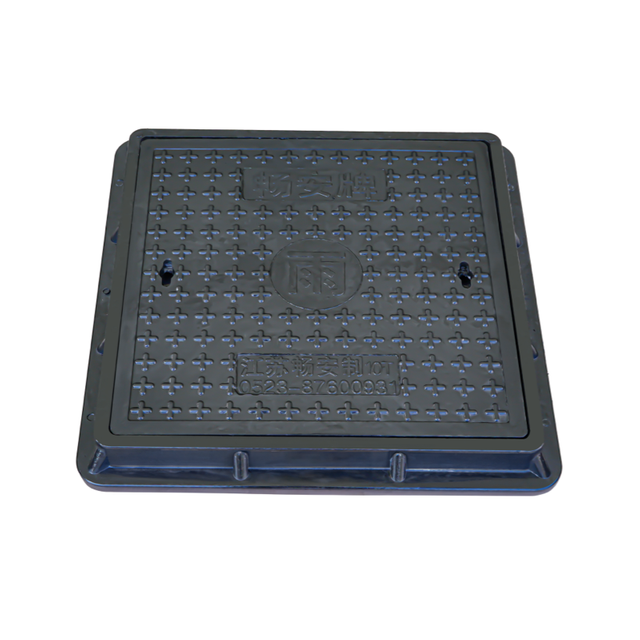
Load Class Dictates Baseline: Selection must begin with strict adherence to standardized load ratings (e.g., EN 124 or AASHTO) to ensure structural survivability under expected traffic.
Material Selection Drives Lifecycle Value: The choice between ductile iron, heavy-duty composites, and light-duty plastics directly impacts installation ergonomics, corrosion resistance, and theft vulnerability.
Security Features Mitigate Risk: Tamper-resistant bolts, integrated padlocks, and hidden hinges are essential manhole cover features for protecting critical infrastructure from unauthorized access.
Environmental Sealing is Application-Specific: Gas-tight and watertight sealing features are non-negotiable for sanitary sewers and sensitive utility vaults, requiring precise frame-to-cover matching.
Table of Contents
Load ratings dictate the absolute structural survivability of any access cover. You must perfectly match the operational threshold of the cover to the physical demands of the installation environment. Standardized testing frameworks, such as the European EN 124 or the American AASHTO M306, provide the engineering baseline for these decisions. Pedestrian zones require A15 ratings, engineered to handle light foot traffic and basic landscaping loads without deflecting. Light vehicle areas utilize B125 covers, typically installed in residential driveways and small commercial car parks where heavy delivery trucks are prohibited.
Heavy traffic environments demand D400 specifications. These robust covers withstand continuous, high-speed commercial truck loads on main highways and arterial roads. They absorb not just the static weight of a vehicle, but the massive dynamic forces generated by heavy braking and rapid acceleration. Extreme industrial environments require F900 ratings. Airports, shipping ports, and heavy military installations rely on these massive load capacities to support the extreme point-loading of aircraft landing gear and heavily laden reach stackers.
Load Class (EN 124) | Test Load | Typical Application | Site Example |
|---|---|---|---|
A15 | 15kN | Pedestrian only | Parks, residential lawns, indoor facilities |
B125 | 125kN | Light vehicular | Driveways, footpaths, light car parks |
D400 | 400kN | Heavy traffic | Main highways, arterial roads, industrial estates |
F900 | 900kN | Extreme industrial | Airport taxiways, shipping ports, military bases |
Under-specifying a load class guarantees mechanical failure. The cover will crack, dish, or collapse entirely under the stress of unauthorized heavy traffic. This destroys the expensive utility infrastructure below and causes severe accidents on the surface. Conversely, over-specifying wastes valuable capital expenditure on unnecessary structural strength. Excessive weight also complicates the initial installation process and makes routine maintenance highly inefficient, requiring heavy lifting machinery for a cover that only sees foot traffic.
Dimensional accuracy is your primary defense against mechanical failure and premature wear. Many contractors confuse the clear opening with the overall frame dimension, leading to costly procurement errors. The clear opening is the actual, unobstructed access space available when the cover is removed. It is the physical hole that utility workers, inspection cameras, and maintenance equipment must pass through. The overall frame dimension includes the outer flanges that rest securely on the concrete or brick supporting chamber.
Frame depth and seating thickness determine exactly how the cover rests inside its supporting frame. Incorrect seating depth causes the cover to sit proud of the road surface, creating a hazard for snowplows, or sit too low, creating a jarring pothole effect. Dimensional mismatches cause rocking. Rocking leads to uneven wear on the seating faces and eventual structural failure of the frame itself. Traffic impacts amplify this damage exponentially over time.
Precise measurement is the only reliable method for replacement and retrofitting operations. Follow these steps to ensure accurate sizing:
Remove the existing cover and thoroughly clean the frame seating ledge of all debris, dirt, and old grease.
Measure the clear opening across the narrowest inside points of the frame, taking multiple readings to check for distortion.
Measure the frame depth from the top surface level down to the seating ledge.
Record the overall frame size, including the outer flanges that rest on the supporting chamber.

Iron offers exceptional compressive strength and possesses a long, proven history of reliability in global municipal infrastructure. Traditional grey cast iron is highly rigid, while modern ductile iron incorporates spheroidal graphite, giving it a degree of flexibility. This allows ductile iron covers to deform slightly under extreme stress rather than shattering into dangerous projectiles. This resilience makes ductile iron a traditional standard for high-speed highway applications where dynamic traffic loads are continuous and punishing.
Relying solely on iron carries severe inherent drawbacks. Extreme weight is the most prominent issue, often requiring specialized mechanical lifting equipment just to perform basic visual inspections. Manual removal by utility crews frequently causes severe musculoskeletal injuries. Iron is also highly susceptible to rapid corrosion. Aggressive road de-icing salts, acidic soil conditions, and hydrogen sulfide gases found in sanitary sewers accelerate this degradation, weakening the structural integrity over time. The high global scrap value of metal makes iron covers prime targets for organized theft, leaving open, highly dangerous pits in roadways.
Fiberglass-reinforced composites represent a major engineering shift in utility access technology. These materials provide an exceptionally high strength-to-weight ratio. A highly engineered composite cover easily meets stringent D400 highway load ratings while weighing up to seventy percent less than its ductile iron equivalent. This dramatic weight reduction transforms installation ergonomics. A single utility worker can often remove and replace a heavy-duty composite cover safely using standard hand tools, drastically reducing the time and labor required for routine network maintenance.
Composites offer unique technological advantages that metals simply cannot replicate. They provide zero radio frequency (RF) signal interference. This is absolutely crucial for modern smart city infrastructure, where sensitive telemetry sensors transmit real-time data from underground water meters and electrical grids to central monitoring stations. Iron covers block these signals, while composites allow seamless transmission. Composites hold zero scrap value on the recycling market, completely eliminating the risk of theft. Lifecycle advantages are substantial, as composites never rust, resist harsh industrial chemicals, and remain completely unaffected by corrosive sewer gases.
Standard plastic covers serve a fundamentally different purpose than heavy-duty structural composites. High-density polyethylene (HDPE) and polypropylene are engineered as lightweight, cost-effective solutions for specific, highly controlled environments. They lack the structural rigidity to support vehicular traffic and will fail immediately if installed in a roadway. They are strictly engineered for light-duty, pedestrian-only applications.
You will primarily use HDPE covers in residential landscaping projects, domestic inspection chambers, and private garden pathways. Their lightweight construction makes them incredibly easy for homeowners and residential plumbers to handle without specialized lifting keys. They are completely corrosion-proof, ensuring they will not rust shut over decades of exposure to rain and soil moisture. Manufacturers often mold plastic covers in various colors, allowing them to blend seamlessly into lawns, mulch beds, and decorative patios.
Fabricated steel and aluminum fill highly specific niche access requirements where standard cast molds are impractical. Manufacturers can easily cut, fold, and weld these metals into bespoke sizes and complex geometric shapes. You are not limited to standard circular or square casting molds. This fabrication flexibility makes steel and aluminum perfect for unusually shaped utility trenches, elongated access pits, and custom architectural layouts.
Galvanized steel works exceptionally well in internal industrial facility environments. Factories, processing plants, and warehousing facilities use heavy-duty steel covers over wide, shallow access pits housing conveyor motors or electrical junctions. Aluminum provides a highly decorative, premium finish. You will frequently find aluminum covers specified in commercial shopping plazas, hotel lobbies, and high-end architectural projects. They often feature recessed trays rather than solid top plates. Flooring contractors fill these recessed trays with matching paving stones, terrazzo, or ceramic tiles to hide the access point.
Continuous traffic vibration causes unsecured covers to shift, rattle, and eventually dislodge from their seating frames. Extreme weather events create massive hydraulic back-pressure in overloaded sewer and stormwater systems. This rapid pressure buildup easily blows heavy, unsecured iron covers completely out of the roadway. Bolt-down mechanisms prevent this dangerous displacement. High-tensile stainless steel bolts anchor the cover directly to the embedded frame, ensuring the unit remains securely seated regardless of vibration or internal hydraulic pressure.
True infrastructure security requires far more than standard hexagonal bolts, which anyone can remove with a basic wrench. Proprietary, tamper-proof bolt heads actively deter vandalism and prevent unauthorized utility access. These specialized fastenings require unique, coded security keys distributed only to authorized maintenance crews. This level of protection is vital for safeguarding highly sensitive assets, including telecommunications fiber-optic hubs, high-voltage electrical grids, and municipal clean water supplies.
High-security environments, such as military bases, data centers, and critical water reservoirs, demand robust, multi-layered locking mechanisms. Under-cover padlock brackets provide excellent secondary protection. The padlock mechanism remains completely hidden beneath the solid surface of the cover. Vandals and thieves cannot access the lock with heavy bolt cutters, pry bars, or angle grinders, making unauthorized entry nearly impossible without heavy excavation equipment.
Concealed hinge systems pair perfectly with these advanced padlocks. Hinges keep the cover permanently attached to the frame, preventing the lid from being dragged away or dropped down the shaft. Maintenance crews simply unlock the mechanism and pivot the cover open to a locked 120-degree angle. They entirely eliminate the dangerous need to deadlift and manually remove a heavy lid from the aperture. This prevents dropped covers, crushed toes, and severe back injuries.
Manual handling incidents cause the vast majority of severe utility worker injuries. Ergonomic features are specifically engineered to mitigate this daily physical strain. Drop-handles lie perfectly flush with the cover surface to avoid creating a trip hazard, but easily lift up to provide a secure, comfortable grip for two-person lifting operations. Specially designed keyholes allow crews to insert long-handled lifting levers. These levers utilize mechanical advantage to multiply physical force, drastically reducing the back strain required to break the seal on a heavy cover.
Gas-strut lift assists represent the absolute pinnacle of ergonomic access design. They function similarly to the hydraulic struts found on a heavy car hatchback or industrial machinery enclosure. The worker simply unlocks the primary security bolts, and the integrated gas strut smoothly pushes the heavy cover open with minimal physical effort. This allows a single technician to safely open massive, multi-part trench covers that would otherwise require a crane or a four-person team.
Efficient municipal asset management requires the rapid, error-free identification of underground utilities. Custom-molded ID tags solve this logistical problem directly at the surface level. Color-coding and clear text instantly identify the specific utility type housed below. A red badge indicates high-voltage electricity, blue indicates potable water, and green signifies sanitary sewers. This prevents dangerous cross-contamination and ensures emergency responders access the correct shut-off valves immediately during a crisis.
Modern access covers integrate deeply with digital asset management networks via embedded RFID or NFC chips. Field crews scan the surface of the cover with a ruggedized smartphone or tablet. They instantly access a wealth of digital information, including historical maintenance records, precise depth charts, confined space safety protocols, and the exact GIS coordinates of the asset. Custom municipal logos and utility branding can be cast or molded directly into the cover's surface to deter theft and establish ownership.
Surface tread patterns are highly engineered safety features. Chequer plates, raised nodes, and complex geometric treads are meticulously designed to meet specific slip-resistance values (SRV) and pendulum test values (PTV). High SRV ratings are legally mandated to prevent pedestrians from slipping in wet, icy, or oily conditions. They also provide essential grip for vehicle tires, stopping motorcycles and bicycles from losing traction when cornering over the metal or composite surface.
You can heavily customize surface patterns to reflect specific urban design aesthetics. Historical districts and heritage sites often require covers that mimic the texture of surrounding cobblestones or brickwork. Modern architectural landscapes utilize sleek, minimalist geometric treads that complement contemporary paving materials. The chosen pattern must perfectly balance aesthetic integration with strict anti-slip safety mandates, ensuring the cover enhances the streetscape without compromising public safety.
Surface water ingress rapidly overwhelms wastewater treatment plants, leading to costly processing inefficiencies and environmental discharge fines. Escaping sewer gas creates highly toxic underground environments and generates terrible odors in residential neighborhoods. Advanced sealing options are engineered to solve both of these critical environmental problems. Single-seal configurations use a simple, machined tongue-and-groove joint between the cover and the frame. Maintenance crews fill this open keyway joint with heavy grease or packed sand to provide basic, low-level odor control.
Double-seal configurations offer vastly superior environmental protection. They utilize highly durable neoprene or EPDM rubber gaskets fitted precisely into the frame seating. These specialized gaskets compress tightly when the cover is bolted down, creating an impenetrable barrier. This achieves strict, certified watertight and gas-tight ratings. You must specify these advanced elastomeric gaskets for sanitary sewers, chemical processing plants, and sensitive electrical vaults where absolute isolation from the surface environment is mandatory.
Certain underground infrastructure systems require constant, high-volume airflow to function safely. District heating networks generate massive amounts of subterranean steam and heat that must be vented to prevent pressure buildups. Specific sanitary sewer applications produce highly explosive methane gas and corrosive hydrogen sulfide. You must allow these dangerous gases to disperse safely into the atmosphere rather than accumulating in confined spaces where a single spark could trigger an explosion.
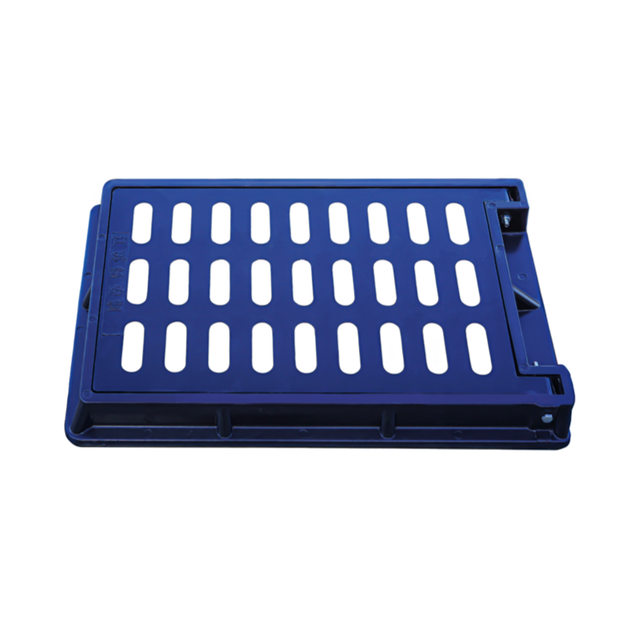
Grated or highly vented covers provide this essential atmospheric ventilation. They feature engineered slots or circular holes calculated to provide a specific percentage of open area. Stormwater management systems also rely heavily on grated covers. They are designed to capture massive volumes of surface runoff during heavy rain events while simultaneously blocking large debris, such as branches and trash, from clogging the drainage pipes.
Placing a brand-new cover directly into an old, existing frame carries significant technical risks and often leads to premature failure. Embedded frames warp, twist, and wear down unevenly over decades of absorbing heavy traffic impacts. A new, perfectly flat cover will not sit flush in a warped, distorted frame. This dimensional mismatch causes immediate rocking. Rocking generates severe noise pollution, accelerates wear on the new cover's seating edges, and ultimately compromises the certified load rating, rendering the new cover unsafe.
You must establish strict, uncompromising criteria for complete frame replacement. If the old embedded frame shows visible stress cracking, heavy rust delamination, or uneven, worn seating ledges, full excavation is absolutely mandatory. You must break out the surrounding asphalt and concrete mortar bed. Install a perfectly matched, factory-paired cover and frame set using high-strength epoxy resins or fast-setting bedding mortars. This is the only acceptable method to guarantee long-term structural integrity and properly support advanced manhole cover features like gas-tight EPDM seals or precision security hinges.
Selecting the wrong features based on assumptions triggers immediate regulatory failures. Municipalities and national highway agencies enforce incredibly strict infrastructure codes. You face severe project delays, failed site inspections, and forced replacement orders if your specified covers do not comply with local engineering standards.
Local building codes dictate specific, non-negotiable slip-resistance mandates for pedestrian zones and public squares. Utility providers maintain rigid, proprietary standards for clear opening dimensions, lifting keyhole shapes, and locking mechanisms to ensure compatibility with their existing maintenance tools. Always cross-reference your technical specification sheet with local municipal engineering guidelines and national standards before authorizing the procurement of materials.
Take the following actionable steps to secure and upgrade your infrastructure:
Audit your current utility access points immediately to identify cracked frames, missing security bolts, or covers with inadequate load ratings for their current traffic conditions.
Measure the clear opening and frame depth of any failing units to prepare accurate replacement specifications.
Consult with a qualified structural engineer to confirm the exact load class required for any new heavy traffic zones, industrial facility expansions, or airport upgrades.
Request a detailed technical specification sheet, including SRV ratings and material data, along with a formal quote from a qualified manufacturer.
Verify that all selected sealing gaskets, ventilation grates, and locking mechanisms fully comply with your local municipal infrastructure codes and utility provider standards.
For infrastructure projects requiring dependable and application-focused access solutions, Jiangsu Chang'an Manhole Cover Co., Ltd. provides manhole cover products designed to support the practical needs of municipal, utility, industrial, and infrastructure applications. With an emphasis on product durability, functional design, and real-world project requirements, the company helps customers select reliable access solutions for safer and longer-lasting infrastructure systems.
A: High-security areas require tamper-resistant bolts, concealed hinges, and integrated padlock brackets to prevent unauthorized access to critical infrastructure. Proprietary bolt heads stop vandals from opening the vault with standard tools. Hidden padlocks resist bolt cutters and grinding equipment, ensuring maximum protection for sensitive utility networks.
A: Surface patterns are engineered to channel water away and provide necessary slip resistance. Raised nodes and complex chequer patterns meet strict slip-resistance values (SRV) to protect pedestrians and vehicles from skidding. Occasionally, these patterns are customized to reflect specific urban design standards, blending safely into historical or modern streetscapes.
A: A watertight cover prevents surface water and heavy rain runoff from flooding underground electrical or telecommunications vaults. A gas-tight cover stops the escape of hazardous, explosive, or odorous sewer gases into the atmosphere. Both require specific neoprene or EPDM rubber gaskets and secure bolting configurations to maintain the necessary compression seal.
A: Composites offer an exceptionally high strength-to-weight ratio, making manual removal much safer for utility crews. They provide complete corrosion resistance against road salts and sewer gases, and offer RF transparency for smart city sensors. Furthermore, composites eliminate theft risk entirely because they possess zero scrap metal value on the recycling market.
A: Yes, both cast iron and composite covers can feature highly customized surface designs. Manufacturers can mold or cast city crests, municipal logos, and utility-specific color coding directly into the top surface. This improves aesthetic integration, deters theft, and greatly aids emergency responders in rapid utility identification.
A: Retrofitting advanced security features is highly limited by frame compatibility. Old, embedded frames often lack the necessary mounting points, thickness, or structural integrity for hinges or heavy-duty locks. In most cases, it is significantly safer and more cost-effective to replace the entire cover and frame unit.
A: Lift-assist features like integrated gas struts and ergonomic hinges drastically reduce the physical strain on utility workers. They eliminate the dangerous need to deadlift and manually move heavy covers. This minimizes the risk of severe musculoskeletal back injuries and crushed extremities during routine maintenance access.


