
Views: 0 Author: Site Editor Publish Time: 2026-08-21 Origin: Site


Specifying the wrong trench drain grate in high-traffic pedestrian zones carries massive liability. A single heel entrapment can lead to severe injuries, costly litigation, and delayed project handovers. Many industry professionals operate under a dangerous misconception regarding surface drainage infrastructure. They assume ADA compliance automatically makes a grate safe for high-heeled footwear. This assumption frequently leads to specification errors and hazardous walkway conditions.
We will break down the exact technical parameters that separate these two distinct standards. You will learn how to evaluate existing infrastructure using precise measurement techniques. We will detail how to balance hydraulic performance with pedestrian safety in complex hardscape environments. Ultimately, you will know exactly how to specify the correct ADA drain grate heel proof solution for your future commercial and public projects.
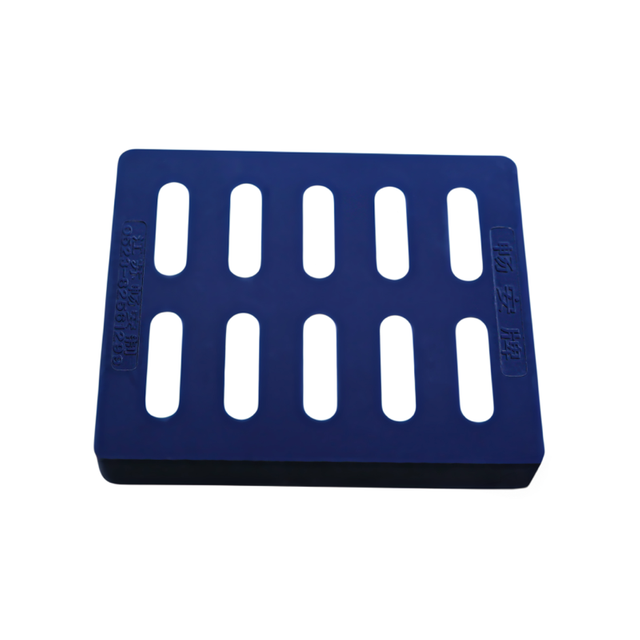
Dimensional Differences: ADA compliance permits openings up to 1/2 inch, whereas true heel-proof grates restrict openings to a maximum of 1/4 inch to 5/16 inch.
The "Quarter-Inch" Danger Zone: Standard ADA grates can have slots up to 1/4 inch larger than heel-proof models—the exact width of a standard stiletto heel.
The Compliance Overlap: All heel-proof grates are ADA compliant, but standard ADA grates are rarely heel-proof.
Hydraulic Trade-offs: Standard ADA grates resist plugging and blinding significantly better (up to 75%) than heel-proof alternatives, requiring a careful balance between safety and drainage capacity.
Application Specificity: Heel-proof grates are critical for commercial plazas and transit hubs, while standard ADA grates are better suited for areas with heavy debris and general wheelchair access.
Table of Contents
The Americans with Disabilities Act mandates specific dimensions for floor and ground surfaces to protect individuals using mobility aids. Under ADA Accessibility Guidelines (ADAAG) Section 302.3, drain grates located in pedestrian walkways must limit opening sizes. The maximum allowable opening is exactly 1/2 inch in one direction. This dimension specifically targets the wheels of wheelchairs, walkers, and the tips of walking canes. If a grate features elongated openings, the code dictates a strict orientation requirement. You must place these elongated slots perpendicular to the dominant direction of travel. This perpendicular orientation prevents a wheelchair caster from dropping into the channel and causing the user to pitch forward. It also stops crutches from wedging into the gaps during a stride. Compliance with this 1/2-inch standard ensures basic, legal accessibility for individuals using wheeled mobility devices across public hardscapes.
Industry-standard heel-proof grates feature much tighter manufacturing tolerances than basic ADA models. These grates restrict openings to a maximum width of 1/4 inch to 5/16 inch. The physics of high-heeled shoes, specifically stilettos, explain why this tighter tolerance is necessary. A standard stiletto heel measures roughly 1/4 inch to 3/8 inch in diameter at its base. When a person walks, they concentrate a significant portion of their body weight onto this tiny surface area, creating point loads that can exceed 1,000 pounds per square inch. The 1/2-inch ADA standard is entirely insufficient to stop this footwear. A stiletto will slip directly through a 1/2-inch slot without any resistance. This causes immediate heel entrapment. The forward momentum of the pedestrian then acts as a lever, frequently resulting in snapped heels, severe ankle sprains, or catastrophic falls. Protecting the general public in mixed-use spaces requires these stricter 1/4-inch dimensional limits to eliminate the entrapment risk entirely.
Specifiers frequently confuse these two standards during the design and submittal phases. Many architects and civil engineers assume the strictest accessibility standard automatically covers all pedestrian hazards. They see the "ADA Compliant" stamp on a cut sheet and rubber-stamp the approval. Market misinformation worsens the problem across the construction sector. Some suppliers falsely equate ADA compliance with high-heel resistance to push standard, cheaper inventory onto job sites. You must understand the hierarchical relationship between these ratings to avoid field errors. Heel-proof designs exceed ADA requirements. A 1/4-inch slot easily passes the 1/2-inch ADA rule. Therefore, all heel-proof grates are inherently ADA compliant. The reverse is absolutely false. A standard ADA grate will not protect high-heeled pedestrians, and installing one in a high-end retail plaza invites immediate liability.
Physical verification is mandatory for existing infrastructure. You cannot rely on visual estimates or outdated as-built drawings when assessing pedestrian safety. Field measurement requires precision tools and a systematic approach.
Clean the grate surface thoroughly with a wire brush to remove compacted dirt and debris that might alter the measurement.
Select a digital caliper or a set of standardized go/no-go dowel pin gauges.
Insert the caliper jaws or the 5/16-inch gauge into the widest section of the slot.
Test multiple slots across the entire length of the trench run, as casting tolerances can vary from grate to grate.
Pay special attention to the ends of the grates where they meet the frame, as gaps often widen at these junction points.
Complex geometric patterns complicate this measurement process significantly. Wavy lines, botanical patterns, or interlocking cast designs often hide wider gaps. You must assess the absolute widest diagonal point of any single opening. Ensure no section exceeds the 5/16-inch maximum threshold. If a 3/8-inch dowel pin drops through any part of the pattern, the grate fails the heel-proof test and requires replacement.
Manufacturer documentation requires careful auditing before procurement. When reviewing submittal packages, you must dig past the marketing brochures and examine the technical data sheets thoroughly. Look for explicit "heel proof" dimensional designations. The documentation must state a maximum opening size of 1/4 inch or 5/16 inch. Ignore vague marketing terminology entirely. Phrases like "pedestrian safe," "barefoot friendly," or "walkway approved" lack standardized dimensional backing. They offer no legal protection against entrapment claims in a court of law. Demand certified engineering drawings that confirm exact slot widths before approving any submittal. If the cut sheet only mentions ADA compliance, you must issue a Request for Information (RFI) to confirm the exact slot dimensions before allowing the contractor to order the materials.
Trench drain orientation impacts both ADA compliance and heel safety. Linear grates rely on directional placement to meet ADA codes. You install them perpendicular to the main walking path. However, multi-directional traffic renders orientation-based compliance completely ineffective. Open plazas, courtyards, transit platforms, and intersections see pedestrians approaching from all 360 degrees. A perpendicular slot for a pedestrian walking north is a parallel trap for a pedestrian walking east. In these multi-directional zones, you cannot rely on orientation to provide safety. You must specify a strict heel-proof aperture. A 1/4-inch opening protects pedestrians regardless of their travel direction, eliminating the orientation variable entirely.
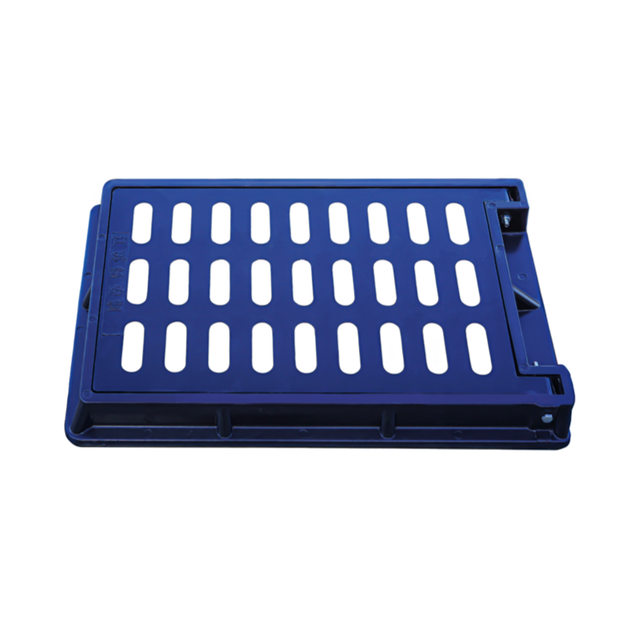
Reducing the open surface area directly decreases water intake capacity. Heel-proof grates have significantly less open space than standard grates. This creates a severe hydraulic trade-off that civil engineers must account for during the design phase. Standard ADA grates resist plugging and blinding approximately 75% better than heel-proof alternatives. The larger 1/2-inch slots allow small debris to wash through the system and into the catch basins. Micro-slots block this debris directly at the surface.
Grate Type | Maximum Slot Width | Average Open Area (%) | Debris Blinding Risk | Hydraulic Intake Capacity |
|---|---|---|---|---|
Standard Slotted | 3/4 inch | 45% - 60% | Low | Excellent |
Standard ADA | 1/2 inch | 30% - 40% | Moderate | Good |
Heel-Proof | 1/4 inch | 15% - 25% | High | Restricted |
Specifying an ADA drain grate heel proof model in areas with high organic debris invites surface ponding. Leaves, mulch, grass clippings, and paper easily seal off 1/4-inch openings during heavy rain events. To compensate for the restricted intake capacity, engineers often need to specify wider trench channels or increase the number of outlet pipes to handle the same volume of water.
Micro-slotted grates carry an increased maintenance burden for facility operators. The 1/4-inch slots trap smaller particulate matter, silt, and urban debris that would normally flush through a standard system. Pine needles, small pebbles, and chewing gum wedge tightly into these narrow gaps, effectively sealing the trench drain over time. Facility managers must adjust cleaning frequencies when upgrading to heel-proof systems to prevent localized flooding.
Implement weekly visual inspections during autumn months when leaf fall is heaviest.
Schedule high-pressure washing quarterly to dislodge wedged particulates from the micro-slots.
Use stiff-bristled mechanical sweepers to clear surface blinding after major public events.
Clear adjacent landscaping debris, such as loose mulch or gravel, before major storm events hit.
Deploy vactor trucks annually to perform deep cleaning of the trench channel below the grate.
High-pedestrian zones require a strict cost-benefit analysis. You must weigh hydraulic efficiency against slip-trip-and-fall liability. A flooded walkway causes inconvenience, minor property damage, and temporary access issues. A shattered ankle causes a massive lawsuit, negative press, and soaring insurance premiums. Specifying the correct grate mitigates legal exposure in commercial environments. High-end retail centers, corporate campuses, and luxury hotels face immense liability from high-heeled patrons. The upfront cost of micro-slotted grates is negligible compared to a single injury settlement. Prioritize pedestrian safety over maximum hydraulic flow in these specific demographic zones. You can always engineer a larger trench to handle the water, but you cannot engineer away the liability of a 1/2-inch slot in a stiletto-heavy environment.
Certain environments demand strict 1/4-inch specifications without exception. Corporate entryways see heavy professional foot traffic daily, with a high percentage of business footwear. Transit stations handle massive crowds moving rapidly across wide concourses, where a tripped pedestrian can cause a dangerous chain reaction. High-end retail plazas, outdoor dining patios, and entertainment venues attract patrons wearing diverse, fashion-forward footwear. The demographic makeup of the foot traffic dictates the specification. You must protect the general public from hidden trip hazards. In these high-risk zones, standard ADA compliance falls short. You must mandate heel-proof grates to ensure absolute safety for stilettos and narrow heels.
Standard 1/2-inch ADA grates excel in specific environments where high heels are virtually nonexistent. Public parks handle heavy organic debris loads from surrounding trees and landscaping. Industrial walkways require maximum drainage capacity for daily washdown procedures and chemical spill containment. Parking garages face constant dirt, trash, and automotive fluid runoff. These areas rarely see high-heeled footwear. Using heel-proof grates here introduces severe operational failure risks. The micro-slots will blind rapidly with leaves and trash. This causes dangerous surface flooding and ice formation in winter months. Match the grate opening to the expected debris load and the realistic pedestrian demographic of the specific zone.
Material choices impact the manufacturing feasibility of micro-slots. Maintaining heel-proof slot dimensions while achieving heavy-duty load ratings is a significant engineering challenge. Areas with mixed pedestrian and vehicular traffic require careful material selection.
Material | Manufacturing Precision for 1/4" Slots | Load Bearing Capacity | Best Application |
|---|---|---|---|
Cast Iron | Poor (Webs tend to break during casting) | High (Class C to F) | Heavy industrial, non-pedestrian |
Ductile Iron | Good (Higher tensile strength allows thinner webs) | Very High (Class D to F) | Mixed traffic, loading docks |
Stainless Steel (Wedge Wire) | Excellent (Precision welded profiles) | Moderate (Class A to C) | High-end retail, pools, plazas |
Fiberglass Reinforced Polymer (FRP) | Excellent (Molded to exact tolerances) | Moderate to High (Class B to D) | Chemical areas, commercial walkways |
Cast iron provides massive strength but struggles with intricate, narrow casting tolerances. The sand molds often fail when trying to create 1/4-inch gaps. Ductile iron offers better tensile strength, allowing for thinner web designs that can handle AASHTO H-20 loads while maintaining heel-proof gaps. Stainless steel wedge wire is the gold standard for precise 1/4-inch gaps in architectural applications. You must source grates that meet the required EN 1433 load classes without widening the pedestrian slots to compensate for material weakness.
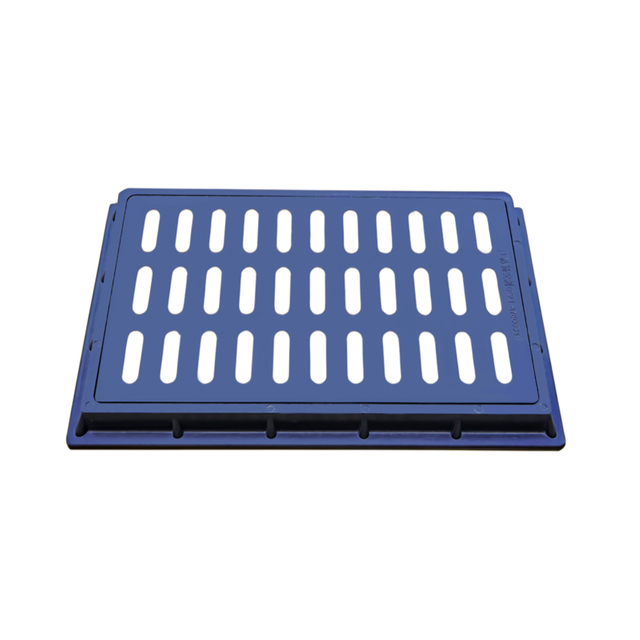
Specifying decorative or architectural grates in high-end hardscapes presents unique challenges. Landscape architects frequently request ornate, non-linear designs to match paving patterns or historical aesthetics. These cast patterns often pass the 1/2-inch ADA test easily. However, they contain hidden wide spots that fail the heel-proof standard. The intersection of two curved lines or the center of a botanical casting might create a 3/8-inch gap. This single gap fails the strict 1/4-inch heel-proof requirement. You must scrutinize the entire geometric pattern. Do not assume a decorative grate is safe just because the main slots look narrow. Request a physical sample and test it with a dowel gauge before approving the submittal.
Vague industry terminology causes dangerous specification errors on job sites every day. Deconstruct labels like "pedestrian safe" before approving materials. This label often only means the grate will not collapse under human weight. It refers strictly to the structural load rating (typically EN 1433 Class A). It does not guarantee the grate prevents heel entrapment. A heavy-duty municipal grate is "pedestrian safe" structurally but will easily trap a stiletto. Always demand exact dimensional measurements instead of relying on marketing categories. If the cut sheet does not list the maximum slot width in inches or millimeters, reject it.
Applying heel-proof standards universally across a project creates financial and operational consequences. Not every trench drain requires 1/4-inch slots. Placing micro-slotted grates in loading docks, maintenance yards, or heavy landscaping zones wastes budget. It also guarantees flooded walkways when industrial debris blinds the narrow slots. Assess each drainage zone independently. Specify heel-proof grates only where pedestrian demographics demand them. Use standard ADA grates elsewhere to maximize hydraulic efficiency, reduce maintenance costs, and prevent surface ponding.
Federal ADA guidelines provide a baseline for accessibility. However, local building codes frequently supersede these federal rules. Municipal or state-level authorities often enforce stricter pedestrian safety mandates based on historical litigation in their districts. Some jurisdictions mandate heel-proof grates in all public right-of-ways, regardless of the specific application or expected foot traffic. Always check local municipal codes, department of transportation standards, and city engineering guidelines before finalizing your specification. Failing to meet local safety amendments results in failed inspections, delayed occupancy permits, and costly rework.
An ADA compliant grate is not heel-proof by default. The critical 1/4-inch dimensional gap between the two standards creates significant liability if ignored. Specifiers must choose based on a matrix of pedestrian demographics, debris loads, aesthetic requirements, and hydraulic capacity. Balancing these factors ensures long-term safety and operational success across your hardscape projects.
For projects requiring dependable drainage and access solutions, Jiangsu Chang'an Manhole Cover Co., Ltd. focuses on composite manhole covers, drainage products, and related infrastructure solutions for a range of municipal, commercial, and industrial applications. With attention to product performance, application requirements, and practical project needs, the company helps customers select suitable solutions for safer and more efficient drainage infrastructure.
Audit your current site plans to identify high-risk pedestrian zones requiring strict 1/4-inch slot widths.
Request explicit dimensional cut sheets from manufacturers to verify exact aperture sizes before approving submittals.
Consult with a civil or drainage engineer to calculate flow rates and adjust channel sizes to compensate for micro-slotted grates.
Update your facility maintenance schedules to account for the increased debris blinding risk of heel-proof systems.
Procure go/no-go dowel gauges for your field inspectors to verify grate compliance upon delivery to the job site.
A: No. ADA compliance allows openings up to 1/2 inch wide. Heel-proof grates restrict openings to a maximum of 1/4 inch to 5/16 inch. A standard ADA grate can have slots up to 1/4 inch larger than a heel-proof model. This size difference easily traps a standard stiletto heel, causing falls and injuries.
A: The industry standard dictates a maximum opening width of 1/4 inch to 5/16 inch. This specific dimension prevents standard high-heeled shoes from penetrating the grate surface. Maintaining this tight tolerance ensures pedestrians can walk safely over the trench drain without risking heel entrapment or sudden tripping hazards.
A: Yes. Standard ADA grates resist plugging and blinding approximately 75% better than heel-proof grates. The smaller 1/4-inch slots on heel-proof models trap leaves, silt, and urban debris directly at the surface. You must implement more frequent maintenance and sweeping schedules to prevent surface water ponding during heavy rain events.
A: Yes, provided you specify the correct material and load class. Ductile iron and heavy-duty stainless steel heel-proof grates can achieve EN 1433 or AASHTO H-20 load ratings. These heavy-duty ratings make them perfectly suitable for mixed-use zones where pedestrian walkways intersect with low-speed vehicular traffic or maintenance carts.
A: Not always. Many decorative grates meet ADA compliance, but their complex, non-linear geometries often contain hidden wide spots. Intersecting curves or diagonal patterns can easily exceed the strict 1/4-inch limit. These hidden gaps disqualify them from being truly heel-proof unless the manufacturer explicitly engineers them to the tighter standard.
A: Measure the exact interior width of your existing trench channel and identify the manufacturer if possible. You can usually purchase replacement heel-proof grates that drop directly into your current system. This retrofit approach upgrades your pedestrian safety without the need to saw-cut concrete or excavate the embedded channel.


